Why Are Women Considering Hysterectomy?

Medicine Made Simple Summary
A hysterectomy is a surgery to remove a woman’s uterus. Many women consider this operation when health problems begin to affect daily life and no longer respond to medicines or simpler treatments. Heavy bleeding, pelvic pain, fibroids, endometriosis, infections, and cancers are some of the main reasons doctors suggest it. While the idea of losing the uterus can feel frightening, modern medicine offers safer surgical options and better recovery than ever before. Understanding why hysterectomy is advised and what it means for your body helps women make informed and confident decisions.
Understanding What a Hysterectomy Really Is
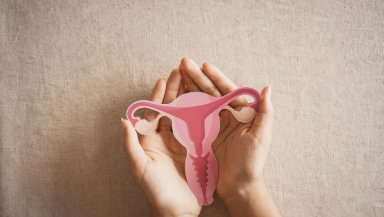
A hysterectomy is a surgical procedure in which the uterus is removed. The uterus is the organ where a baby grows during pregnancy and where monthly periods occur. When the uterus is removed, a woman no longer gets her menstrual cycle and cannot become pregnant.
Many women believe hysterectomy is done only for cancer. This is not true. Most hysterectomies are done for non-cancerous but painful or life-disrupting conditions. The surgery is usually advised only after medicines and simpler procedures have failed or are no longer helpful.
There are different types of hysterectomy depending on what needs to be removed. Sometimes only the uterus is removed. In other cases, the cervix, ovaries, and fallopian tubes may also be removed. The choice depends on the illness and the woman’s age, hormones, and future health needs.
The aim is always the same. To relieve suffering, improve quality of life, and prevent serious complications.
The Most Common Reasons Women Consider Hysterectomy
Women do not wake up one day and decide to remove a healthy organ. A hysterectomy is usually considered after months or years of discomfort. It becomes an option when daily life starts revolving around pain, exhaustion, hospital visits, and fear.
Heavy or Uncontrollable Menstrual Bleeding
One of the most common reasons for hysterectomy is heavy menstrual bleeding. Some women bleed so much that they become anaemic. Others bleed for weeks without stopping. Many cannot attend work, school, or family events because of constant leakage, fatigue, and dizziness.
Medicines often work in the early stages. But when bleeding remains severe or keeps returning, surgery may be advised as a permanent solution.
Large or Painful Fibroids
Fibroids are non-cancerous growths that develop inside or outside the uterus. Some women never feel them. Others feel severe pain, pressure, frequent urination, constipation, or a visibly enlarged abdomen.
When fibroids are very large or fast-growing, hysterectomy may be suggested, especially if the woman is not planning a pregnancy or has completed her family.
Endometriosis That Does Not Improve
Endometriosis happens when tissue similar to the lining of the uterus grows outside it. This causes inflammation, pain during periods, pain during sex, bloating, and chronic pelvic discomfort. In severe cases, the pain is every day.
When medications, hormonal therapy, and minor surgery do not help, hysterectomy may be considered to stop the cycle of pain.
Continuous Pelvic Pain Without Clear Cause
Some women experience ongoing pelvic pain that is unexplained or linked to multiple causes. When pain affects sleep, movement, mental health, and relationships, and no other treatment brings relief, hysterectomy may be an option.
It is never offered casually. It is considered only after tests, scans, and trials of non-surgical care.
Uterine Prolapse
This happens when the uterus slips down into the vagina due to weak muscles and ligaments. It often follows childbirth, menopause, or heavy lifting. Women may feel pressure, discomfort, difficulty urinating, or something “coming out.”
If exercises or devices do not help, hysterectomy may be advised to fix the prolapse and prevent infections or kidney problems.
Cancer or Pre-Cancer
Hysterectomy is essential for cancers of the uterus, cervix, or ovaries. It may also be advised if pre-cancerous changes are severe or returning again and again.
In these cases, surgery is not just for comfort. It saves life.
When Doctors Suggest Hysterectomy as a Last Option
Doctors usually follow a step-by-step approach. They begin with medicine. If that fails, they suggest minor procedures. Hysterectomy is discussed only when simpler treatments no longer control symptoms or when the condition threatens overall health.
A good doctor will always explain alternatives. They will talk about fertility, menopause risks, and emotional effects. They will involve the woman in every decision.
Surgery is never forced. The final choice belongs to the patient, guided by medical facts.
Emotional Reasons Women Seek Relief Through Surgery
It is not just physical pain that leads women to surgery. It is emotional exhaustion. It is missing family moments. It is working through pain. It is waking up tired every day. It is living with fear of bleeding accidents, pain flares, and uncertain futures.
For many women, hysterectomy is not about giving something up. It is about getting their life back.
Once pain stops, many describe better sleep, more energy, stronger relationships, and emotional freedom.
What Happens to the Body After Hysterectomy
After a hysterectomy, periods stop immediately. Pregnancy becomes impossible.
If the ovaries are also removed, the body enters menopause. This may lead to hot flashes, mood swings, and bone thinning if not managed properly. Hormonal therapy may be advised in younger women.
If the ovaries are kept, hormonal balance often continues normally.
Most women recover within weeks. Modern surgery is safer and requires fewer hospital days than in the past.
Is Life Better After a Hysterectomy?
For many women, yes.
Pain reduces. Bleeding stops. Energy returns. Mood improves. Work becomes easier. Family life becomes fuller.
Some women struggle emotionally at first due to the loss of fertility or fear of ageing. Support and counselling help greatly.
Life does not end after hysterectomy. It often begins again.
Myths That Make Women Fear Hysterectomy
Many false beliefs surround this surgery.
- Some believe it steals femininity. It does not.
- Some think recovery takes years. It usually takes weeks.
- Some fear permanent weakness. Most women feel stronger afterward.
- Some believe sex life ends. Many report improvement once pain goes away.
Fear often grows from silence. Knowledge brings calm.
Choosing the Right Time and Doctor
Hysterectomy is not an emergency in most cases. Take time. Ask questions. Seek a second opinion. Discuss fertility wishes. Understand risks.
A good hospital and surgeon make a big difference.
Trust matters.
When Should You Begin Thinking About It?
If you suffer from any of the following for months or years, it is time to talk to a specialist:
- Ongoing pain
- Heavy bleeding
- Frequent anaemia
- Failed treatments
- Daily discomfort
- Fear of worsening disease
Do not wait until life becomes small.
Conclusion
A hysterectomy is not about losing something. It is about releasing yourself from suffering.
It is a medical decision. Not an emotional failure. It is a doorway. Not an ending.
If you or someone you love is struggling with long-term gynaecological problems, consult a qualified gynaecologist for a detailed evaluation. Early guidance can prevent years of discomfort and reduce the need for emergency surgery. Do not ignore your body’s signals. Awareness is the first step toward healing.
References and Sources