Life After Hysterectomy: Quality of Life, Sexual Health and Emotional Well-being

Medicine Made Simple Summary
Life after hysterectomy does not end with physical healing. It enters a new phase where your body, emotions, relationships, and self-image slowly adjust. This article explains what most women experience after surgery, from energy levels and confidence to intimacy and mood changes. It helps you understand why sexual health may shift, how emotions may rise or fall, and what improves quality of life long-term. Written in simple language, this guide shows what is normal, what can be treated, and how you can regain comfort, strength, and confidence after hysterectomy.
Introduction: when surgery ends, real life begins
Many women prepare well for the surgery itself. They know the hospital routine and recovery steps. But very few are prepared for what life feels like afterward. Not the stitches. Not the medicines. Life. How it feels to be in your body. How it feels emotionally. How relationships respond. How intimacy changes. How identity shifts.
Hysterectomy is not only removal of an organ. It is a physical and emotional transition. Some women feel free after years of pain and bleeding. Others feel empty or confused without knowing why. Some rediscover intimacy. Others feel disconnected from it. All of these responses are valid.
This article explains how hysterectomy affects quality of life, sex, emotions, and self-image over time. It is written for women, partners, and family members who want to understand what comes next.
Quality of life after hysterectomy: what most women notice first
Quality of life is about how you feel in your body each day. It includes energy levels, comfort, sleep, confidence, work, and social life.
For many women, quality of life improves after hysterectomy, especially if the surgery relieved chronic pain, bleeding, or pressure. Being free from constant fatigue or fear of heavy periods often brings emotional relief.
Energy does not return instantly. Fatigue may linger for weeks or months because your body has undergone major repair. Over time, stamina improves. Many women find they can walk longer, concentrate better, and sleep more deeply once pain and discomfort reduce.
Appetite may fluctuate initially. Digestion may feel slow after surgery and return gradually. Weight changes may occur due to hormonal shifts or reduced movement. These usually stabilize with time.
Improvement in quality of life is not always immediate, but for many women it becomes noticeable within months.
Body confidence and self-image
A woman’s sense of identity is deeply connected to her body. After hysterectomy, some women feel stronger. Some feel less “whole.” Some feel confused.
A scar, even a small one, can affect how you see yourself. So can changes in body shape or hormonal shifts. Clothes may feel different. Your reflection may feel unfamiliar.
With time, most women rebuild confidence. They stop seeing themselves as “post-surgery” and start seeing themselves as “myself again.”
Self-image improves when pain improves. When confidence grows in daily movement. When you feel safe in your body again.
This is not about how you look. It is about how you feel inside your skin.
Sexual health after hysterectomy: what really changes and what doesn’t
Sex is one of the most misunderstood areas after hysterectomy. Many women fear that intimacy will end. Others worry about pain or loss of desire.
The truth is simple. Sex after hysterectomy changes, but it does not disappear.
In fact, for many women, it gets better.
If pain, bleeding, or pressure existed before surgery, intimacy may become easier after healing. When the fear of pain is gone, relaxation increases. When discomfort reduces, confidence rises.
However, some women experience new challenges. Vaginal dryness may occur, especially if ovaries are removed. Sensation may feel different initially. Emotional readiness may lag behind physical healing.
Mental readiness is key. A woman may be cleared for intimacy physically, but emotionally she may not feel ready. That is normal.
Open communication with your partner matters. Silence creates misunderstanding. Honesty creates safety.
Understanding desire and arousal changes
Sexual desire is influenced by hormones, emotions, body confidence, stress, and relationship quality. Removing ovaries reduces estrogen and testosterone. Testosterone plays a role in desire as well.
Women who undergo surgical menopause may notice reduced libido. Others may feel more interested once pain is gone.
Desire is not fixed. It shifts across life. Hysterectomy is one event among many that affects it.
Treatment for dryness, pain, or low desire exists. Vaginal moisturizers, hormone therapy, pelvic therapy, and counseling can help.
The important message is this. Sexual changes are not failure. They are signals. And signals can be addressed.
Emotional well-being: the invisible healing process
Physical recovery is visible. Emotional healing is not. But it matters just as much.
Some women feel relief and gratitude. Others feel grief and sadness. Some feel both at the same time.
You may feel lighter because pain is gone. You may also feel empty without knowing why.
The uterus is often connected emotionally to womanhood, creativity, fertility, and life stages. Losing it can feel symbolic even when medically necessary.
Mood swings may happen due to hormonal change. Tearfulness may come unexpectedly. Anxiety may rise for no clear reason.
If ovaries are removed, the emotional impact may be stronger because hormone removal affects brain chemistry.
Feeling emotional does not mean something is wrong. It means something changed.
Depression and anxiety after hysterectomy
Sadness is common in the early months. But persistent low mood for weeks, loss of interest, or deep emptiness should not be ignored.
These may be signs of depression. Anxiety can also increase after surgery, especially in women who had traumatic health experiences.
This does not mean you are weak. It means your nervous system has been affected by surgery and hormonal change.
Support helps. Talk to your doctor. Talk to someone you trust. Mental health support is part of recovery, not separate from it.
Hormones and emotions: the deep connection
Hormones do more than control periods. They influence sleep, mood, concentration, and emotional stability.
When ovaries are removed, emotional changes may feel sudden and intense. Irritability, grief, or restlessness may appear.
These are not personality flaws. They are biological responses.
Understanding this reduces self-blame. It also guides treatment.
Hormone therapy may stabilize mood for some women. Counseling supports emotional processing.
Emotional recovery is not about “getting over it.” It is about adapting into a new body.
Relationships after hysterectomy
Relationships change because you change.
Recovery forces slow-down. It demands vulnerability. It asks for support. That changes the dynamic at home.
Some partners grow closer. Some struggle in silence. Some do not know how to talk about intimacy or fear.
Honesty matters more than comfort. Say what you feel instead of hiding it.
Let your partner know when you need comfort, not answers. Let family know when you need patience, not pressure.
Hysterectomy affects more than your body. It affects how others see you and how you see yourself. Communication keeps relationships healthy.
Returning to work and daily roles
Work often marks emotional recovery. It feels like “normal life” returning.
Some women rush back. Others fear returning too early. Listen to your body.
Fatigue may linger. Concentration may fluctuate. Allow time.
Returning does not mean pretending you were not changed. It means integrating change into daily life.
Long-term quality of life: what improves with time
With each passing month, most women notice positive changes.
Pain fades from memory. Confidence grows. Energy stabilizes. Sleep improves.
Body awareness increases. Emotional clarity improves. Life adapts.
Studies show that quality of life for many women improves long-term after hysterectomy, especially when surgery addresses long-standing illness.
The body heals. The mind follows.
What helps women thrive long-term
Healing does not end at discharge.
Movement restores confidence. Walking, stretching, and gentle exercise connect you to your body.
Nutrition repairs tissue. Balanced meals with protein and fresh foods support energy.
Connection stabilizes emotions. Friends, family, and support groups remind you that you are not alone.
Medical follow-ups protect long-term health. Bone checks, hormone discussions, and health screenings matter.
Self-kindness changes everything. You would not rush a friend to heal. Do not rush yourself.
What to do if things do not feel right
If intimacy hurts, do not ignore it.
If sadness lingers, speak.
If fatigue does not improve, check.
If you feel unlike yourself, say so.
Medical care continues after surgery. Treatment does not end at discharge.
Advocating for yourself is part of healing.
Images suggested for blog explanation
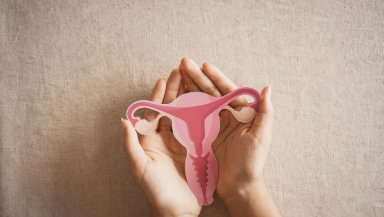
Use an illustration showing the female reproductive system before and after hysterectomy. Add a visual showing hormonal influence on mood and body systems. Include a timeline diagram showing recovery of confidence, energy, and intimacy over months. Add a gentle visual on emotional wellbeing in women. Use a simple graphic explaining vaginal tissue changes with low estrogen.
Conclusion
Hysterectomy is not the end of life as you knew it. It is the beginning of a different version of life. If you are struggling in silence, speak. If intimacy feels confusing, seek help.
If emotions feel heavy, do not carry them alone.Healing after hysterectomy is not about returning to who you were. It is about growing into who you are now.
Talk to your gynecologist. Talk to a counselor. Talk to your partner. You deserve comfort, pleasure, and peace.
References and Sources
Mayo Clinic – Sexual Health After Hysterectomy
NHS UK – Life After Hysterectomy
American College of Obstetricians and Gynecologists – Patient Information