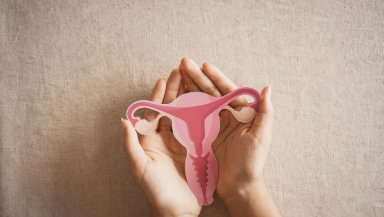
What to Expect During Recovery: Post-Op Experiences After Hysterectomy

Medicine Made Simple Summary
Hysterectomy recovery is not just about stitches healing. It is about your body slowly adjusting to a major internal change. This guide explains what most women feel after surgery, from pain and tiredness to emotional ups and downs, in a clear and simple way. It walks you through the first hours after surgery, the first few days at home, and the gradual return to normal life over weeks. You will learn what is normal, what needs medical attention, and how to support your body for faster, safer healing after hysterectomy.
Introduction: Recovery is a journey, not an event
Most women go into surgery thinking that “recovery” starts and ends with hospital discharge. In reality, hysterectomy recovery takes place in stages. Some changes happen immediately. Some take weeks. Others take months, especially if ovaries were removed. Every woman heals at her own pace, but the pattern of recovery is often similar.
Understanding what to expect reduces fear. It helps you recognize what is normal and what needs medical advice. It also prepares your family to support you better during healing.
The first few hours after surgery: what your body feels like
After surgery, you are moved to a recovery room where nurses closely watch your breathing, blood pressure, and pain level. You may feel sleepy, confused, or cold as anesthesia wears off. Pain may feel like soreness, pressure, or cramping rather than sharp pain.
If your surgery was done through small cuts (laparoscopic or robotic), pain is usually lesser than open surgery. If your abdomen was opened, pain will be stronger and movement will be slower at first.
Gas pain in the shoulders or chest is common after minimally invasive surgery because air is used to inflate the abdomen. This can feel strange but usually clears in a day or two.
Do not hesitate to ask for pain relief. Pain control helps you move sooner, which helps recovery.
The hospital stay: what happens before discharge
Some women go home the same day. Others stay for two to four days depending on the type of surgery. During this time, nurses encourage you to sit up, walk, and breathe deeply. This is done to prevent blood clots and lung problems.
The catheter used to drain urine is usually removed within a day. The first time you pass urine after surgery may sting slightly. Bowel movement may take a couple of days to return because anesthesia slows digestion.
Food is slowly reintroduced, starting with liquids and then soft foods. Feeling bloated is normal.
The doctor will discuss wound care and medicines before discharge.
The first week at home: rest with gentle movement
The body feels tired easily during the first week. Even simple activities like walking can make you feel exhausted. This is normal.
You may feel some pelvic heaviness, backache, and mild bleeding or discharge from the vagina. This is the body cleaning itself.
Pain usually shifts from sharp to dull. Pain killers may still be required. Some women feel emotional, teary, or strange without knowing why. This happens due to physical stress and hormonal shifts.
Sleep patterns may change. Naps during the day are common.
Avoid lifting anything heavy during this period. Avoid bending, squatting, or straining while passing stool.
Constipation is common. Drinking water and eating fibre-rich foods can help.
Weeks two to four: slow improvement
Energy slowly returns during this stage. You may be able to walk longer distances and do light household work.
Pain continues to reduce. But you may still feel pulling sensations around the scar or internally. This happens as tissues heal.
Vaginal discharge reduces. Some women experience mood swings. If ovaries were removed, symptoms of menopause may appear, such as hot flashes, sweating, and irritation.
If you feel sudden worsening pain, increased bleeding, fever, or foul-smelling discharge, seek medical advice.
This is also the time when women question whether healing is “fast enough.” Remember that healing is gradual, not a race.
Weeks four to eight: returning to daily life
Most women can now move around freely. Many return to work during this period depending on the physical demand of their job. Lighter work is easier than heavy physical tasks.
Sexual activity is usually allowed after six to eight weeks. It may feel strange initially. Emotional preparation and open communication with a partner help.
If ovaries were removed, hormonal changes may continue. You may experience dryness, low desire, or mood variation. Speak to your doctor about treatment options.
Scar tightness or numbness may still be present but slowly improves.
Emotional recovery: the part nobody warns you about
Many women assume that once pain stops, recovery is complete. Emotional healing often comes later.
Some women feel relief and freedom from pain. Others experience sadness or grief even when surgery helped them. Losing a body part connected to identity can affect emotions.
If you feel low for weeks, disconnected, or irritable, share it with your doctor. You may only need reassurance. Sometimes hormonal treatment or counseling helps.
Recovery includes emotional stability too.
When to worry: signs that need medical attention
Contact your doctor if you notice any of the following: severe pain that does not improve, heavy bleeding that soaks pads rapidly, fever above normal, redness or discharge from the wound, painful urination, breathlessness, leg pain or swelling.
These signs do not always mean something serious, but they should never be ignored.
Supporting your body naturally during recovery
Your body heals faster when supported.
Eat simple, nourishing meals. Focus on protein, fruits, and vegetables.
Drink water. Dehydration slows healing.
Move gently. Walking prevents stiffness and clots.
Sleep as much as you need. Healing happens during rest.
Avoid smoking and alcohol as they delay recovery.
Avoid comparing your healing with others. Every recovery is personal.
Conclusion
Your recovery is your responsibility, but you are not alone. Listen to your body. Speak when something feels wrong. Rest without guilt. Healing after hysterectomy is not about being strong. It is about being aware.
If you feel uncertain about your recovery or notice changes you do not understand, do not wait. Reach out to a gynecologist for review. Early reassurance brings peace. Early treatment prevents complications.
Your body has gone through a big change. Respect it.
References and Sources
Mayo Clinic – Hysterectomy Recovery
NHS UK – Recovering from a Hysterectomy