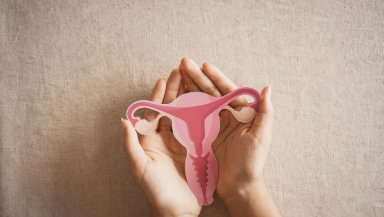
UFE vs Myomectomy: Pros & Cons — Which Treatment Is Right for Fibroids?

Medicine Made Simple Summary
Women with fibroids usually reach a point where treatment becomes necessary. Two common options are Uterine Fibroid Embolization (UFE), a non-surgical procedure that shrinks fibroids by cutting off their blood supply, and Myomectomy, a surgery that removes fibroids directly while preserving the uterus. Both can relieve symptoms, but they work very differently and suit different women. This guide explains how each treatment works, who benefits most, recovery time, effects on fertility, and long-term outcomes. Understanding the pros and cons helps women choose a treatment that fits their health, lifestyle, and future plans.
Why comparing UFE and Myomectomy matters
For many women, fibroids slowly take over daily life. Periods become painful and heavy. Clothes stop fitting. Energy drops. Confidence fades. When treatments like medication stop working, the next conversation often becomes serious. Surgery is mentioned. Fear rises. Then another word appears—embolization. Confusion follows.
Women deserve more than medical words. They deserve understanding. UFE and Myomectomy are not competing trends. They are two honest tools meant for different situations. Choosing between them is not about picking the “latest” method. It is about choosing the right one for your body, your plans, and your comfort.
Understanding fibroids in simple terms
Fibroids are non-cancerous growths that form in the uterus. They vary in size, number, and location. Some grow inside the uterine cavity. Others sit within the uterine wall or on the outer surface. Fibroids thrive on hormones and blood supply. When they grow, they press on organs, disrupt periods, and drain energy through blood loss.
For a while, they may stay quiet. Eventually, many make life uncomfortable. When symptoms interfere with normal living, treatment is not luxury. It is relief.
What exactly is Myomectomy?
Myomectomy is a surgical operation in which fibroids are physically removed from the uterus. The uterus itself is preserved. The goal is to remove fibroids without affecting overall uterine structure.
The surgeon locates fibroids and cuts them out carefully. Depending on size and location, myomectomy can be performed through open surgery or minimally invasive routes such as laparoscopy.
After surgery, the uterus heals and reshapes itself. Periods often improve. Pressure fades. Fertility may improve when fibroids previously distorted the uterine cavity.
What exactly is UFE?
Uterine Fibroid Embolization works without removing anything. Instead, it blocks the blood supply feeding fibroids.
A specialist inserts a thin tube into a blood vessel and guides it to the uterine arteries. Tiny particles are released to stop blood flow only to fibroids. Healthy uterine tissue survives through alternative circulation.
Without blood, fibroids shrink gradually. Symptoms ease as fibroids weaken.
UFE treats fibroids biologically rather than surgically.
How each treatment relieves symptoms
Myomectomy removes the problem directly. Once fibroids are gone, pressure and bleeding often improve faster.
UFE treats indirectly. Fibroids shrink over months. Symptom relief is gradual. Pain reduces faster than size.
Both aim for comfort. They just take different roads to reach it.
Recovery after Myomectomy
Healing after surgery takes time. The body rebuilds tissue. Pain management is necessary.
Myomectomy Recovery usually involves:
- Hospital stay of several days
- Several weeks away from work
- Restrictions on lifting and activity
- Careful monitoring of surgical scars
- Fatigue while healing occurs internally
Emotional recovery also matters. Surgery changes the body. Even when healing goes well, women may feel vulnerable for weeks.
Full recovery may take up to six to eight weeks depending on surgical approach.
Recovery after UFE
Recovery after UFE is faster but not effortless. Pain is strongest in the first two days and improves steadily.
Women usually experience:
- Cramping similar to intense periods
- Fatigue for one to two weeks
- A short hospital stay
- Return to normal activity within one to two weeks
Healing inside takes longer. Fibroids shrink quietly over months. But daily life resumes far sooner than after surgery.
Which option allows quicker return to daily life?
UFE wins in speed of recovery. Most women resume desk work within a week. Physical work may take longer.
Myomectomy requires patience. Recovery is longer and more physically demanding.
Women with work responsibilities or caregiving duties often choose UFE for this reason.
Comparing pain experiences
Pain exists in both treatments, but it feels different.
After myomectomy, pain is wound-related and group-specific. Incisions and muscle healing cause soreness.
After UFE, pain is cramp-related and temporary. It eases within days.
Many women describe UFE pain as intense but short-lived. Surgical pain is often longer-lasting but steadier.
Impact on fertility and pregnancy
This is where the difference becomes important.
Myomectomy is considered a fertility-preserving surgery. Removing fibroids may improve pregnancy chances when fibroids blocked implantation.
UFE may preserve fertility, but it is not designed to enhance it. Some women conceive after UFE. Others may not.
Myomectomy is preferred when:
- Pregnancy is a near-term goal
- Fibroids block the uterine cavity
- Fertility improvement is the primary aim
UFE is often chosen when:
- Pregnancy is not a priority
- Symptoms are the main concern
- Surgery is not safe or desired
Fertility decisions should be guided by both gynecologists and fertility specialists.
Risk of fibroid recurrence
Fibroids can return.
After myomectomy, new fibroids may grow because surgery removes existing ones but does not change the environment that allowed growth.
After UFE, fibroids shrink but do not disappear. New ones may develop, but blood supply reduction reduces regrowth risk.
Neither guarantees permanent freedom from fibroids. However, symptom relief often lasts years.
When myomectomy is strongly advised
Surgery becomes important when:
- Fibroids grow rapidly
- Cancer needs to be ruled out
- Uterine structure is severely distorted
- Fertility is urgently desired
- UFE is not advised due to anatomy
Myomectomy is not outdated. It remains valuable when used correctly.
When UFE becomes the better choice
UFE is preferred when:
- Surgery carries serious risk
- The uterus should remain intact
- Rapid return to normal life is needed
- Multiple fibroids exist
- Emotional preference leans toward non-surgical care
UFE solves discomfort without removing anatomy.
Emotional aspects women rarely discuss
Surgery changes identity for some women. A body feels different after major operation.
UFE may feel emotionally lighter because nothing is removed. Women often say they feel treated rather than altered.
Emotional comfort matters just as much as medical outcome.
Making the right choice
There is no universal best option. There is only the best fit.
Ask:
- What matters more—fertility or comfort?
- How much recovery time is realistic?
- How many fibroids exist?
- Are there medical conditions affecting surgery?
- What does my long-term future look like?
Treatment should match life, not just diagnosis.
Conclusion
Do not decide alone. Consult doctors who explain both options honestly. Ask questions. Seek clarity. Choose what fits your future, not just your symptoms.
References and Sources