UFE or Hysterectomy: Why More Women Are Choosing Minimally Invasive Fibroid Treatment

Medicine Made Simple Summary
Women with fibroids are no longer limited to major surgery as their only treatment choice. Uterine Fibroid Embolization, known as UFE, offers a way to shrink fibroids without removing the uterus. A hysterectomy removes the whole uterus and permanently ends periods and pregnancy. Both options can relieve symptoms, but they affect the body very differently. This guide explains how each treatment works, what recovery feels like, who usually benefits, and why many women today prefer less invasive solutions. Understanding the difference helps women and families choose treatment with confidence instead of fear.
Why women are questioning surgery today
For decades, hysterectomy was considered the final solution for fibroids. When symptoms became severe, doctors often recommended removing the uterus entirely. Today, women are asking better questions. They want to understand what is happening inside their bodies before making such a permanent decision. Social media and patient communities have given women access to real stories, both positive and negative. As a result, more women are aware of alternatives that treat fibroids without removing organs. Medical technology has also evolved. Imaging is better. Procedures are safer. Recovery is shorter. With this progress, women no longer feel forced into one choice. They want clinicians to offer solutions that fix the problem while preserving the body whenever possible.
What is a hysterectomy and what does it really mean
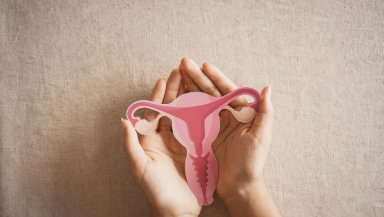
A hysterectomy is a surgical operation in which the uterus is removed. In some cases, doctors also remove the ovaries and fallopian tubes. The type of hysterectomy depends on the condition being treated. For fibroids, the uterus is usually removed but ovaries may be left intact.
Once the uterus is removed, a woman:
- Will never have periods again
- Will not be able to become pregnant
- Will permanently lose the uterus
- May experience emotional or hormonal changes
- Will need weeks to months for full recovery
A hysterectomy completely eliminates fibroids and the chance of them returning. For many women, this brings relief. But it also comes with permanence. Some women feel a deep emotional impact after losing a reproductive organ. Recovery includes pain management, physical limitation and time away from regular life. It is effective, but it is major surgery.
What is UFE and how it offers a different path
Uterine Fibroid Embolization works in a completely different way. Instead of removing anything, it stops fibroids from growing by cutting off their blood supply. The uterus remains intact while the fibroids slowly shrink.
UFE is performed through a tiny tube placed in a blood vessel, usually in the leg or wrist. Using imaging, the doctor guides this tube into the arteries that feed the fibroids. Tiny particles are then released to block blood flow only to the fibroids. Over time, they shrink and lose their effect.
Unlike surgery:
- There are no large cuts
- Hospital stay is usually one night
- The uterus is preserved
- Return to daily activity is quick
- Cosmetic scars are minimal or absent
The goal is symptom relief, not organ removal.
Comparing recovery: surgery versus embolization
Recovery is one of the biggest differences between these treatments.
- Pain may last several weeks
- Normal activity takes time to resume
- Work absence can be long
- Lifting and movement is restricted
- Emotional adjustment may be needed
After UFE:
- Pain is usually similar to strong cramps for a few days
- Most women resume light activity in a week
- Hospital discharge is early
- Healing feels gradual and natural
- Emotional recovery is often easier
This difference in healing time is why many working women and caregivers look for alternatives.
Emotional impact: a factor often ignored
The physical body is not the only one affected by treatment. Removing the uterus can change how a woman feels about herself. Some experience grief. Others feel relieved. There is no right emotion. It varies from person to person. UFE, by preserving the uterus, avoids this emotional upheaval for many women. Patients often say they feel treated rather than altered. When medicine respects identity as well as anatomy, recovery feels safer and more complete.
Which women are better suited for which option
Hysterectomy is often advised when fibroids are extremely large, suspected to be cancerous, or have caused major damage to surrounding organs. It is also recommended when other treatments have failed.
UFE is generally suitable when:
- Symptoms are severe but manageable
- The woman wants to avoid major surgery
- Preserving the uterus matters emotionally
- Recovery time needs to be short
- Medical fitness for surgery is a concern
Every woman is different. No treatment is perfect for everyone.
Fertility and future health
After hysterectomy, pregnancy is not possible. This factor alone makes many women pause before consenting. UFE does not automatically end fertility, but it is not considered a fertility treatment either. Some women conceive successfully after UFE, while others may need fertility assistance. Doctors discuss this carefully based on age, fibroid location and overall reproductive health.
Hormonal effects depend on whether ovaries are removed during hysterectomy. If they are, menopause may occur early. UFE generally preserves ovarian function.
Why minimally invasive treatments are gaining attention
Modern medicine aims for maximum benefit with minimum damage. UFE fits that philosophy. It treats the disease without removing healthy organs. It requires fewer hospital resources and reduces patient downtime. Women want outcomes without trauma. They want options that give relief without loss.
Conclusion
Hysterectomy is not wrong. UFE is not magic. Both have value when used properly. What matters is choice. A woman should not feel pushed into removing an organ without understanding all alternatives. Knowledge brings confidence. Confidence brings better healing.
If fibroids are affecting your life, do not assume surgery is your only option. Consult a specialist who offers a full range of treatments, including UFE. The right guidance can help you choose a path that fits your body and your future.
References and Sources