Ovulation Tracking: Does It Really Help You Get Pregnant Faster?
Medicine Made Simple Summary
Ovulation tracking helps identify the days when pregnancy is most likely to happen. Since an egg survives for only about 12 to 24 hours after release, timing matters a lot when trying to conceive. Many couples miss their fertile window simply because they do not know when ovulation happens. Tracking ovulation through cycle calendars, ovulation kits, body signs, or ultrasound can improve pregnancy chances by helping couples time intercourse correctly. It does not guarantee pregnancy, but it can reduce delays and provide better understanding of the menstrual cycle and fertility.
What Is Ovulation?
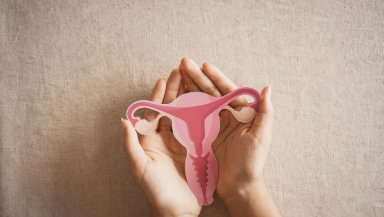
Ovulation is the process where one of the ovaries releases a mature egg.
This usually happens once during each menstrual cycle. After the egg is released, it travels into the fallopian tube, where it can meet sperm and become fertilized.
If fertilization does not happen, the egg breaks down and the menstrual cycle continues.
Ovulation is one of the most important steps for pregnancy.
Without ovulation, natural conception cannot happen.
This is why understanding ovulation is so important for couples trying to conceive.
Why Timing Matters for Pregnancy
Many couples believe pregnancy can happen equally on any day of the month, but that is not true.
There is only a short period in each cycle when pregnancy is most likely. This is called the fertile window.
The egg survives for only about:
- 12 to 24 hours after ovulation
Sperm can survive inside the female body for about:
- 3 to 5 days, sometimes slightly longer
This means pregnancy is most likely if intercourse happens in the few days before ovulation and on the day of ovulation itself.
Missing this timing is one of the most common reasons couples take longer to conceive.
What Is the Fertile Window?
The fertile window usually includes:
- The 5 days before ovulation
- The day of ovulation
For women with a regular 28-day cycle, ovulation often happens around day 14.
But not every woman has a 28-day cycle, and ovulation does not always happen exactly in the middle.
For example:
- A 30-day cycle may ovulate around day 16
- A 35-day cycle may ovulate later
- Irregular cycles make prediction more difficult
Irregular periods and fertility are closely connected because unpredictable cycles make the fertile window harder to identify, which is why additional tracking support is often needed.
This is why simple calendar counting may not always be enough.
Does Ovulation Tracking Really Help?
Yes, for many couples it does.
Ovulation tracking helps identify the fertile window more accurately so intercourse can happen at the right time.
This can help by:
- Improving natural pregnancy chances
- Reducing unnecessary waiting
- Avoiding wrong timing
- Helping identify irregular ovulation
- Providing useful information for fertility evaluation
However, it is important to understand that ovulation tracking does not create pregnancy by itself.
It improves timing, but other fertility factors like sperm health, tube health, age, and egg quality also matter.
Common Signs That Ovulation May Be Happening
The body sometimes gives natural signs around ovulation.
These signs may help identify fertile days.
Common ovulation signs include:
- Clear, stretchy cervical mucus similar to egg white
- Mild lower abdominal pain on one side
- Increased sexual desire
- Breast tenderness
- Slight bloating
- Mild spotting in some women
Not every woman notices these signs clearly.
Some women ovulate without obvious symptoms, which is why additional tracking methods may help.
Method 1: Calendar Tracking
This is the simplest method.
You track your menstrual cycle each month and estimate ovulation based on cycle length.
For example:
- If your cycle is 28 days, ovulation may happen around day 14
- If your cycle is 30 days, ovulation may happen around day 16
This method works better for women with regular periods.
It is less accurate if cycles are irregular.
Calendar tracking is useful as a starting point but should not be the only method for women struggling to conceive.
Method 2: Ovulation Predictor Kits (OPKs)
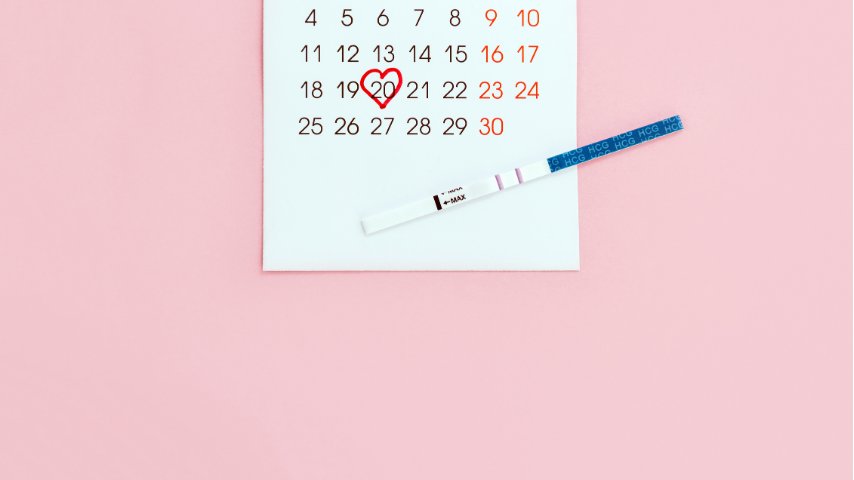
Ovulation predictor kits are commonly used home urine tests.
They detect the LH surge, which happens before ovulation.
A positive test usually means ovulation is likely to happen within the next 24 to 36 hours.
This helps couples plan intercourse during the most fertile days.
Benefits include:
- Easy home use
- More accurate than calendar guessing
- Helpful for regular and mildly irregular cycles
However, women managing pcos and pregnancy may sometimes get confusing results from ovulation predictor kits because hormonal patterns in PCOS can be irregular and unpredictable.
Method 3: Basal Body Temperature (BBT)
Basal body temperature means checking your body temperature every morning before getting out of bed.
After ovulation, body temperature rises slightly because of hormone changes.
This method helps confirm ovulation after it has already happened.
It is useful for cycle understanding but less helpful for timing intercourse because the temperature rise happens after ovulation.
It also requires daily consistency and can be affected by poor sleep, illness, or stress.
Method 4: Cervical Mucus Observation
Hormonal changes affect vaginal discharge around ovulation.
Near ovulation, cervical mucus becomes:
- Clear
- Slippery
- Stretchy
- Similar to raw egg white
This helps sperm move more easily.
Tracking these changes can help identify fertile days naturally.
Some women find this method helpful, while others find it difficult to interpret accurately.
Method 5: Follicular Ultrasound Monitoring
This is the most accurate ovulation tracking method and is done under medical supervision.
The doctor uses ultrasound scans to watch the growth of the egg inside the ovary.
This helps identify:
- Whether ovulation is happening
- The likely day of ovulation
- Response to fertility medicines if used
This method is especially helpful for:
- Women with irregular periods
- PCOS patients
- Couples trying for a long time
- Fertility treatment planning
It gives much clearer answers than home tracking methods.
Can You Ovulate and Still Not Get Pregnant?
Yes.
Ovulation is necessary for pregnancy, but it is only one part of the process.
Even if ovulation happens regularly, pregnancy may still be delayed because of:
- Blocked fallopian tubes
- Endometriosis
- Fibroids
- Male factor infertility
- Poor sperm quality
- Reduced egg quality
- Thyroid problems
- Age-related fertility decline
This is why ovulation tracking is helpful, but it is not the full fertility picture.
Does Ovulation Tracking Cause Stress?
Sometimes yes.
Some couples become so focused on “perfect timing” that trying for pregnancy becomes stressful and emotionally exhausting.
This may lead to:
- Performance pressure
- Relationship stress
- Anxiety every month
- Disappointment after negative pregnancy tests
Ovulation tracking should be used as a helpful guide, not as a source of constant stress.
Balance is important.
Fertility care should support emotional health too.
When Should You Seek Fertility Help?
Ovulation tracking is useful, but if pregnancy is still not happening, medical evaluation becomes important.
Couples who are not getting pregnant despite tracking ovulation correctly should consider fertility evaluation, as other factors beyond timing may be involved.
You should consider fertility consultation if:
- You have been trying for 12 months and are below 35
- You have been trying for 6 months and are above 35
- You have irregular or missing periods
- You have painful periods
- You have repeated miscarriages
- You have known PCOS or endometriosis
- There are male fertility concerns
- You are above 40 and planning pregnancy
Early diagnosis often means simpler treatment and better results.
Does Ovulation Tracking Mean IVF Is Needed Later?
No.
Tracking ovulation is often the first simple step before any advanced treatment.
Many couples conceive naturally just by improving timing.
Others may only need:
- Ovulation medicines
- PCOS management
- Thyroid treatment
- Lifestyle improvement
- IUI in selected cases
IVF is only one option and is not the starting point for everyone.
Addressing fertility problems early with the right medical guidance often prevents the need for more advanced treatments later.
Early guidance often prevents unnecessary delays.
Conclusion
If you are trying to conceive and feel unsure about your fertile days, ovulation tracking can be a simple and powerful first step.
Understanding your cycle helps improve timing, reduces confusion, and supports better pregnancy planning.
But if pregnancy is still delayed, do not keep guessing.
A fertility consultation can provide clear answers and help you choose the right next step.
Speak to a fertility specialist and move forward with confidence and clarity.
References and Sources
World Health Organization – Infertility
American College of Obstetricians and Gynecologists – Ovulation and Fertility
American Society for Reproductive Medicine
Mayo Clinic – Ovulation Calendar
Centers for Disease Control and Prevention – Reproductive Health