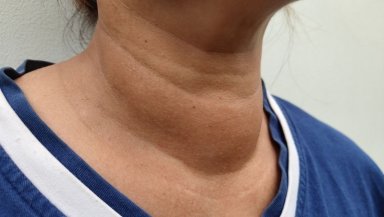
Is Your Bloating Actually Fibroids? How to Tell the Difference from Weight Gain
Medicine Made Simple
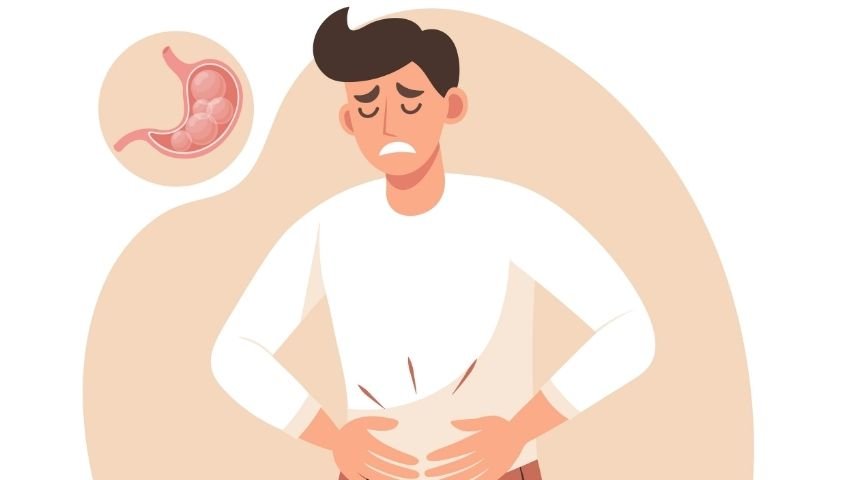
Many women feel bloated and assume it is due to weight gain, digestion, or lifestyle habits. However, persistent bloating can sometimes be caused by uterine fibroids. These non-cancerous growths can create pressure inside the abdomen, making the stomach appear enlarged even without weight gain. The difference is not always obvious, which leads to confusion and delayed diagnosis. This article explains how fibroid-related bloating feels, how it differs from regular weight gain, what signs to watch for, and when to seek medical advice.
Understanding bloating in simple terms
Bloating is a feeling of fullness or swelling in the abdomen. It is something most people experience from time to time, especially after eating a heavy meal or during certain phases of the menstrual cycle. In many cases, bloating is temporary and goes away within hours or days.
However, not all bloating is related to food or digestion. Sometimes, the abdomen looks enlarged for reasons that are not connected to what you eat. This is where confusion begins. Many women try dieting, exercise, or home remedies, but the bloating does not go away.
This is often the point where fibroids may be involved, along with other uterine fibroids symptoms.
What fibroid-related bloating actually feels like
Fibroid bloating is different from digestive bloating. It is not just a feeling of fullness after meals. Instead, it is more constant and does not fluctuate much during the day.
Women often describe it as a heavy or firm feeling in the lower abdomen. The stomach may look enlarged even in the morning before eating anything. Clothes may start to feel tighter around the waist, even though overall body weight has not changed significantly.
This type of bloating is caused by the physical presence of fibroids. As they grow, they push against the abdominal wall and surrounding organs. This creates a visible and persistent swelling.
Some women even feel like they are carrying a small weight inside their abdomen. This sensation does not improve with digestion or passing gas, which is a key difference from typical bloating and is often linked with fibroid warning signs.
How weight gain usually presents
Weight gain happens gradually and affects the entire body, not just the abdomen. When you gain weight, you may notice changes in your arms, thighs, face, and overall body shape.
Unlike fibroid bloating, weight gain is usually soft and evenly distributed. The abdomen may increase in size, but it does not feel firm or heavy in the same way.
Another important difference is that weight gain responds to lifestyle changes. With consistent diet and exercise, you can usually see gradual improvement. Fibroid-related bloating, on the other hand, does not reduce easily with these efforts.
This difference often becomes clear when someone is actively trying to lose weight but notices that the abdominal size does not change.
Why fibroids cause abdominal swelling
Fibroids grow within or around the uterus. As they increase in size, they take up space inside the pelvic area and sometimes extend into the abdominal region.
Large fibroids can push the uterus outward, making the lower belly appear swollen. Multiple fibroids can create a similar effect even if each one is not very large.
The pressure from fibroids can also affect nearby organs like the bladder and intestines. This can lead to additional symptoms such as frequent urination, constipation, or a feeling of fullness that does not go away.
This combination of physical growth and internal pressure is what creates the persistent bloating seen in fibroid cases.
Key differences between fibroid bloating and weight gain
One of the most important differences is consistency. Fibroid bloating tends to remain stable throughout the day, while digestive bloating may come and go depending on meals.
The texture is also different. Fibroid-related swelling often feels firm, while weight gain feels softer.
Another difference is response to lifestyle changes. Weight gain can improve with diet and exercise, but fibroid bloating usually does not change significantly.
The location of the swelling also matters. Fibroid bloating is often concentrated in the lower abdomen, whereas weight gain affects multiple areas of the body.
Understanding these differences is central when comparing fibroids vs UFE as part of diagnostic and treatment thinking.
Other symptoms that point toward fibroids
Bloating alone is not enough to confirm fibroids. However, when combined with other symptoms, it becomes more significant.
Heavy or prolonged periods are one of the most common signs. Some women experience bleeding that lasts longer than usual or is heavier than before.
Pelvic pain or a constant feeling of pressure is another common symptom. This discomfort may increase during certain activities or during menstruation.
Frequent urination can occur when fibroids press against the bladder. Constipation may develop if fibroids press against the bowel.
Fatigue is also common, especially if heavy bleeding leads to low iron levels.
When bloating appears along with these symptoms, fibroids become a strong possibility.
Why many women confuse fibroids with weight gain
The confusion happens because both conditions affect the appearance of the abdomen. Many women assume that any increase in belly size is related to lifestyle or diet.
Social expectations also play a role. There is often pressure to attribute body changes to weight gain rather than considering a medical cause. This leads to delayed diagnosis and unnecessary frustration.
Another reason is that fibroids grow slowly. The change in abdominal size happens gradually, making it less noticeable at first. By the time it becomes obvious, it may be mistaken for long-term weight gain.
When should you consider seeing a doctor
If bloating is persistent and does not improve with time, it is important to pay attention. If the abdomen feels firm or continues to grow despite weight control efforts, it should not be ignored.
The presence of additional symptoms such as heavy periods, pelvic pain, or frequent urination makes medical evaluation even more important.
A simple ultrasound scan can help identify fibroids quickly. This test is non-invasive and provides clear information about the uterus.
Early diagnosis can prevent complications and help you explore treatment options before symptoms become severe.
Emotional impact of unexplained bloating
Living with constant bloating can affect more than just physical comfort. It can impact confidence, body image, and daily activities.
Many women feel frustrated when they cannot understand why their body is changing. They may try different diets or exercise routines without success, which can lead to disappointment.
Understanding the real cause can bring relief. It shifts the focus from self-blame to proper medical care and informed decision-making.
Managing fibroid-related bloating
Once fibroids are identified, management depends on the severity of symptoms and individual health goals. Some women may only need monitoring, while others may require treatment.
Treatment options can reduce fibroid size and relieve pressure, which in turn reduces bloating. The goal is not just to improve appearance but to restore comfort and normal function.
Regular follow-ups and awareness of symptoms play a key role in long-term management.
Conclusion
Not all bloating is caused by food or weight gain. Persistent abdominal swelling, especially when combined with other symptoms, may be a sign of fibroids. Recognizing the difference is the first step toward proper care. If your bloating feels unusual, constant, or unexplained, consult a doctor for evaluation. A simple check can provide clarity and help you take control of your health before the condition progresses.