How to Decide: Is Hysterectomy Right for You? A Simple Guide for Women and Families

Medicine Made Simple Summary
A hysterectomy is more than just a surgery. It is a decision that affects your body, emotions, and daily life in the long run. Many women agree to it without fully understanding what it means for their future health. This guide explains why hysterectomy is recommended, what changes to expect, what alternatives may exist, and how women often feel after surgery. It helps you understand when hysterectomy is truly necessary and when you may have time to consider other treatments. Written in simple language, this article supports confident and informed decision-making.
Understanding What a Hysterectomy Really Means
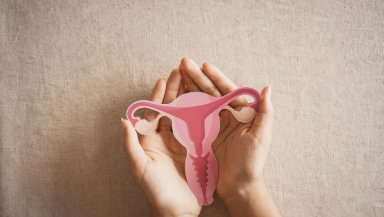
A hysterectomy is a surgery to remove the uterus, also known as the womb. Once the uterus is removed, menstrual periods will stop permanently and pregnancy will no longer be possible. In some cases, doctors may also remove the ovaries and fallopian tubes, depending on your condition and medical history.
When ovaries are removed, the body suddenly stops producing important hormones such as estrogen and progesterone. This causes immediate menopause, regardless of your age. Even when ovaries are not removed, some women experience hormonal changes because blood supply to the ovaries may reduce after surgery.
A hysterectomy does not only change your body physically. It may also affect how you feel emotionally, how your body functions over time, and how you relate to yourself and others. This is why understanding this surgery fully is essential before making a decision.
Why Doctors Recommend a Hysterectomy
Doctors advise hysterectomy for different medical reasons, and each reason has a different level of urgency.
In conditions like cancer of the uterus, cervix, or ovaries, hysterectomy may be life-saving and must often be done without delay. In these cases, the surgery is necessary to remove disease and prevent it from spreading.
In other conditions such as fibroids, uterine prolapse, adenomyosis, and long-standing heavy bleeding, hysterectomy is suggested mainly to improve quality of life. These conditions may not threaten life, but they can cause chronic pain, tiredness, emotional distress, and difficulty carrying out daily activities.
Understanding whether your case is urgent or optional helps you decide how quickly you need to act and whether you have time to seek another opinion.
When Hysterectomy Feels Like the Right Choice
For many women, hysterectomy brings long-lasting relief from years of discomfort. Constant bleeding, pelvic pain, pressure, and weakness can silently drain a woman’s energy and happiness over time. When these symptoms finally end after surgery, many women describe the feeling as getting their life back.
Daily routines become easier. Fatigue reduces. Emotional stress linked to unpredictable symptoms disappears. Women who once avoided social events or travel because of health issues often regain confidence and freedom after recovery.
In such cases, hysterectomy is not seen as a loss. It is seen as healing.
When You Should Think Carefully Before Surgery
Not every uterine problem requires removal of the uterus. Modern medicine offers several treatments that may control symptoms without removing reproductive organs.
Some women may be treated with medications, hormonal therapies, or less-invasive procedures. Others may benefit from surgeries that remove only the diseased part of the uterus while leaving healthy tissue intact.
If your condition is not life-threatening, you have the right to explore all available options. A hysterectomy should not be the first answer unless other treatments have failed or are unsuitable for you.
If alternatives were not discussed or explained clearly, it is reasonable to ask more questions or seek a second opinion.
Benefits of a Hysterectomy
Hysterectomy can offer permanent relief from problems that have affected a woman for years. Some of the most common benefits include ending heavy menstrual bleeding, reducing or stopping chronic pelvic pain, removing the chance of uterine cancer, improving energy levels, restoring normal sleep, and allowing women to live without constant worry about sudden symptoms.
When chosen for the right reasons, this surgery can greatly improve quality of life.
Possible Challenges After Hysterectomy
While many women recover well, hysterectomy can also bring challenges.
If the ovaries are removed, hormonal changes may affect sleep, mood, sexual comfort, and bone health. Some women experience hot flashes, anxiety, or emotional sensitivity.
Even women who were confident in their decision may experience unexpected emotions such as sadness, emptiness, or loss. These feelings are normal and do not mean the surgery was a mistake.
Physical recovery also takes time. It may take weeks or months for the body to feel truly normal again.
What Women Commonly Say After Surgery
Many women describe hysterectomy as life-changing, but they also say they wish they had known more beforehand.
Some expected quick recovery but found healing slower than expected.
Some were surprised by how emotional the experience felt.
Many felt grateful for relief but unprepared for the emotional adjustment.
Hearing these stories reminds us that information changes experience, even when outcomes are positive.
Separating Fear From Fact
Fear grows when knowledge is missing. Many women fear losing their identity, attractiveness, or femininity after hysterectomy. This is not true.
Your worth does not depend on one organ.
Your body still belongs to you.
Your ability to love, enjoy life, and feel confident remains.
Understanding the facts helps reduce fear and builds confidence in whatever choice you make.
The Emotional Side That Deserves Attention
Hysterectomy affects not just the body, but the heart.
Some women feel relieved.
Some feel sad.
Some feel both.
Emotional healing takes time. You may grieve something you never planned to lose, and that is normal.
If sadness lasts long or affects daily life, talking to a counselor or doctor can help. Emotional care is part of medical care.
How to Decide With Confidence
A confident decision is an informed one. Understand your diagnosis fully.
Ask how serious it is.
Ask what happens if you wait.
Ask about alternatives.
Ask what organs will be removed.
Ask about hormone changes.
Ask about recovery.
Ask how your life may change.
Good doctors welcome questions. In fact, they expect them.
Signs You Should Pause Before Agreeing
If you were advised surgery on the first visit without tests or imaging, take time.
If alternatives were not explained, ask.
If you felt rushed or pressured, slow down.
If your doubts were dismissed, seek another opinion.
Medical decisions should be made through education, not fear.
When Hysterectomy Becomes the Best Option
Hysterectomy is clearly the right choice when cancer is present, when bleeding puts life at risk, when pain becomes disabling, or when all treatments have failed.
It is also right when a woman chooses it with full understanding.
Life Does Continue After Hysterectomy
Life does not stop after surgery.
Women return to work.
Women rebuild confidence.
Women enjoy relationships.
Women find balance again.
The body heals.
The mind adapts.
Life continues.
Conclusion
If hysterectomy has been recommended to you, pause before deciding.
Ask questions. Seek clarity. Get a second opinion if needed. Talk openly with your doctor.
References and Sources
American College of Obstetricians and Gynecologists – Patient Education
Mayo Clinic – Hysterectomy Overview
NHS UK – Hysterectomy Information