Fibroids and Fertility: When Do You Need Surgery?
Medicine Made Simple Summary
Fibroids are common non-cancerous growths in or around the uterus. Many women have fibroids and still get pregnant naturally, but some fibroids can affect fertility depending on their size and location. They may interfere with implantation, block fallopian tubes, or increase miscarriage risk. Not every fibroid needs surgery, and treatment depends on symptoms, pregnancy plans, and fertility history. Surgery called myomectomy may help in selected cases. Understanding when fibroids matter for fertility helps women avoid unnecessary fear while getting the right treatment at the right time.
What Are Fibroids?
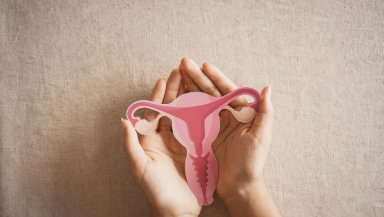
Fibroids are non-cancerous growths made of muscle and fibrous tissue that develop in or around the uterus.
They are also called uterine fibroids or leiomyomas.
Fibroids are very common, especially during the reproductive years. Many women may have fibroids without even knowing it because small fibroids often cause no symptoms.
Fibroids can vary greatly in size. Some are as small as a seed, while others can grow large enough to change the shape of the uterus.
They can develop in different parts of the uterus, and this location plays a major role in fertility.
Fibroids may be found:
- Inside the wall of the uterus
- On the outer surface of the uterus
- Inside the uterine cavity
- Attached to the uterus by a thin stalk
Not all fibroids affect pregnancy, which is why proper evaluation is important before deciding on treatment.
Common Symptoms of Fibroids
Some women with fibroids have no symptoms at all. Others may experience symptoms that affect daily life and fertility.
Common symptoms include:
- Heavy menstrual bleeding
- Long-lasting periods
- Painful periods
- Pelvic pressure or heaviness
- Frequent urination
- Constipation
- Lower back pain
- Pain during intercourse
- Difficulty getting pregnant
- Repeated miscarriages in some cases
Symptoms depend on the size, number, and location of the fibroids.
A woman with a small fibroid inside the uterine cavity may have more fertility problems than someone with a larger fibroid on the outer wall. Irregular periods and fertility are also closely connected in women with fibroids, as hormonal disturbance caused by fibroids can disrupt normal menstrual cycles and ovulation.
How Fibroids Affect Fertility
Many women with fibroids conceive naturally without any problem. However, certain fibroids can reduce pregnancy chances.
The main issue is not just size, but where the fibroid is located.
Fibroids may affect fertility by:
- Changing the shape of the uterus
- Making implantation difficult
- Blocking fallopian tubes
- Disturbing blood flow to the uterine lining
- Increasing inflammation inside the uterus
- Increasing miscarriage risk in some cases
This is why doctors focus heavily on location during fertility planning.
Which Fibroids Affect Pregnancy the Most?
Not all fibroids need treatment for fertility.
Some types are more likely to interfere with conception.
Submucosal Fibroids
These grow inside the uterine cavity and are the most important when discussing fertility.
They can:
- Distort the cavity where pregnancy implants
- Reduce implantation success
- Increase miscarriage risk
- Affect embryo growth
Even small submucosal fibroids may need treatment.
Intramural Fibroids
These grow within the muscular wall of the uterus.
They may affect fertility if they are large or if they change the shape of the uterine cavity.
Some intramural fibroids do not need surgery, while others may.
Subserosal Fibroids
These grow on the outer surface of the uterus.
They usually do not affect fertility unless they become very large and create pressure on nearby organs.
This is why not every fibroid means surgery.
Can You Get Pregnant Naturally with Fibroids?
Yes, many women with fibroids get pregnant naturally.
Having fibroids does not automatically mean infertility.
The chance of natural pregnancy depends on:
- Type of fibroid
- Size of the fibroid
- Number of fibroids
- Age of the woman
- Ovarian reserve
- Fallopian tube health
- Male fertility factors
A small fibroid on the outer surface may not affect pregnancy at all.
A small fibroid inside the uterine cavity may create a bigger problem.
This is why treatment decisions should be personalized.
How Doctors Diagnose Fibroids
Fibroids are commonly detected during fertility evaluation or routine gynecology visits.
Doctors may ask about:
- Heavy periods
- Painful periods
- Pelvic pressure
- Difficulty getting pregnant
- Previous miscarriages
- Family history of fibroids
Common tests include:
- Pelvic ultrasound
- Transvaginal ultrasound
- MRI in selected cases
- Hysteroscopy for uterine cavity evaluation
- Blood tests if heavy bleeding causes anemia
The goal is not just to confirm fibroids, but to understand whether they are actually affecting fertility.
When Do You Need Surgery for Fibroids?
This is one of the most common questions women ask.
Not every fibroid needs surgery.
Doctors consider surgery when:
- Fibroids are causing infertility
- There are repeated miscarriages
- Heavy bleeding affects daily life
- Severe pain is present
- The fibroid distorts the uterine cavity
- Fallopian tubes are blocked
- IVF success may be affected
- Fibroids are growing rapidly in selected cases
The decision depends on symptoms and fertility goals, not just the presence of fibroids.
What Is Myomectomy?
Myomectomy is the surgery done to remove fibroids while keeping the uterus intact.
This is the preferred surgery for women who still want pregnancy.
Unlike hysterectomy, where the uterus is removed, myomectomy allows future pregnancy planning.
Myomectomy may be done by:
- Hysteroscopy for fibroids inside the uterine cavity
- Laparoscopy for selected fibroids outside the cavity
- Open surgery for very large or multiple fibroids
The best approach depends on the size and location of the fibroid.
Can Myomectomy Improve Fertility?
Yes, in selected women.
Removing fibroids may improve fertility if those fibroids are clearly interfering with pregnancy.
This is especially true for:
- Submucosal fibroids
- Large intramural fibroids
- Fibroids causing repeated miscarriage
- Fibroids affecting IVF outcomes
However, surgery is not helpful for every fibroid.
Unnecessary surgery can also create scar tissue, so treatment should always be carefully planned.
The goal is not surgery for every fibroid, but surgery only when it improves pregnancy chances.
Is Fibroid Surgery Safe?
Most fibroid surgeries are safe when performed by experienced surgeons.
Like any surgery, there are risks, but serious complications are uncommon.
Possible risks include:
- Bleeding
- Infection
- Scar tissue formation
- Damage to nearby organs
- Need for future cesarean section in some cases
- Rare recurrence of fibroids later
Your doctor will explain the benefits and risks based on your specific case.
The decision should always be made after understanding both sides.
What If You Are Planning IVF?
Fibroids can sometimes affect IVF success depending on their type and size.
Submucosal fibroids often reduce implantation chances and may need removal before IVF.
Large intramural fibroids may also affect outcomes in selected cases.
However, not every woman needs fibroid surgery before IVF.
If the fibroid is small and not affecting the uterine cavity, IVF may proceed without surgery.
The decision should be based on individual fertility planning, not fear alone. Women dealing with endometriosis and fertility concerns alongside fibroids may need a more comprehensive evaluation before deciding on IVF or surgery.
Can Fibroids Return After Surgery?
Yes, fibroids can return after myomectomy because surgery removes existing fibroids but does not prevent new ones from forming.
The chance of recurrence depends on:
- Age
- Number of fibroids removed
- Hormonal factors
- Family history
This is one reason doctors avoid unnecessary surgery.
Treatment should always balance current fertility needs with long-term reproductive health.
Emotional Stress Around Fibroids and Fertility
Hearing that you have fibroids can create immediate fear, especially when pregnancy is a goal.
Many women worry:
- Will I be able to conceive?
- Do I need surgery immediately?
- Will surgery reduce fertility?
- Is IVF the only option?
These concerns are very common.
The good news is that many women with fibroids have healthy pregnancies, and not every case requires surgery.
Clear answers from a fertility specialist help reduce fear and guide the right next step.
When Should You See a Gynecologist?
You should consider fertility consultation if:
- Pregnancy has not happened after 12 months if below 35
- Pregnancy has not happened after 6 months if above 35
- You have heavy painful periods
- You have repeated miscarriages
- You have known fibroids and are trying to conceive
- Ultrasound shows fibroids near the uterine cavity
- IVF is being planned
- Pelvic pressure or bleeding is affecting daily life
Early diagnosis often means better treatment choices and improved pregnancy outcomes.
Conclusion
If you have fibroids and are worried about fertility, do not assume surgery is always necessary and do not ignore symptoms either.
The right treatment depends on the size, type, and location of the fibroid, along with your pregnancy plans.
A fertility consultation can help you understand whether observation, medical treatment, or surgery is the best option.
Speak to a Gynecologist and take the next step toward pregnancy with clarity and confidence.
References and Sources
World Health Organization – Infertility
American College of Obstetricians and Gynecologists – Uterine Fibroids
American Society for Reproductive Medicine
Mayo Clinic – Uterine Fibroids
Centers for Disease Control and Prevention – Reproductive Health