Will My Bowel Habits Change After Robotic Colectomy? What Patients Should Expect
Medicine Made Simple
After a robotic colectomy, it is very common for bowel habits to change. You may have more frequent stools, loose motions, or sometimes constipation. These changes happen because part of your colon has been removed, and your body needs time to adjust. Most patients improve gradually over weeks to months, depending on robotic colectomy recovery time. Diet, hydration, and simple lifestyle changes can help a lot. Understanding what is normal and when to seek help can make recovery smoother and less stressful.
Understanding What a Robotic Colectomy Is
A robotic colectomy is a type of surgery where a part of the colon is removed using robotic assistance. The surgeon controls robotic arms that allow precise movements through small cuts. This method often leads to less pain and faster recovery compared to traditional open surgery, especially when comparing robotic vs open colectomy.
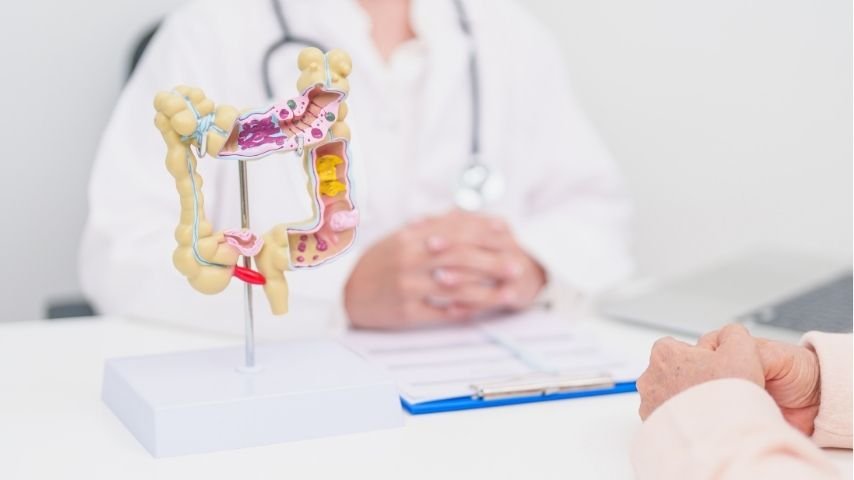
The colon plays an important role in absorbing water and forming stool. When a part of it is removed, the way your body processes waste changes. This is the main reason why bowel habits may not be the same after surgery.
Why Do Bowel Habits Change After Surgery?
To understand the changes, think of your colon like a long tube that absorbs water from food waste. When a part of this tube is removed, two main things happen.
First, there is less space to absorb water. This can lead to looser stools or diarrhea. Second, the movement of stool through the intestine may become faster or sometimes irregular.
Your body needs time to adapt. Over time, the remaining part of the colon learns to take over some of the lost function. This is why many patients see improvement as weeks pass, shaping the overall robotic colectomy experience.
What Changes Should You Expect After Robotic Colectomy?
Every patient is different, but some common changes are reported by many people.
- Increased Frequency of Bowel Movements
You may need to go to the toilet more often than before. Some patients go 3 to 6 times a day in the initial weeks.This happens because the stool moves faster through the shortened colon. - Loose Stools or Diarrhea
Loose stools are very common early after surgery. This usually improves gradually as your body adjusts. - Occasional Constipation
Some patients experience the opposite problem. This can happen due to medications, reduced activity, or diet changes. - Urgency
You may feel a sudden need to pass stool and may not be able to hold it for long. This can be uncomfortable but usually improves with time. - Gas and Bloating
Your digestive system may feel more sensitive. Gas and bloating are common during recovery.
How Long Do These Changes Last?
This is one of the most common questions patients ask.
In most cases, bowel habits start improving within a few weeks. However, full adjustment can take several months. Some patients may take up to a year to feel completely normal again.
The timeline depends on factors like how much of the colon was removed, your overall health, and your diet.
The good news is that most people do not have severe long-term problems. The body is very adaptable, and serious robotic colectomy risks are uncommon.
Does the Type of Surgery Affect Bowel Function?
Robotic colectomy itself does not directly change bowel function differently from other surgical methods. The key factor is how much and which part of the colon is removed.
However, robotic surgery may help in faster recovery because it is less invasive. This can make the overall healing process smoother.
How Diet Affects Your Recovery
Food plays a major role in how your bowel behaves after surgery. In the early days, your doctor may recommend a soft or low-fiber diet.
As you recover, you can slowly return to normal foods. But it is important to observe how your body reacts.
Some foods may cause loose stools, while others may help firm them up. For example, spicy food and oily meals may worsen diarrhea. On the other hand, foods like rice, bananas, and toast may help control it.
Drinking enough water is also very important. Since your colon absorbs less water now, staying hydrated helps prevent dehydration.
Simple Tips to Manage Bowel Changes
Managing bowel changes does not have to be complicated. Small steps can make a big difference.
Try eating smaller meals throughout the day instead of large meals. This helps your digestive system work more smoothly.
Keep a food diary. This helps you identify which foods trigger symptoms.
Stay active. Gentle walking can improve digestion and reduce constipation.
Do not ignore the urge to go to the toilet. Holding it in can worsen symptoms.
When Should You Be Concerned?
While changes in bowel habits are normal, some signs should not be ignored.
If you have severe diarrhea that does not improve, or if you notice blood in your stool, you should contact your doctor.
Persistent vomiting, severe abdominal pain, or inability to pass stool for several days also need medical attention.
It is always better to ask your doctor if you are unsure. No question is too small during recovery.
Emotional Impact of Bowel Changes
Many patients do not talk about this, but bowel changes can affect confidence and daily life.
Frequent bathroom visits or urgency can make people anxious, especially when going out or returning to work.
It is important to remember that this phase is usually temporary. Planning ahead, knowing where restrooms are, and carrying essentials can help reduce stress.
Talking openly with your doctor or family can also make you feel more supported.
Long-Term Outlook After Robotic Colectomy
Most patients return to a near-normal lifestyle after recovery. While some minor changes may remain, they are usually manageable.
The body adapts well over time. Many people find that their bowel habits become predictable again.
The key is patience and gradual adjustment.
Frequently Asked Questions
- Is it normal to have diarrhea after robotic colectomy?
Yes, diarrhea is very common in the early weeks. It usually improves as your body adapts. - How many times a day is normal after surgery?
It can vary. Some people go 3 to 6 times daily initially. This often reduces over time. - Will my bowel habits go back to normal?
Most patients see significant improvement within months. Some minor changes may remain. - What foods should I avoid after colectomy?
Spicy, oily, and high-fat foods may worsen symptoms. It is best to introduce foods slowly. - Can I control urgency after surgery?
Yes, with diet changes, routine, and time, urgency usually improves. - When should I call my doctor?
If you have severe pain, blood in stool, or persistent diarrhea, you should seek medical advice.
Conclusion
If you or a loved one is preparing for robotic colectomy, understanding these changes can reduce fear and help you feel more in control. Speak with your doctor about your specific case, and do not hesitate to ask questions. Recovery is a journey, and with the right knowledge and support, you can manage it confidently.