Robotic Colectomy vs Traditional Surgery: What’s the Real Difference in Recovery?
Medicine Made Simple
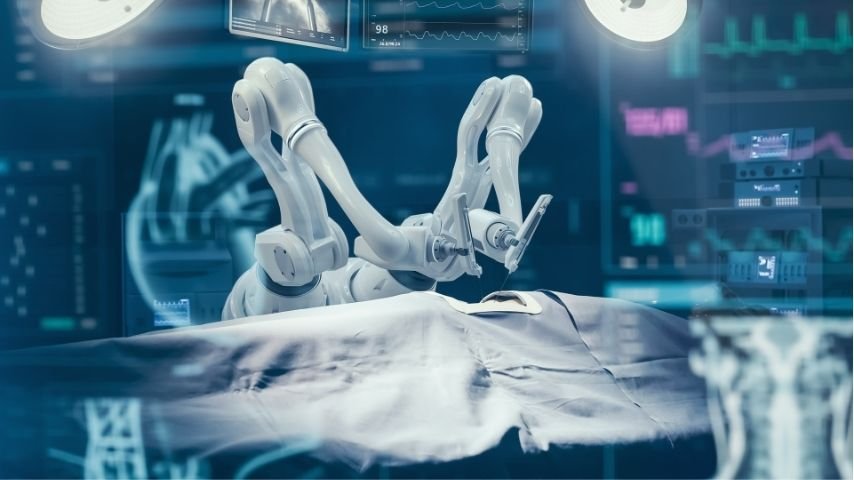
Robotic colectomy is a minimally invasive surgery where the surgeon uses robotic arms to remove a diseased part of the colon through small cuts. The robot allows precise movements, better visibility, and less damage to surrounding tissues. Compared to traditional open surgery, which requires a larger cut, robotic colectomy usually results in less pain, shorter hospital stay, and faster recovery. Both methods aim to treat colon conditions effectively, but robotic surgery focuses on improving comfort and recovery while maintaining surgical accuracy.
Why patients are confused about surgical options
When doctors recommend colon surgery, patients often hear terms like “open surgery,” “laparoscopic,” and “robotic.” This can feel overwhelming, especially when trying to understand which option is better.
Most people focus on one main concern: recovery. They want to know how long it will take to feel normal again, how painful it will be, and how soon they can return to daily life, including understanding robotic colectomy recovery time.
The confusion comes from not clearly understanding how these surgical methods differ in terms of what the body goes through during and after the procedure.
Understanding traditional open surgery
Traditional open surgery is the older and more widely known method. In this approach, a larger cut is made in the abdomen to access the colon directly.
This allows the surgeon to see and handle the organs clearly, which is helpful in complex cases. However, because the incision is larger, the body experiences more physical stress.
This leads to more pain after surgery, a longer healing time, and a higher chance of complications such as infection or delayed recovery.
While it is still an effective method, recovery tends to be slower compared to newer techniques.
Understanding robotic colectomy
Robotic colectomy is a more advanced form of minimally invasive surgery. Instead of a large cut, several small incisions are made.
Through these small openings, robotic instruments and a camera are inserted. The surgeon controls these instruments using a console, allowing very precise and controlled movements.
The robot does not operate on its own. It follows the surgeon’s instructions in real time, providing better accuracy and stability, improving the overall robotic colectomy experience.
Because the cuts are smaller and the movement is precise, the body experiences less trauma during surgery.
The key difference in what your body experiences
The biggest difference between robotic and open surgery is how much the body is affected during the procedure, especially when comparing robotic vs open colectomy.
In open surgery, the larger incision means more tissue is disrupted. This leads to greater pain, more blood loss, and a longer healing process.
In robotic surgery, the smaller incisions and precise movements reduce damage to surrounding tissues. This results in less pain and faster healing.
This difference directly impacts how recovery feels for the patient.
Pain and discomfort after surgery
After open surgery, patients often experience significant discomfort around the incision site. The larger wound takes time to heal, and movement may be limited initially.
Pain management is usually required for a longer period, and even simple activities like sitting up or walking may feel difficult in the early days.
With robotic colectomy, pain is generally less intense. The smaller incisions heal faster, and patients often feel more comfortable sooner.
This difference makes a noticeable impact on the overall recovery experience.
Hospital stay and early recovery
Patients who undergo open surgery typically stay in the hospital for a longer period. This is because the body needs more time to recover from the larger incision and internal healing.
In contrast, robotic colectomy often results in a shorter hospital stay. Many patients are able to start walking and eating sooner after the procedure.
Early movement is important for recovery, as it helps prevent complications and speeds up healing.
The shorter hospital stay also reduces emotional stress and allows patients to return to their home environment earlier.
Return to daily activities
One of the biggest concerns for patients is how soon they can return to normal life. This includes work, exercise, and routine activities.
After open surgery, it may take several weeks before patients feel comfortable resuming their usual routine. Heavy activities may need to be avoided for an extended period.
With robotic colectomy, many patients are able to return to light activities much sooner. While full recovery still takes time, the initial phase is usually quicker and less restrictive.
This allows patients to regain independence faster.
Risk of complications
All surgeries carry some level of risk, but the type of surgery can influence the likelihood of complications.
Open surgery has a higher risk of wound-related issues such as infection or delayed healing due to the larger incision.
Robotic colectomy reduces these risks because the incisions are smaller and there is less exposure of internal tissues.
Additionally, the precision of robotic instruments can help minimize accidental damage to nearby structures.
Scarring and physical impact
The size of the incision also affects scarring. Open surgery leaves a larger scar, which may take longer to heal and may remain visible.
Robotic colectomy results in smaller scars that are less noticeable. This may not affect health directly, but it can influence how patients feel about their recovery.
The smaller physical impact also contributes to faster healing and better overall comfort.
Emotional experience during recovery
Recovery is not only physical but also emotional. After open surgery, the longer recovery period can lead to frustration, dependence on others, and anxiety about healing.
Patients may feel limited in their daily activities, which can affect mood and confidence.
With robotic colectomy, the quicker recovery often leads to a more positive experience. Patients regain independence sooner and feel more in control of their recovery.
Understanding what to expect helps reduce stress and improves overall well-being.
When open surgery may still be needed
Despite the advantages of robotic surgery, open surgery is still necessary in certain situations. Complex cases, emergency conditions, or specific medical factors may require a more direct approach.
Doctors choose the method based on what is safest and most effective for the patient. The goal is always to achieve the best possible outcome.
Looking at the bigger picture
Both robotic colectomy and traditional surgery are effective treatments. The main difference lies in the recovery experience and how the body heals.
Robotic colectomy offers a less invasive option with faster recovery, while open surgery remains important for certain cases.
Understanding these differences helps patients make informed decisions and feel more prepared for the journey ahead.
Conclusion
Choosing between robotic colectomy and traditional surgery depends on your condition and medical needs. However, in many cases, robotic surgery offers a smoother recovery with less pain and quicker return to normal life. If you have been advised to undergo colon surgery, discuss your options with your doctor and understand what each method involves. Making an informed choice helps you approach treatment with confidence and achieve better outcomes.
References and Sources
American Cancer Society – Colon surgery
Society of American Gastrointestinal and Endoscopic Surgeons