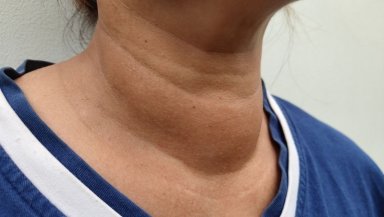
How Effective Is Radiofrequency Ablation (RFA) for Benign Thyroid Nodules — Results and What to Expect

Medicine Made Simple Summary
Radiofrequency ablation (RFA) is a minimally invasive procedure that shrinks benign thyroid nodules using heat delivered through a thin needle. It is done with local anesthesia, guided by ultrasound, and does not require surgery or removal of the thyroid gland. Most nodules shrink by 50 to 80 percent within months, symptoms improve early, thyroid function stays normal, and recovery is fast. It is a safe option for patients with large, symptomatic, or cosmetically noticeable benign nodules.
Understanding the Need for a Modern Treatment Option
Benign thyroid nodules are extremely common, and although many remain silent, some begin to cause problems such as pressure, visible swelling, difficulty swallowing, changes in sleep comfort, or cosmetic concerns. For years, surgery was the main treatment for nodules that caused symptoms. But surgery removes part of the thyroid gland and often leads to lifelong thyroid hormone medication. Radiofrequency ablation (RFA) offers an alternative. It shrinks nodules without removing thyroid tissue, allowing patients to avoid surgery while still getting meaningful relief.
What Exactly Is RFA?
RFA uses radiofrequency energy—similar to the energy used in medical devices for other parts of the body—to heat and shrink the inside of a thyroid nodule. A thin needle is inserted through the skin into the nodule using guidance from real-time ultrasound. The doctor applies controlled heat only to the parts of the nodule that need treatment. Over time, the body naturally absorbs this treated tissue, leading to noticeable shrinkage. Because only local anesthesia is used, patients stay awake but relaxed and comfortable.
Why RFA Does Not Harm the Thyroid Gland
One major advantage of RFA is that it targets only the nodule, not the entire gland. The thyroid tissue around the nodule remains healthy. This means thyroid hormone levels typically stay normal after the procedure. Most patients do not need thyroid medication, which is a major difference from surgery. This organ-sparing benefit is one of the top reasons people choose RFA when they qualify.
How Much Do Thyroid Nodules Shrink After RFA?
The effectiveness of RFA has been studied extensively across many countries. Research consistently shows significant shrinkage after treatment. Most benign nodules shrink by at least 50 percent within three to six months. Many shrink by 60 to 80 percent, and some shrink even more. Cystic nodules, which contain fluid, often shrink faster because the procedure can drain the fluid before applying heat. Solid nodules tend to shrink steadily over a longer period.
Understanding the Shrinkage Timeline
Shrinkage after RFA is gradual. Patients often feel internal improvement long before the ultrasound shows major changes. For example, pressure in the throat may ease within weeks. Cosmetic improvement may begin within the first few months. Full shrinkage typically continues for six to twelve months, and in some cases up to two years. During this period, the body continues to break down the treated tissue in small steps.
Why Symptoms Improve Even Before the Nodule Fully Shrinks
Patients often wonder why they feel better early even though the nodule is still visible. The reason is that RFA changes the internal structure of the nodule. The active parts of the nodule that cause pressure soften and lose their firmness. This results in relief even before the visible size reduction is dramatic. People often notice that swallowing becomes easier, neck tightness reduces, and the lump becomes less noticeable when sitting or lying down.
What Studies Show About Effectiveness
Studies from centers in Europe, Korea, the United States, and Australia all show similar results. RFA reduces volume significantly. It improves cosmetic symptoms and reduces pressure-related problems. Long-term studies show that shrinkage remains stable for years. Repeat treatments are rarely required, but when needed, they are simple and performed the same way as the first procedure. Overall effectiveness rates are high for well-selected benign nodules.
Who Benefits the Most from RFA?
RFA is especially effective for patients with large benign nodules, nodules causing cosmetic concerns, nodules causing swallowing difficulty or pressure, solid and mixed nodules that continue to grow, patients wanting to avoid surgery, and patients medically unfit for surgery. Active adults, singers, teachers, public speakers, and people who rely heavily on their voice often prefer RFA because it avoids potential voice complications associated with thyroid surgery.
What the Procedure Feels Like for Patients
Most patients describe RFA as easier than expected. The most noticeable sensation is the numbing injection. After that, there may be a feeling of warmth or light pressure inside the neck. The doctor can adjust energy levels instantly if the patient reports discomfort. Because patients remain awake, they communicate throughout the procedure, which adds an extra layer of safety. The procedure generally lasts thirty minutes to an hour depending on the size of the nodule.
What to Expect Right After RFA
After the procedure, patients rest briefly before going home the same day. Mild soreness, warmth, or swelling in the neck may occur. These symptoms usually settle within a day or two. Most people return to daily activities within forty-eight hours. Heavy exercise is usually avoided for a week. A small bandage protects the needle entry site, which heals quickly and without scarring.
Follow-Up and Monitoring After the Procedure
Doctors typically perform follow-up ultrasounds at one month, three months, six months, and twelve months after RFA. These ultrasounds track shrinkage and ensure that the nodule continues to reduce in size as expected. If the nodule was very large or had complex areas, the doctor may suggest additional follow-up. Repeat RFA may be considered in rare cases where nodules remain large despite shrinkage. For most patients, one session is enough.
Impact on Thyroid Hormones
A major advantage of RFA is that it does not usually affect thyroid hormone levels. Because the thyroid gland remains intact, most patients do not need thyroid medication after the procedure. This is a major advantage compared to surgery, where removing even one lobe can sometimes lead to hypothyroidism.
What Patients Say About RFA Results
Patients often say that they feel like themselves again. Those who had pressure or difficulty swallowing often describe feeling lighter or more comfortable within weeks. Many are surprised at how quickly their confidence improves once the visible lump begins to shrink. People who chose RFA for cosmetic reasons often say that their neckline looks more balanced within a few months.
Why RFA Is Becoming a First-Line Treatment Worldwide
RFA is becoming a preferred treatment for eligible patients because it delivers strong results with fewer risks compared to surgery. It avoids general anesthesia, avoids scars, preserves thyroid function, and has a short recovery period. As more centers adopt RFA, more patients gain access to this gentler approach. Medical societies and endocrine groups worldwide now recognize RFA as a safe and effective treatment for benign symptomatic nodules.
Understanding the Limits of RFA
RFA is not suitable for all thyroid nodules. It is used only for benign nodules confirmed through biopsy. It is not used for cancerous nodules or nodules with suspicious biopsy results. Nodules located too close to the voice nerve may require careful evaluation to ensure safety. Patients should always choose providers experienced in thyroid ablation to ensure the best results.
Conclusion
If you have a benign thyroid nodule causing discomfort, cosmetic concerns, or difficulty swallowing, consider booking an evaluation with a thyroid specialist experienced in RFA. A detailed ultrasound and consultation will help determine whether RFA is the right treatment to safely and effectively reduce your symptoms.
References and Sources