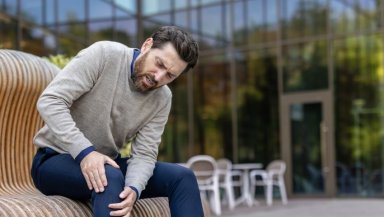
From Standing All Day to Leg Pain — Why Varicose Veins Happen (Risk Factors & Prevention Tips)

Medicine Made Simple Summary
Varicose veins develop when the valves inside leg veins weaken and blood begins to pool. This often happens due to standing for long hours, genetics, pregnancy, weight gain, and lack of movement. Over time, veins stretch, bulge, and cause leg heaviness, pain, swelling, and skin changes. The good news is that varicose veins can be prevented or slowed through simple lifestyle habits such as regular walking, calf muscle strengthening, weight control, avoiding prolonged standing or sitting, and wearing compression stockings when needed. Understanding the early signs helps you act before the condition becomes severe.
Understanding the Basics: What Varicose Veins Really Are
Varicose veins are enlarged, twisted veins that usually appear on the legs. They happen when tiny flap-like valves inside the veins weaken over time. Veins carry blood back to the heart, but blood must travel upward from the legs, working against gravity. Normally, valves close tightly to prevent backward flow. When these valves weaken, blood slips backward and builds pressure. This makes the veins stretch and bulge. Early on, varicose veins may simply look like visible blue or purple lines. With time, they can grow larger, ache, swell, or cause skin discomfort.
Many people think varicose veins are only cosmetic, but they are actually signs of circulation trouble. When ignored, they can progress to more serious problems such as skin thickening, dark discoloration, inflammation, and even venous ulcers. Understanding why they happen is the first step to preventing them.
Why Standing All Day Is a Common Trigger
One of the biggest contributors to varicose veins is standing for long periods. When you stand still, leg muscles remain relaxed and blood flows slowly. The calf muscles normally act like a pump to help push blood upward. Without movement, the blood struggles to return to the heart and begins to pool in the lower legs. Over time, this increases pressure inside the veins, stretches the vein walls, and weakens the valves.
People in jobs that require long hours of standing—such as teachers, nurses, retail workers, chefs, security guards, assembly line workers, and hospitality staff—are at higher risk. Even people who stand for only a few hours at a time but do it daily for years can develop varicose veins. Once the valves weaken, they do not recover naturally, so early prevention is important.
How Sitting Too Much Is Just as Harmful
While standing contributes to poor circulation, sitting for long periods has a similar effect. When you sit, especially with bent knees, blood flow slows down. The veins become compressed, and the calf muscles stay inactive. Desk workers, drivers, students, and people who spend long periods on computers often develop symptoms such as leg heaviness, swelling by evening, and early varicose veins.
The problem is not sitting or standing by itself. The real issue is lack of movement. The more time you spend in one posture, the harder it becomes for your veins to function normally.
Genetics: Why Some People Develop Varicose Veins Even if They’re Active
Genetics plays one of the strongest roles in varicose vein development. If one parent had varicose veins, your risk increases. If both parents had the condition, the risk becomes even higher. Genetics influence the strength of your vein walls and valves. Weak valves may develop even with a healthy lifestyle.
This is why two people with similar routines may have completely different vein health outcomes. Some people develop varicose veins early, even in their twenties. Others develop them only after pregnancy or with age. Understanding your family history helps you take early preventive measures.
Pregnancy and Varicose Veins: Why They Often Appear During or After Pregnancy
Pregnancy places extra pressure on the veins for several reasons. Blood volume increases to support the growing baby. Hormonal changes relax the vein walls. The expanding uterus presses on the veins in the pelvis, slowing return flow from the legs. Together, these factors can weaken the vein valves. Many women develop varicose veins during pregnancy, especially in the second or third trimester.
The veins may improve after delivery, but many do not fully return to normal. Repeated pregnancies increase the likelihood of persistent varicose veins. For women who plan multiple pregnancies, preventive care early on can help reduce long-term issues.
Weight and Varicose Veins: How Extra Body Weight Affects Circulation
Carrying extra body weight increases pressure on the leg veins. The heavier the body, the harder the veins must work to move blood upward. Over time, this pressure stretches the vein walls and damages the valves. Even a moderate increase in weight can accelerate varicose vein development.
People who gain weight rapidly may notice symptoms appearing sooner. Weight distribution also matters. Abdominal weight puts added strain on large veins in the pelvis, slowing blood drainage from the legs.
The good news is that even small, steady weight loss can significantly improve symptoms such as heaviness, swelling, and leg discomfort.
Hormones and Their Role in Vein Weakness
Hormonal changes play a significant role in vein health. Estrogen and progesterone, for example, soften vein walls. This makes them more flexible but also more prone to stretching. This is why varicose veins are more common in women than men.
Periods of intense hormonal change include pregnancy, puberty, and menopause. Some hormonal medications, including birth control pills or hormone replacement therapy, may also influence vein health. These factors do not directly cause varicose veins but make the valves more vulnerable to damage.
How Age Weakens Veins
As people age, the veins naturally lose elasticity. The valves become less effective. The calf muscles weaken, reducing their pumping power. Aging is a normal process, but it contributes to the progression of varicose veins. This is why many people who had mild symptoms in their thirties may notice worsening issues in their forties or fifties.
Staying active and maintaining muscle strength can slow age-related vein issues significantly.
Previous Injuries and Their Long-Term Impact
Leg injuries, such as fractures, deep cuts, or surgery, can damage blood vessels. Scar tissue may slow blood flow. Some injuries affect nerve signals that control muscle movement. These changes increase pressure in the veins and cause varicose veins to appear earlier than expected.
People with past trauma often benefit from early screening to check for hidden circulation issues.
Lifestyle Triggers That Often Go Unnoticed
Several everyday habits contribute to varicose vein development. Wearing high heels for long periods keeps calf muscles from pumping blood effectively. Sitting with legs crossed restricts blood flow. Carrying heavy bags or lifting weights without proper posture increases abdominal pressure. Avoiding physical activity weakens the lower leg muscles.
Even dehydration can affect vein function. Well-hydrated blood flows more smoothly and puts less strain on the veins.
Early Warning Signs You Should Never Ignore
Varicose veins do not appear suddenly. The body sends early signals. These signs include heaviness in the legs by evening, tightness around the ankles, mild swelling that improves after rest, itching around the veins, throbbing or burning sensations, night cramps, and skin becoming dry, thin, or darker in patches.
These symptoms suggest that the veins are struggling to maintain proper circulation. Acting early can prevent complications.
How to Prevent Varicose Veins or Slow Their Progression
Keeping the Legs Moving
Movement is the most effective prevention method. Walking activates the calf muscle pump. Short walks throughout the day improve blood flow. These breaks reduce pressure inside the veins and help prevent valve damage. Even stretching the ankles and pumping the feet while sitting can help.
Strengthening the Calf Muscles
Strong calf muscles push blood upward with greater force. Exercises like toe raises, brisk walking, cycling, and light jogging help improve circulation. Swimming is beneficial because it reduces pressure on the legs.
Maintaining a Healthy Weight
Losing even a few kilograms reduces strain on the veins. Maintaining a healthy weight prevents the veins from stretching and keeps valve function stable. Healthy eating habits support circulation and reduce inflammation.
Using Compression Stockings Correctly
Compression stockings support the veins by applying gentle pressure. This prevents blood from pooling in the legs. People who stand or sit for long hours benefit from using them during work. Choosing the right level of compression is important, and a healthcare provider can help with fitting and selection.
Avoiding Long Hours of Sitting or Standing
Changing positions frequently protects the veins. If you stand all day, take small walking breaks. If you sit for long hours, stand up every thirty to sixty minutes. Elevating the legs for a few minutes during breaks reduces pressure significantly.
Protecting Veins During Pregnancy
Pregnant individuals can reduce vein pressure by sleeping on the left side, avoiding longstanding periods, maintaining light activity, wearing maternity compression stockings, and elevating the legs whenever possible.
Choosing the Right Footwear
Flat shoes and supportive footwear help calf muscles work properly. High heels reduce calf muscle activity and slow venous return. Wearing heels occasionally is fine, but daily use contributes to vein problems.
Hydration and Nutrition
Staying well-hydrated helps maintain blood volume and smooth flow. Eating foods rich in fiber prevents constipation, which indirectly supports vein health by reducing abdominal pressure.
When to Seek Help from an Interventional Radiologist
Even with prevention, some people develop varicose veins due to genetics or lifestyle factors. You should see a specialist if symptoms limit daily activities, if swelling becomes frequent, if skin changes appear, if pain worsens, if the veins become large and uncomfortable, or if a wound appears that does not heal quickly.
Early consultation helps you understand your options before the condition progresses.
Conclusion
If you have leg heaviness, visible veins, or swelling that worsens during the day, schedule a consultation with a vein specialist or interventional radiologist. Early evaluation helps you prevent complications and maintain healthy circulation.