Living Donor Liver Transplant: How One Healthy Person Can Save a Life
Medicine Made Simple
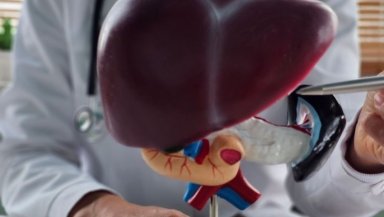
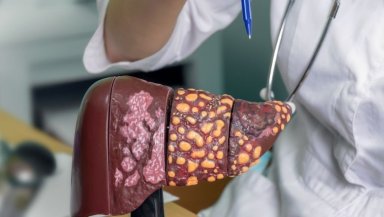
A living donor liver transplant is a procedure where a healthy person donates a part of their liver to someone with severe liver disease. The unique ability of the liver to regenerate allows both the donor and recipient to recover with a functioning liver. This approach can reduce waiting time and improve outcomes for patients who cannot wait for a deceased donor. While the idea may sound complex, the process is carefully planned to ensure safety for both individuals. Understanding how it works helps patients and families make informed and confident decisions.
What Is a Living Donor Liver Transplant
A living donor liver transplant is a type of surgery where a healthy person donates a portion of their liver to someone whose liver is failing.
Unlike other organs, the liver has a special ability to grow back. When a part of the liver is removed, both the donor’s and the recipient’s liver can regenerate over time. This makes living donation possible.
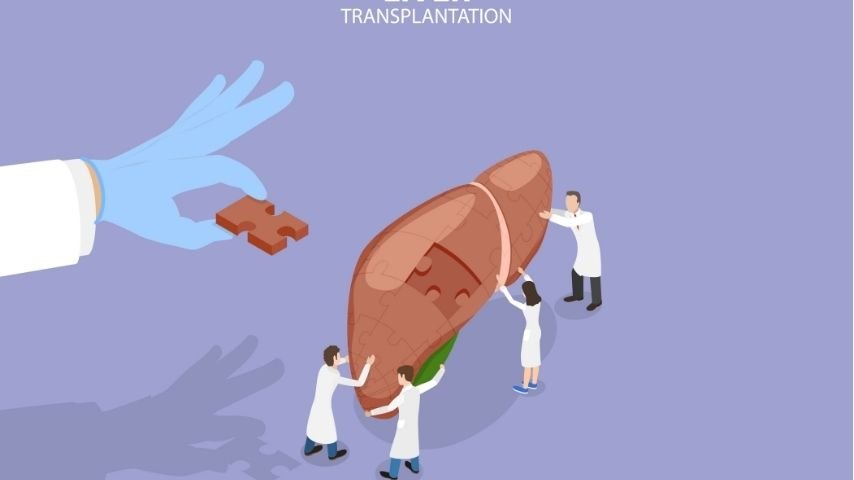
In this procedure, surgeons remove a segment of the donor’s liver and transplant it into the recipient. Over the next few weeks to months, both livers grow to an adequate size and begin functioning normally.
This approach offers an important option for patients who cannot wait for a deceased donor organ.
Why Living Donation Is Sometimes Needed
Many patients with advanced liver disease are placed on a waiting list for a deceased donor liver.
However, the number of available organs is limited. Some patients may wait for a long time, and during this period, their condition may worsen.
Living donor transplantation provides a way to reduce this waiting time. It allows the transplant to be planned at the right moment rather than waiting for an organ to become available.
This can be life-saving, especially for patients whose condition is progressing quickly.
How the Liver Regenerates After Donation
One of the most remarkable features of the liver is its ability to regenerate.
When a portion of the liver is removed, the remaining part grows back to restore its function. This process begins soon after surgery and continues over several weeks.
Both the donor and the recipient benefit from this ability. The donor’s liver returns to near-normal size, and the transplanted portion in the recipient grows to meet the body’s needs.
This natural regeneration is the reason living donor liver transplantation is possible.
Who Can Become a Living Liver Donor
Not everyone can donate a part of their liver. Donors must meet specific criteria to ensure safety and confirm liver transplant eligibility. A donor is usually a healthy adult with no significant medical conditions. They must have a compatible blood group with the recipient. Doctors also evaluate liver health, body size, and overall fitness. Psychological readiness is also important, as donation is a major decision. In many cases, donors are family members or close friends. However, unrelated donors may also be considered in certain situations.
The Evaluation Process for Donors
Before donation, the donor undergoes a detailed medical evaluation and a comprehensive Liver Transplant Evaluation. This includes blood tests, imaging scans, and assessments of heart and lung function. Doctors also evaluate the size and structure of the liver to ensure that enough liver will remain after donation.
The purpose of this evaluation is to minimize risks and ensure that the donor can safely undergo surgery and recover well.
Donors are also counseled about the procedure, recovery, and possible risks so they can make an informed decision.
What Happens During the Surgery
The surgery involves two separate procedures happening at the same time. In one operating room, surgeons remove a portion of the donor’s liver. In another, the recipient’s diseased liver is removed and replaced with the donated segment during the Liver Transplant Surgery.
The surgery is complex and requires a skilled team of specialists.
After the procedure, both the donor and the recipient are closely monitored in the hospital.
Recovery After Donation and Transplant
Recovery is different for the donor and the recipient.
The donor usually stays in the hospital for about a week and may need several weeks to return to normal activities. Most donors recover fully and can resume their regular lifestyle.
The recipient’s recovery may take longer. It involves adjusting to the new liver and taking medications to prevent rejection.
Regular follow-up is essential for both individuals to ensure proper healing and function.
Risks Involved in Living Donor Transplant
Like any major surgery, living donor liver transplantation carries some risks.
For the donor, risks may include pain, infection, or complications related to surgery. Serious complications are rare but possible.
For the recipient, risks include rejection of the new liver, infection, or complications from surgery.
Doctors take extensive precautions to reduce these risks and ensure the best possible outcomes.
Benefits of Living Donor Liver Transplant
One of the biggest advantages is reduced waiting time.
Patients do not have to wait for a deceased donor organ, which can take months or even years.
The surgery can be planned at the right time, improving the chances of success.
In many cases, outcomes are better because the transplant is performed before the patient’s condition becomes too severe.
Emotional and Ethical Aspects of Donation
Living donation is not just a medical decision. It is also an emotional and ethical one.
Donors often feel a strong desire to help a loved one. At the same time, they may have concerns about their own health and recovery.
It is important for donors to make the decision voluntarily and without pressure.
Support from family and healthcare teams plays a key role in this process.
Common Misconceptions About Living Donation
Some people believe that donating a part of the liver will permanently weaken the donor. In most cases, the liver regenerates and functions normally.
Another misconception is that donation is extremely risky. While there are risks, careful evaluation and experienced surgical teams help minimize them.
There is also a belief that only close family members can donate. In reality, other compatible donors may also be considered.
How to Start the Process
Patients who are considering a living donor transplant should discuss this option with their doctor.
The transplant team can guide both the patient and potential donors through the evaluation process.
It is important to gather information, ask questions, and understand each step before making a decision.
Early discussion can help prepare both the donor and recipient.
Moving Forward with Confidence
Living donor liver transplantation is a powerful example of how one person can help save another life.
With proper planning, careful evaluation, and expert care, the procedure can offer excellent outcomes.
Understanding the process helps reduce fear and build confidence in making this important decision.
Conclusion
If you or your loved one is considering a liver transplant, speak to your doctor about the possibility of a living donor transplant. Learn about the process, evaluate your options, and involve your family in the discussion. A well-informed decision can open the door to timely treatment and a better quality of life.
References and Sources
American Liver Foundation – Living Donor Liver Transplant
National Institute of Diabetes and Digestive and Kidney Diseases (NIDDK)