Loculated Pleural Effusion and Adhesions: Can Thoracoscopy Really Help?
Medicine Made Simple Summary
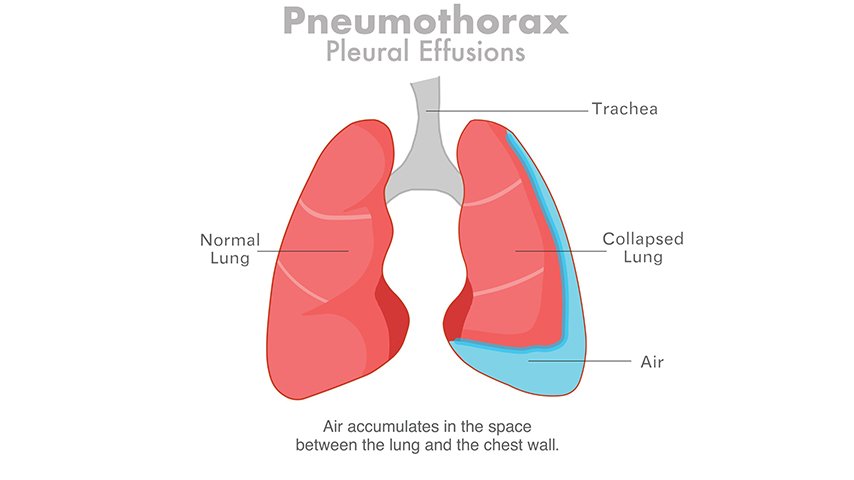
Pleural effusion means extra fluid collecting around the lungs. Sometimes this fluid does not stay in one open space but gets trapped in separate pockets inside the chest. This is called loculated pleural effusion. It often happens when scar tissue called pleural adhesions forms inside the chest. Trapped fluid can cause breathlessness and may not drain properly with simple chest tubes. Medical Thoracoscopy for Trapped Lung allows doctors to see inside the chest, break adhesions, and release trapped fluid.
Many patients are told they have chest fluid. They expect that placing a tube or needle will remove it. But some are surprised when doctors say the fluid is trapped in pockets and cannot drain easily. They hear words like loculated effusion and pleural adhesions. These words sound complex. But the idea is simple. Fluid is stuck in small compartments inside the chest, and the lung cannot expand properly. Understanding why this happens and how thoracoscopy helps makes treatment decisions much easier.
Understanding Normal Pleural Fluid Movement
The lungs are wrapped in a thin lining called the pleura. Another pleural layer lines the inside of the chest wall. Between them is a small space containing a tiny amount of fluid. This space allows the lungs to slide smoothly during breathing.
When disease occurs, extra fluid can collect in this space. This is called pleural effusion. In many cases, the fluid spreads freely and can be drained easily using a needle or chest tube.
Problems arise when the fluid does not spread freely.
What Is Loculated Pleural Effusion
Loculated pleural effusion means the fluid is trapped in separate pockets instead of one open space. These pockets form when scar tissue develops inside the pleural space. The scar tissue creates walls that divide the fluid into compartments.
This trapped fluid cannot move freely. It may sit behind the lung or in hard-to-reach areas. When doctors try to drain it with a tube, only some fluid comes out. The rest stays trapped.
Patients may then continue to feel breathless even after drainage. This leads to repeated procedures and frustration.
Why Loculated Effusions Form
Loculated pleural effusions usually develop after inflammation in the pleural space. Common causes include chest infections, tuberculosis, pneumonia, long-standing pleural effusion, and previous chest procedures.
During healing, the body forms fibrous tissue. This fibrous tissue becomes pleural adhesions. These adhesions act like internal partitions, trapping fluid in separate spaces.
Over time, the lung may also become partially trapped by these adhesions.
How Loculated Pleural Effusion Affects Breathing
When fluid and adhesions occupy space around the lung, the lung cannot expand fully. This reduces breathing capacity. Patients may feel short of breath while walking, climbing stairs, or even at rest.
Some patients feel chest heaviness. Others experience repeated cough. Many become tired due to reduced oxygen intake.
These symptoms often persist if the trapped fluid is not released.
How Doctors Detect Loculated Pleural Effusion
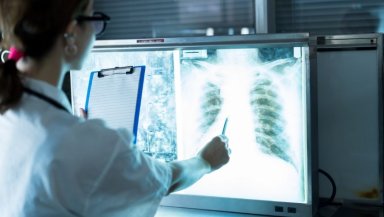
Chest X-rays usually show the first signs of pleural effusion. When fluid is loculated, the shape of the fluid looks unusual on X-ray.
CT scans give clearer information. Doctors can see separate fluid pockets and thickened pleura. Ultrasound of the chest also helps identify trapped compartments.
However, scans cannot always show the full extent of adhesions. Direct visualization is often needed. This is where Adhesiolysis via Medical Thoracoscopy becomes important.
Why Simple Chest Tube Drainage May Not Work
In a free-flowing pleural effusion, a chest tube allows fluid to drain out easily. But in loculated effusion, the tube may sit in only one pocket. Other pockets remain untouched.
Doctors may try repositioning the tube. They may try medicines to break internal partitions. But in many cases, these methods are not enough.
If trapped fluid remains, the lung stays compressed and symptoms continue. At this stage, thoracoscopy is considered.
How Medical Thoracoscopy Helps
Medical thoracoscopy allows doctors to insert a small camera into the pleural space. This provides a direct view of fluid pockets and adhesions.
Doctors can suction out trapped fluid under direct vision. They can identify scar bands and divide them. This process is called adhesiolysis.
Once adhesions are released, fluid pockets open up. The lung can expand again. A chest tube is left in place to drain remaining fluid and keep the lung expanded.
This combined diagnostic and treatment approach makes thoracoscopy very effective in loculated pleural effusion.
What Happens During Thoracoscopy for Loculated Effusion
The patient lies on one side. Local anesthesia numbs the chest wall. Mild sedation keeps the patient comfortable.
A small incision is made between the ribs. The thoracoscope is inserted. The doctor drains fluid, examines the pleural space, and identifies adhesions.
Scar bands dividing the fluid pockets are gently released. Trapped fluid is suctioned out. If needed, biopsies are taken to identify the underlying disease.
At the end, a chest tube is placed to continue drainage and help the lung stay expanded.
Recovery After Thoracoscopy for Loculated Effusion
Thoracoscopy Recovery is usually quick. Patients stay in the hospital for one to three days. The chest tube remains until drainage reduces and the lung is stable.
Mild chest discomfort is normal. Pain medication is provided. Breathing exercises are encouraged.
Many patients notice easier breathing soon after the trapped fluid is released.
Follow-up visits are scheduled to monitor lung expansion and review any biopsy results.
Does Thoracoscopy Cure the Underlying Cause
Thoracoscopy treats the trapped fluid and adhesions. But doctors also need to treat the underlying cause of the effusion. This may include antibiotics for infection, tuberculosis treatment, cancer therapy, or other medical care.
Thoracoscopy provides the accurate diagnosis needed to guide correct treatment. This is one of its greatest benefits.
Safety of Thoracoscopy in Loculated Effusion
Medical thoracoscopy is a well-established procedure. Complications are uncommon when performed by trained specialists.
Possible issues include mild bleeding, temporary air leak, infection, or short fever. These are monitored in hospital and treated promptly.
Doctors recommend thoracoscopy only when benefits outweigh risks.
Why Early Treatment Matters
If loculated pleural effusion is left untreated, adhesions can thicken further. The lung may become permanently trapped. Breathing may worsen over time.
Early diagnosis and timely thoracoscopy prevent long-term lung restriction and repeated hospital visits.
Conclusion
If you or a loved one has been told chest fluid is trapped or not draining properly, ask your doctor whether loculated pleural effusion and pleural adhesions may be the cause. Understanding whether medical thoracoscopy can help is the first step toward better breathing. Book a consultation with an interventional pulmonology or thoracic specialist to discuss your treatment options.
References and Sources
American Thoracic Society – Pleural Effusion and Pleural Procedures
British Thoracic Society – Pleural Disease Guidelines
European Respiratory Society – Pleural Space Disorders
National Cancer Institute – Pleural Conditions and Treatments
Peer-reviewed literature on loculated pleural effusion and thoracoscopy