






No. The majority of people infected with the bacterium H. pylori do not develop cancer. Nonetheless, antibiotic therapy of the illness has a significant impact on reducing the long-term risk of developing stomach cancer.


Table of Contents 
Introduction
Gastric cancer is also referred to as stomach cancer. It begins with the abnormal and uncontrolled growth and division of cells present in the lining of the stomach. Although its incidence has reduced significantly in the last 20 years, stomach cancer is still among the most prevalent cancers worldwide. Most people fail to notice the early signs of gastric cancer because the symptoms of the disease are similar to those of common digestive problems, often requiring approaches similar to advanced liver cancer treatment in complex cases.
This article explores the primary risk factors, the stages of disease progression through the stomach wall, and contemporary diagnostic pathways and treatment options for patients. You will also learn how Gleneagles Hospitals uses a comprehensive approach to deliver the best possible outcomes for patients while managing their diagnoses.
Understanding the Stomach and Cancer Progression
The stomach is a hollow, muscular organ located in the upper abdomen. It has several layers, with the innermost mucosa and the outermost serosa. The stomach has two functions in the body.
- The first is chemical: It produces gastric fluids, a mixture of hydrochloric acid (HCl) and digestive enzymes, specifically pepsin, which decomposes proteins.
- The second function is mechanical. The contraction of the stomach muscles kneads the contents, converting them into a semi-fluid mass (chyme) that is passed to the intestine.
The majority of stomach cancers (more than 90 per cent) develop in the stomach lining, the deepest layer where the glands that produce acid and enzymes are found.
Medical practitioners classify stomach cancer based on where it starts. The most prevalent kind is adenocarcinoma, which makes up the vast majority of cases. As the cancer progresses, it may spread to the stomach's deeper muscular wall, lymph nodes, or other regions of the body, such as the liver and lungs. Early detection of cancer when it is confined to the superficial layer would greatly enhance treatment effectiveness.
Common Risk Factors and Causes
The exact cause of stomach cancer is not always known, but certain traits expose people to the disease.
- Helicobacter pylori (H. pylori) Infection: It is a common bacterium that causes chronic inflammation of the lining of the stomach. Prolonged infection leads to an increased risk of gastric malignancy.
- Eating Habits: Intake of smoked, salted or pickled food, absence of fresh vegetables may increase the risk of developing stomach cancer.
- Lifestyle Choices: Smoking and high consumption of alcohol irritate the stomach lining and predispose cells to abnormal changes.
- Family History: Individuals have an increased risk of getting stomach cancer because of the family history of stomach cancer and/or genetic defects.
- Chronic Inflammation: Long-term inflammation of the stomach, such as chronic gastritis and stomach polyps, can, over time, lead to cancer.
Recognising the Symptoms
Stomach cancer does not produce any clear symptoms in its initial stages. When symptoms are evident, they can be mistaken for minor ailments, further underscoring the need for professional assessment if problems persist.
Common signs include:
- Persistent indigestion or stomach discomfort.
- A feeling of bloating or fullness after eating small amounts of food.
- Mild nausea or loss of appetite.
- Unexplained weight loss.
- Nausea, vomiting, or blood in the stool
- Fatigue caused by anaemia (low red blood cell count).
Your health matters – get expert advice today.
Diagnostic Procedures at Gleneagles Hospitals
Timely and precise diagnosis is the key to successful cancer treatment. Gleneagles Hospitals use some of the latest diagnostic equipment to analyse the stomach and determine the extent of the disease.
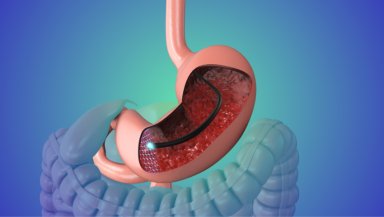
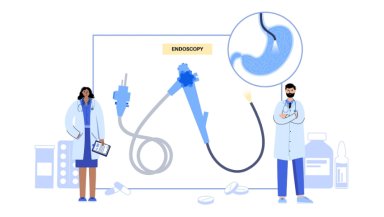
Upper Gastrointestinal Endoscopy: This is the primary tool utilised in the identification of stomach cancer. To examine the stomach lining, a doctor inserts a thin, flexible endoscope through the mouth and down the oesophagus. If the doctor notices an atypical lump, he or she may do a biopsy, which involves removing a small bit of tissue and sending it to a laboratory.
Endoscopic Ultrasound (EUS): In case of cancer being detected, an EUS aids in finding out the extent to which the tumour has penetrated the stomach wall. A small ultrasound probe positioned at the end of the endoscope will provide detailed images of the stomach layers and the surrounding lymph nodes.
Imaging Tests: CT scans, PET scans, and MRIs will help the medical team establish whether the cancer has spread to other parts of the body. These images are critical for staging the cancer and developing the best treatment plan.
Treatment Pathways
Stomach cancer treatment is determined by the tumour's stage, its location, and the patient's overall health.
Surgical Interventions
The most common treatment of localised stomach cancer is surgery.
- Endoscopic Resection: In very early-stage tumours confined to the mucosa, the endoscope is utilised to remove the tumour since the abdomen does not need to be operated on.
- Subtotal Gastrectomy: The procedure involves removing a portion of the stomach afflicted by cancer.
- Total Gastrectomy: This is achieved by the surgeon removing the entire stomach and joining the oesophagus to the small intestine.
Systemic and Targeted Therapies
- Chemotherapy: This involves using drugs to shrink tumours before surgery or to destroy residual cancer cells after surgery.
- Targeted Therapy: These medications target specific proteins or receptors of the cancer cells to prevent them from growing.
- Immunotherapy: This treatment helps the body's immune system recognise and attack cancer cells.
Recovery and Nutritional Support
Stomach surgery implies that a person's eating habits and digestion will be altered. Patients have to adopt new dietary habits because the stomach's capacity is reduced or eliminated.
- Small, Frequent Meals: Patients consume small meals six to eight times a day rather than three.
- Nutritional Supplements: It might be necessary for the person to receive vitamin injections (e.g., Vitamin B12) or oral supplements to avoid deficiencies.
- Dietary Guidance: Clinical dietitians at Gleneagles Hospitals provide individualised dietary plans to help patients maintain their weight and energy during recovery.
Why Choose Gleneagles Hospitals?
Gleneagles Hospitals provide an all-inclusive, high-quality environment where cancer patients receive treatment. The facility provides:
- Experienced Surgical Teams: Surgeons with specialisation in complex gastric resections as well as the minimally invasive techniques.
- State of the Art Diagnostic Suite: Availability of high-endoscopy and state-of-the-art imaging to do accurate staging.
- Multidisciplinary Tumour Boards: These consist of oncologists, radiologists, and surgeons who come together to develop the most effective treatment plan for each patient.
- Holistic Support: Oncology nurses and dietitians will support the patient throughout their treatment and recovery.

Dr Gaurav Singh
Sr Consultant - Surgical Gastroenterologist and Bariatric Surgery
MBBS, MS (Gen Surgery), MCh (Surgical Gastroenterology)
Experience: 16+ Years
General Surgery and Minimal Access Surgery, Surgical Gastroenterology
Bengaluru, Kengeri
Dr Jayanth H
Consultant - Surgical Gastroenterologist & Robotic Surgery
MBBS, MS (Gen Surgery), DrNB (Surgical Gastroenterology), Fellowship (Robotic Surgical Oncology)
Experience: 10+ Years
Surgical Gastroenterology, General Surgery and Minimal Access Surgery
Bengaluru, Kengeri


Dr Shailesh Shrikhande
Director & Head - Surgical Oncology
MS,MD,FRCS (England)-Honorary,FRCS (Edinburgh)-Honorary,FACS-Honorary,FASA-Honorary

Dr Syed Murtuza Ahmed
Consultatant Surgical Oncologist
Explore Our Blogs
View All Surgical Gastroenterology
Why Does My Doctor Want an Endoscopy? 7 Symptoms You Shouldn't Ignore
 Surgical Gastroenterology
Why Did My Doctor Take a Biopsy During Endoscopy? Understanding Results, Reports, and Next Steps
 Surgical Gastroenterology
What Is an Upper GI Endoscopy? A Beginner's Guide for Patients and Families
 Surgical Gastroenterology
What Happens If My Endoscopy Is Normal but My Symptoms Continue?
 Surgical Gastroenterology
Terrified of an Endoscopy? Here's What Hundreds of Patients Say the Procedure Really Feels Like
 Surgical Gastroenterology
Heartburn, Bloating, or Something More? When Digestive Symptoms Need a Closer Look
Frequently Asked Questions
Does an H. pylori infection always lead to cancer?
How long is the recovery after stomach surgery?
Patients stay in the hospital for an average of five to 10 days. At home, a full recovery often takes six to eight weeks, during which time the patient is progressively introduced to a new dietary pattern.
Will a person be able to eat normally after a total gastrectomy?
While the person can no longer eat large meals, they can still enjoy a wide variety of foods. Over time, the digestive system adapts to smaller, more frequent meals, and with dietary changes, most patients may live full, active lives.
What is the most effective way to prevent stomach cancer?
Risk-reduction techniques include treating H. pylori infections, quitting smoking, keeping a healthy weight, and eating a diet rich in fresh fruits and vegetables with fewer processed and high-salt meals.

