








While the surgery is performed under local anaesthesia and no pain is felt during the procedure, some discomfort may be experienced after the procedure is completed. However, with proper medications, this can be effectively controlled.


Table of Contents 
- Introduction
- What is a Modified Radical Mastectomy?
- Why is a Modified Radical Mastectomy performed?
- Modified Radical Mastectomy Procedure
- Benefits of Modified Radical Mastectomy
- Possible Risks and Complications of Modified Radical Mastectomy
- Recovery and Aftercare
- Why Choose Gleneagles Hospital for Modified Radical Mastectomy?
- Conclusion
Introduction
Breast Cancer has become one of the most common cancer types affecting women across the globe. With timely diagnosis and an accurate treatment strategy, the survival and quality of life significantly improve for breast cancer patients. Modified Radical Mastectomy is one of the most effective surgical procedures for breast cancer. Efficient procedures like this considerably enhance the oncological and functional outcomes of cancer surgery.
What is a Modified Radical Mastectomy?
A Modified Radical Mastectomy (MRM) is a surgical procedure performed to treat breast cancer. This procedure involves removing all breast tissue and the axillary lymph nodes in the underarm region. The pectoral muscles of the chest are still preserved.
This is a modified form of an extensive radical mastectomy in which the chest muscles were also removed. Modified radical mastectomy is, anyway, more beneficial than an extensive radical mastectomy because of lesser deformity, faster Modified Radical Mastectomy Recovery and enhanced arm function.
Why is a Modified Radical Mastectomy performed?
Several clinical conditions can be treated with the help of a Modified Radical Mastectomy. Some of the common ones are mentioned below:
- Invasive Breast Cancer
- Multiple Tumours
- Recurring Cancer
- Lymph Node Involvement
- Large Tumours
The procedure provides both diagnostic and therapeutic benefits for breast cancer patients, as an in-depth analysis of the lymph nodes is also offered in the procedure.
Modified Radical Mastectomy Procedure
The procedure of Modified Radical Mastectomy includes the administration of general anaesthesia, and it usually takes a few hours to complete the process. The steps performed in Modified Radical Mastectomy include the following:
- Incision and Breast Tissue Removal - The surgeon starts the procedure by making the incisions over the breast region and carefully removes the entire breast tissue along with the nipple-areola complex.
- Preservation of Chest Muscles - Unlike traditional radical mastectomy, the modified version leaves the chest or pectoral muscles intact.
- Auxiliary Lymph Node Dissection - For an accurate breast cancer staging, the lymph nodes present in the underarm area are removed.
- Drain Placement and Wound Closure - Surgical drains are placed to prevent fluid accumulation. The incisions are then carefully closed with staples & sutures.
All the steps of the procedure are performed carefully by our experts.
Your health matters – get expert advice today.
Benefits of Modified Radical Mastectomy
Modified Radical Mastectomy offers several benefits, including the following:
- Effective breast cancer control for advanced cases.
- Preservation of chest wall muscles results in improved mobility.
- Accurate staging for lymph node evaluation.
- Breast reconstruction options (as pectoral muscles are preserved, reconstruction surgery becomes more compatible)
- Reduced chances of recurrence due to the complete removal of the breast tissues.
- Short-term recovery (as compared to an extensive radical mastectomy)
Modified Radical Mastectomy comes up as a beneficial surgical option for breast cancer patients.
Possible Risks and Complications of Modified Radical Mastectomy
Like any other surgical procedure, a Modified Radical Mastectomy also has a particular set of risks and complications. Although they are not very serious, most patients recover without any significant complications. Some of the common risks include:
- Pain and swelling in the operated site
- Bruising in the affected area
- Seroma Formation (fluid accumulation)
- Numbness or Tingling Sensation in the chest and arm region
- Infection and Bleeding
- Lymphedema or swelling in the arms due to lymph node removal
- Restricted Movement (physiotherapy is not considered)
Timely detection and proper postoperative care can help mitigate the risk of complications.
Recovery and Aftercare
The recovery duration of Modified Radical Mastectomy is a crucial step and requires patience and holistic support. Patients will recover gradually with the proper aftercare methodologies. Some steps for enhanced recovery include:
- Hospital Stay: After surgery, the patient is required to stay in the hospital for a few days to monitor recovery.
- Drain Care: Surgical drains placed at the time of surgery are left in place for several days until fluid output decreases.
- Pain Management: Medications prescribed by the doctor should be taken to reduce the pain and discomfort after the surgery.
- Physiotherapy: After surgery, it helps you regain movement and prevent stiffness in the arms and shoulders.
- Follow-Up Care: Once the patients are discharged from the hospital, regular follow-up visits to your doctor are crucial for monitoring the healing.
Why Choose Gleneagles Hospital for Modified Radical Mastectomy?
Gleneagles Hospital is known for its proficiency and excellence in treating cancer patients through compassionate, comprehensive cancer care. Advanced medical technology and expert surgical teams can help patients receive holistic treatment. Some of the benefits of choosing Gleneagles as your Cancer Treatment Partner include:
- Multidisciplinary Team of expert medical and non-medical staff.
- Advanced Facilities to enhance procedure outcomes.
- Personalised Treatment Plan to ensure each patient gets personalised attention and care.
- Postoperative Rehabilitation Care helps patients heal faster and better.
- Experienced Surgeons for improving the effectiveness and accuracy of the surgery.
At Gleneagles Hospitals, patients are guided and supported at every step of their treatment procedure to help them get a deeper understanding of the surgery.
Conclusion
Modified Radical Mastectomy has significantly improved the patient outcomes and well-being when compared to the traditional Extensive Radical Mastectomy procedure. It remains a vital procedure for breast cancer patients, especially in cases where the lymph nodes are involved. Choosing an experienced healthcare provider like Gleneagles Hospitals provides you with a safer, more comfortable, and successful breast cancer treatment procedure.

Dr Parigala Hemanth
Consultant Surgical Oncologist
MBBS,MS( GENERAL SURGERY), DNB ( Surgical Oncology) FMAS FALS ROBOTICS FIAGES EFIAGES


Dr Syed Murtuza Ahmed
Consultatant Surgical Oncologist
Explore Our Blogs
View All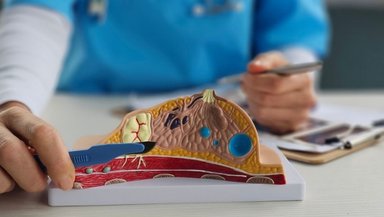 Breast Cancer Oncology
How to Manage Pain and Physical Therapy After Modified Radical Mastectomy
 Breast Cancer Oncology
Emotional and Body Image Changes After Mastectomy —Explained Simply
 Breast Cancer Oncology
Deciding Between Immediate Reconstruction or Delayed Reconstruction After Mastectomy
 Breast Cancer Oncology
Body Image and Confidence After Mastectomy — Coping Strategies That Help
Frequently Asked Questions
Is the Modified Radical Mastectomy procedure painful?
What is the recovery duration after a Modified Radical Mastectomy procedure?
Initial healing occurs within the first few weeks after surgery; however, complete healing may take months.
Is breast reconstruction possible after a Modified Radical Mastectomy?
Yes, breast reconstruction surgery can be performed either immediately after the surgery or during a later stage, as per the convenience of the patient.
Is additional treatment required after the surgery?
It depends entirely on the pathology results from the surgery. If needed, additional treatment options like chemotherapy, hormone therapy, or radiotherapy might be recommended.
Is Modified Radical Mastectomy a curative procedure?
Yes, in many cases, a modified radical mastectomy can help in effectively controlling the cancer, especially when paired with appropriate additional therapies.
How should I prepare before a modified radical mastectomy?
Preparation involves basic tests, reviewing medications, and improving overall health by eating well and staying active. It also helps to arrange support at home and understand the surgery and recovery process in advance.
What lifestyle changes are recommended after a modified radical mastectomy?
Focus on a balanced diet, gentle physical activity, and avoiding heavy lifting during recovery. Regular follow-ups and emotional support are important for long-term wellbeing.
Can I sleep on the operated side after a modified radical mastectomy?
It is best to avoid sleeping on the operated side in the initial weeks to prevent discomfort. You can gradually return to it once healing improves and your doctor advises.
What exercises help restore shoulder movement after surgery?
Gentle exercises like arm lifts, wall climbing, and shoulder rolls help improve mobility. These should be done gradually under guidance to avoid strain.
Avoid injuries, infections, and heavy lifting with the affected arm while keeping the skin well cared for. Regular gentle exercises and early attention to any swelling can help prevent complications.
How can I reduce the risk of developing lymphoedema after surgery?
Avoid injuries, infections, and heavy lifting with the affected arm while keeping the skin well cared for. Regular gentle exercises and early attention to any swelling can help prevent complications.

