Overview Section

Neurology

Neurology at Gleneagles Hospital Mumbai focuses on diagnosing and treating disorders of the brain, spinal cord, and nerves using advanced medical therapies and evidence-based care. Our neurologists manage a wide range of conditions, including stroke, epilepsy, migraine, Parkinson’s disease, multiple sclerosis, memory disorders, nerve pain, and movement disorders. Early diagnosis and individualized treatment plans help improve neurological health outcomes and patient quality of life.

Our specialist team includes experienced neurologists and clinicians, led by experts trained in the latest diagnostic and therapeutic protocols.

What is Neurology?

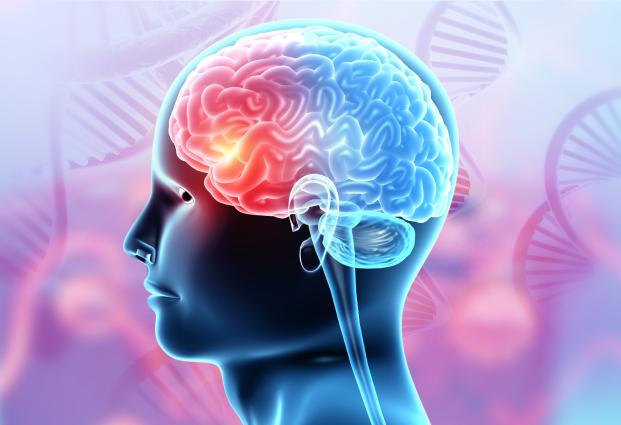
Neurology is the medical specialty that deals with disorders affecting the brain, spinal cord, and nervous system. Neurologists diagnose and manage conditions ranging from headaches and seizures to stroke, memory disorders, and movement disorders.

Mumbai’s First NABH-Certified Advanced Stroke Centre

Mumbai’s first hospital certified under the NABH Certification Program for Advanced Stroke Centre, setting a new benchmark in comprehensive stroke care. This certification recognizes the excellence of our highly skilled Neurology and Neurosurgery team, supported by advanced technology, standardized stroke protocols, and 24×7 multidisciplinary care ensuring rapid, precise, and life-saving treatment with a focus on better outcomes and faster recovery.

Gleneagles, the leading Neurology Hospital in Mumbai, is an advanced facility for the diagnosis, management, and treatment of patients suffering from neurological conditions. 

Neurology is the study and management of disorders affecting the neurological system, whose primary parts are the brain and spinal cord. It includes cranial nerves that connect the nose, throat, ears, eyes, and face, peripheral nerves that provide blood to the limbs, and autonomic nerves that innervate internal organs, such as the sweat glands and blood vessels. World-renowned neuro experts in a range of nervous system disorders make up our skilled workforce. Our Neuro Hospital in Mumbai treats a range of neurological problems in both adults and children by bringing together medical professionals with expertise in neurology, neuroradiology, and behavioural sciences.

Conditions Treated

  • Epilepsy: This brain-related neurological disorder increases a person's risk of experiencing frequent, spontaneous seizures. It affects people of all ages and is among the most widespread nervous system conditions.
  • Brain Tumours: A mass of irregular brain cells is called a brain tumour. Brain tumours can be classified as benign (not containing cancer cells and not likely to spread to other regions of the body) or malignant (containing cancer cells). Even benign brain tumours can harm the brain, and there are many different kinds of them.  
  • Parkinson's Disease (PD): This is a neurological disorder that affects movement, mental health, sleep, pain, and other aspects of life. Parkinson's disease worsens over time. Treatments and medications can lessen symptoms, but there is no cure. Speaking difficulties, severe muscle contractions and tremors are typical symptoms, and advanced cases may be managed with procedures such as DBS.
  • Alzheimer's Disease: This is a brain illness that gradually impairs thinking and memory abilities, leading to the eventual inability to do even the most basic tasks. Individuals who have Alzheimer's disease also undergo behavioural and personality changes. Dementia is most often caused by this.
  • Peripheral Neuropathy: The broad name for nerve injury that results in weakness, numbness, and pain, typically in the hands and feet, is peripheral neuropathy. It may also have an impact on other body parts and processes, such as blood pressure regulation and digestion.
  • Stroke: A stroke, also known as a brain attack, happens when a blood artery in the brain breaks or when something stops the blood flow to a portion of the brain. Parts of the brain either die or sustain injury. Strokes can result in death, permanent brain damage, or long-term disability, requiring timely and comprehensive Stroke Management.
  • Sleep Disorders: These conditions include issues with the quantity, timing, and quality of sleep, which lead to distress throughout the day and functional impairment. Sleep difficulties frequently coexist with other mental health issues or medical illnesses.
  • Nervous System Infections: Bacterial meningitis or a brain abscess may develop from central nervous system infections brought on by bacteria or fungi. Viral meningitis or encephalitis may occur from viral infections.
  • Migraine and Chronic Headaches: These neurological conditions cause recurring head pain, often accompanied by symptoms like nausea and sensitivity to light or sound. They can affect daily activities and are among the most common nervous system disorders.
  • Movement Disorders: These neurological conditions affect the speed, smoothness, and control of body movements, leading to symptoms such as tremors, stiffness, or involuntary motions. They can impact daily functioning and are commonly seen across different age groups.
  • Multiple Sclerosis: This chronic neurological disorder affects the central nervous system, disrupting communication between the brain and the body. It can lead to symptoms such as fatigue, difficulty in movement, and vision problems, and commonly affects young adults.
  • Dementia and Memory Disorders: These neurological conditions affect memory, thinking, and reasoning abilities, interfering with daily activities and quality of life. They are more common in older adults and may progressively worsen over time.
  • Neuromuscular Disorders: These conditions affect the nerves and muscles, leading to weakness, loss of muscle function, and reduced mobility. They can impact individuals of all ages and may vary in severity and progression.
neurology.png

Advance heading
Advanced Technology Used

Before beginning therapy, our Neurology Hospital in Mumbai uses a variety of latest equipment to diagnose the patient. Among these technologies are:

Computed Tomography

This non-invasive imaging technique makes use of specialised x-ray equipment to produce highly detailed images, or scans, of the body's organs, bones, and tissues. This is often referred to as a CT scan

Magnetic Resonance Imaging

This scan produces precise images of the body's organs and tissues by using radio waves and a powerful magnetic field. It can be useful for seeing tumours, injuries, and other conditions. This is often referred to as an MRI scan.

Positron Emission Tomography

Another kind of imaging test is Positron Emission Tomography. It searches for illness in the body using a radioactive material known as a tracer. Because it displays the structure of the organs as well as the blood flow to and from them, this differs from MRI and CT scans.

EEG

Brain activity is recorded using an electroencephalogram (EEG). In order to detect the electrical signals generated by the brain, tiny sensors are affixed to the scalp during this painless examination. A machine records these impulses, which a physician examines.

(MRI) and CT Scan

These non-invasive imaging techniques use magnetic fields (MRI) and specialised X-ray equipment (CT) to create detailed images of the body’s internal structures, including the brain, spine, and other organs. They help in accurate diagnosis and evaluation of various medical conditions.

Nerve Conduction Studies

This diagnostic test measures how well and how fast electrical signals travel through the nerves. It helps in identifying nerve damage and disorders affecting the peripheral nervous system.

EMG

This test evaluates the electrical activity of muscles and the nerves controlling them. It is used to detect neuromuscular abnormalities and assess muscle function.

Blood and Laboratory Investigations:

These tests involve analysing blood and other body samples to detect infections, inflammation, and metabolic or neurological disorders. They play a key role in diagnosis, monitoring, and treatment planning.

Expertise of Neurology Doctors

The medical staff at our Neurology Hospital in Mumbai are highly skilled in carrying out a variety of technical treatments, and the department offers assistance to patients with a broad spectrum of neurological disorders. The department uses the newest technology and the years of experience of the specialist to perform procedures at a fair price.

Using a comprehensive strategy, our neurology doctors at Neuro Specialist Hospital in Mumbai treat thousands of patients annually. The patients benefit from the best possible treatment options for illnesses, disorders, and injuries thanks to the expert skills and standard protocols.

Symptoms That May Require Neurology Consultation: Patients should consider consulting a neurologist if they experience:

  • Persistent or severe headaches
  • Sudden weakness or numbness on one side of the body
  • Memory loss or confusion
  • Tremors or difficulty walking
  • Frequent seizures
  • Difficulty speaking or swallowing
  • Numbness or tingling in hands or feet

Early medical attention can prevent complications, especially in conditions like stroke.


Do you have any additional questions or concerns? We're here to help!
Please feel free to reach out

Book an Appointment

Our Doctors

View All

Treatments Offered

Why Choose Gleneagles Hospitals?

  • Patient Experience

    PATIENT EXPERIENCE

    Your care and comfort are our top priorities. We ensure that the patients are well informed prior to every step we take for their benefit and that their queries are effectively answered.

  • Latest Technologies

    LATEST TECHNOLOGIES

    The Gleneagles Hospital's team stays up to date on the advancements in medical procedures and technologies. Experience the Future Healthcare Technologies now at Gleneagles Hospital.

  • Providing Quality Care

    PROVIDING QUALITY CARE

    Strengthening lives through compassionate care, innovative therapies and relentless efforts. It reflects in the DNA of our passionate team of doctors and dedicated clinical staff.

Skeleton overlay showing shoulder inflammation

Gleneagles, the top Neuro Hospital in Mumbai, has been equipped with a number of amenities to help with your ongoing care.

  • On-site MRI, CT, and PET scanners
  • A 24-hour pharmacy
  • Fully-equipped intensive care units

All patients at Gleneagles Hospital receive unparalleled neurosurgery and post-treatment care to guarantee their health and rehabilitation. In addition to our emergency services that offer immediate medication, we offer clean, spacious, and modern treatment rooms and theatres for both major and minor procedures.

    Frequently Asked Questions

  • What does the Neurology Department do?

    The neurology department of Gleneagles Hospital helps with the treatment of all conditions related to the nervous system.

  • Which hospital is good for neurology in Mumbai?

    Gleneagles Hospital is the top neuro hospital in Mumbai. We have built a trustworthy reputation in the city and offer a wide range of treatments for an affordable cost.

  • What should I ask a neurologist?

    When meeting with a neurologist, you should ask about the details of your diagnosis and all the treatment options that are available for the same.

  • What conditions does a neurologist treat?

    A neurologist treats disorders of the brain, spinal cord, and nerves, including stroke, epilepsy, migraine, Parkinson’s disease, memory loss, and peripheral neuropathy.

  • What are the early warning signs of a stroke?

    Common warning signs of stroke include sudden numbness or weakness on one side of the body, confusion, difficulty speaking, and loss of balance. Immediate medical care is critical.

  • What is Deep Brain Stimulation (DBS)?

    Deep Brain Stimulation (DBS) is a minimally invasive procedure that delivers targeted electrical stimulation to specific brain areas to manage movement disorders like Parkinson’s disease and tremors.

  • How is epilepsy diagnosed?

    Epilepsy is diagnosed using clinical evaluation, EEG testing, and brain imaging such as MRI to identify abnormal electrical activity and structural changes.

  • When should I see a neurologist?

    You should consult a neurologist if you experience frequent headaches, seizures, sudden weakness, memory problems, tremors, or unexplained neurological symptoms. Few conditions like Persistent or severe headaches, Weakness on one side of the body, Memory loss or confusion, Tremors or difficulty walking, Frequent seizures, Numbness or tingling. 

  • How can I book an appointment with a neurologist at Gleneagles Hospitals, Parel, Mumbai for neurological disorders?

    Patients can book an appointment by contacting the hospital directly, visiting the neurology department, getting a physician referral, or using the hospital’s official appointment booking channels for specialist consultation.

  • What neurological disorders are diagnosed and treated by neurologists at Gleneagles Hospital Parel?

    Neurologists treat stroke, epilepsy, migraine, Parkinson’s disease, multiple sclerosis, neuropathy, dementia, seizures, nerve pain, movement disorders, and other brain and nervous system conditions.

  • How do specialists at Gleneagles Hospital Parel diagnose conditions like epilepsy, migraine, or Parkinson’s disease?

    Diagnosis includes neurological examination, MRI, CT scan, EEG, nerve studies, medical history review, and symptom evaluation to identify the condition and guide treatment planning.

  • When should patients consult a neurologist at Gleneagles Hospital Parel for persistent headaches or nerve-related symptoms?

    Patients should consult for frequent headaches, seizures, dizziness, weakness, numbness, tremors, memory issues, balance problems, or symptoms affecting daily neurological function and wellbeing.

  • What advanced neurological diagnostic tests are available at Gleneagles Hospital Parel?

    Advanced tests include MRI, CT scan, EEG, EMG, nerve conduction studies, stroke imaging, lumbar puncture, and neurophysiology assessments for accurate neurological diagnosis and monitoring.

  • How does Gleneagles Hospital Parel manage stroke prevention and long-term neurological care?

    Management includes risk factor control, medication, rehabilitation, lifestyle counselling, stroke monitoring, follow-up imaging, and coordinated specialist care to reduce recurrence and improve neurological recovery.

  • What treatment approaches are offered at Gleneagles Hospital Parel for chronic nerve and brain disorders?

    Treatment includes medications, rehabilitation therapy, lifestyle management, pain control, movement disorder care, seizure management, and multidisciplinary support for long-term neurological health and stability.

  • How do neurologists at Gleneagles Hospital Parel monitor disease progression in neurological conditions?

    Monitoring includes regular consultations, neurological exams, imaging, symptom tracking, medication review, and functional assessments to evaluate disease progression and adjust treatment when required.

  • What rehabilitation programs are available at Gleneagles Hospital Parel for neurological recovery?

    Rehabilitation includes physiotherapy, occupational therapy, speech therapy, cognitive rehabilitation, mobility training, and specialist neurological follow-up to improve recovery, independence, and quality of life.

Need Help

Gleneagles Hospital, Parel