What Does Varicocele Embolization Feel Like? Real Patient Experience Explained
Medicine Made Simple
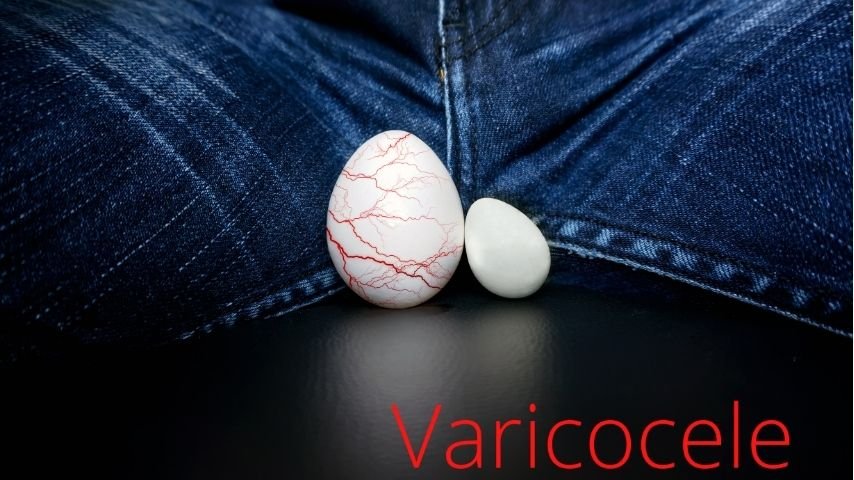
Varicocele embolization is a minimally invasive procedure used to treat enlarged veins in the scrotum without surgery. A thin tube is inserted through a small blood vessel, usually from the wrist or groin, and guided to the affected veins. Tiny coils or agents are used to block abnormal blood flow, which reduces pressure and swelling. Over time, this helps relieve symptoms like heaviness, pain, and fertility concerns related to varicocele and testosterone levels. The procedure avoids cuts or stitches and usually allows a quicker and smoother recovery compared to surgery.
Why patients want to know the real experience
When people hear about varicocele embolization, the first question is rarely about the technical details. Most patients want to know what it actually feels like. They are concerned about pain, discomfort, and how the procedure will affect their daily life.
Medical explanations often sound complicated and do not describe the real experience in simple terms. This creates uncertainty and anxiety, especially for those who have never undergone a similar procedure.
Understanding the step-by-step experience helps reduce fear and makes the decision easier.
What happens before the procedure begins
Before the procedure, patients usually go through a basic evaluation to confirm the diagnosis and plan the treatment. The doctor explains the process and answers any questions.
On the day of the procedure, you are not put under full anesthesia. Instead, you are awake but relaxed with the help of mild medication. This allows you to stay comfortable without the risks of general anesthesia.
The area where the tube will be inserted, often the wrist or groin, is cleaned and numbed. Patients usually feel a small pinch during the injection of the numbing medicine, followed by a sensation of pressure rather than pain.
What it feels like during the procedure
Once the area is numb, a thin tube is inserted into the blood vessel. Most patients do not feel pain during this step, but they may notice a slight pushing or pressure sensation.
As the tube is guided toward the affected veins using imaging, there is usually no noticeable feeling inside the body. This often surprises patients, as they expect to feel movement.
When the coils or agents are released to block the veins, some patients feel a mild warmth or a brief pulling sensation. This is not sharp pain but a temporary and unusual feeling.
The procedure typically takes about one to two hours, during which patients remain comfortable and closely monitored.
What happens immediately after the procedure
After the procedure, patients are moved to a recovery area where they are observed for a few hours. This is when the body begins to adjust to the changes in blood flow.
Some people experience mild discomfort in the groin or lower abdomen. There may also be a dull ache in the scrotum, which is usually manageable.
Fatigue is common during this time, as the body responds to the procedure. Most patients are able to go home the same day.
The first few days after embolization
The first two to three days after the procedure are when most of the noticeable symptoms occur. Patients often describe a mild aching or heaviness in the treated area.
This discomfort is usually less intense than expected and can be managed with simple medication. The body is adjusting to the new blood flow pattern, which can create temporary sensations during the varicocele embolization recovery time.
There may also be slight bruising or tenderness at the insertion site. Rest during this period helps improve comfort.
How recovery feels after the first week
By the end of the first week, most patients notice a clear improvement. The discomfort reduces significantly, and daily activities become easier.
Unlike surgery, there are no stitches or large wounds to heal. This allows patients to return to normal routines much sooner.
Physical activity can usually be resumed gradually, depending on the doctor’s advice. Many patients feel that recovery is quicker and less restrictive than they expected.
When patients start noticing results
The results of varicocele embolization are not immediate. The veins begin to shrink gradually as blood flow is redirected.
Patients may start to notice a reduction in heaviness and discomfort within a few weeks. Over time, the improvement becomes more noticeable.
If fertility was a concern, changes may take longer to observe, as the body needs time to adjust and recover.
This gradual improvement reflects the natural healing process.
How patients describe the overall experience
Most patients describe the experience as much easier than they expected. The idea of a procedure involving blood vessels can sound intimidating, but the actual process is usually comfortable.
The most common feedback is that the discomfort is mild and temporary. Compared to surgery, the recovery feels shorter and less disruptive, especially when considering varicocele embolization cost vs surgery.
Patients also appreciate that there are no visible scars and that they can return to daily life quickly.
Emotional experience before and after
Before the procedure, it is normal to feel nervous or uncertain. Many patients worry about pain or complications.
After the procedure, most feel relieved once they realize that the discomfort is manageable and temporary. As symptoms improve, confidence increases.
Understanding what to expect plays a major role in reducing anxiety and improving the overall experience.
When to contact your doctor
While most patients recover without issues, it is important to stay aware of your symptoms. If you experience severe pain, fever, or unusual swelling, you should contact your doctor.
Regular follow-up ensures that recovery is progressing well and that the treatment has been effective.
Looking at the bigger picture
Varicocele embolization is not just about the procedure itself. It is about improving comfort, reducing symptoms, and restoring confidence in daily life.
Understanding the real experience helps set realistic expectations. It allows patients to approach treatment with clarity rather than fear.
Conclusion
Varicocele embolization is generally a comfortable and manageable procedure, with most discomfort occurring in the first few days after treatment. The experience is often easier than expected, especially compared to surgery. If you are considering this treatment, speak with your doctor and understand each step clearly. Knowing what to expect helps you feel prepared and confident, making the entire process smoother and less stressful.