Is Knee Pain Normal After 30? What People Are Experiencing and Ignoring
Medicine Made Simple
Genicular Artery Embolization (GAE) is a minimally invasive procedure used to reduce knee pain caused by inflammation in osteoarthritis. Doctors insert a thin tube through a blood vessel and guide it to the arteries around the knee. Tiny particles are released to reduce abnormal blood flow linked to pain and swelling. Over time, this helps decrease inflammation and improve joint comfort. GAE does not involve surgery or joint replacement, making it a treatment option for people who want to manage knee pain while preserving their natural knee.
Why knee pain after 30 feels surprising
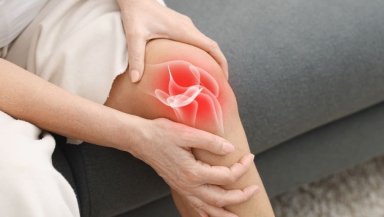
Many people believe that knee pain is something that only happens in old age. So when discomfort starts in the early 30s, it often comes as a surprise. It may begin as a mild ache after a long day, or a stiffness that appears after sitting for extended periods.
Because the pain is not severe at first, it is often ignored or blamed on temporary factors such as fatigue, exercise, or posture. However, these early signs can indicate that changes are already happening inside the knee joint.
Understanding that knee health can begin to change earlier than expected helps people take symptoms more seriously.
What changes begin in the knee after 30
As the body ages, even slightly, natural wear and tear begin to affect the joints. The cartilage in the knee, which acts as a cushion between bones, may start to lose some of its strength and flexibility.
At the same time, the fluid that helps lubricate the joint may not function as efficiently as before. This can make movement less smooth and increase friction inside the joint.
Muscle strength around the knee may also decrease if physical activity levels drop. This reduces support for the joint and increases the load on the knee during daily movements.
These changes are gradual, but they can lead to noticeable discomfort over time.
Why people ignore early symptoms
Knee pain after 30 is often mild and inconsistent. It may come and go, making it easy to dismiss. Many people assume it is a temporary issue that will resolve on its own.
There is also a tendency to normalize the pain. People often think that occasional discomfort is a natural part of aging and not something that needs attention.
Because the symptoms do not immediately interfere with daily life, they are often pushed aside until they become more frequent or intense.
Common experiences people talk about
Many individuals in their 30s describe similar patterns of knee discomfort. There may be stiffness in the morning or after sitting for long periods. Some notice pain while climbing stairs, squatting, or getting up from a chair.
Others feel a dull ache after walking long distances or standing for extended periods. There may also be a sensation of tightness or mild swelling around the knee, sometimes resembling early pain and swelling after knee replacement-type concerns in later stages.
These experiences are often shared in discussions but are rarely connected to early joint changes by the individuals experiencing them.
How lifestyle plays a major role
Lifestyle factors have a strong influence on knee health, especially after the age of 30. Sedentary habits, such as sitting for long hours, can weaken the muscles that support the knee.
On the other hand, sudden intense physical activity without proper conditioning can strain the joint. This is common in people who start exercising after a long break.
Excess body weight increases the load on the knee with every step. Over time, this added pressure accelerates wear and contributes to discomfort.
Poor posture and improper movement patterns can also place uneven stress on the joint, leading to gradual changes.
Early osteoarthritis can start sooner than expected
One of the most common causes of knee pain after 30 is early osteoarthritis. This condition develops slowly and may begin long before noticeable damage appears on imaging tests.
In the early stages, inflammation plays a major role. The body reacts to small changes in the joint by increasing blood flow and sensitivity in the area.
This makes the knee more responsive to pressure and movement, leading to pain even when structural damage is minimal.
Recognizing this early stage is important because it allows for timely management.
Why the pain keeps coming back
Many people notice that their knee pain improves with rest but returns once they resume normal activities. This pattern can be confusing and frustrating.
The reason this happens is that rest only reduces temporary irritation. It does not address the underlying inflammation or joint changes.
As soon as the knee is used again, the same stress is applied, and the symptoms return. This cycle continues until the root cause is managed properly.
When should you take knee pain seriously
Occasional discomfort may not always be a cause for concern, but persistent or recurring pain should not be ignored. If the pain is becoming more frequent or affecting daily activities, it is important to seek medical advice.
Stiffness, swelling, or reduced range of motion are also signs that the joint needs attention. If simple activities like walking or climbing stairs start to feel uncomfortable, it is time to investigate further.
Early evaluation helps prevent the condition from progressing and allows for better treatment outcomes, potentially avoiding a long knee replacement rehab timeline later.
How doctors evaluate knee pain
Doctors begin by understanding your symptoms and lifestyle. They assess how the pain started, what activities trigger it, and how it affects your routine.
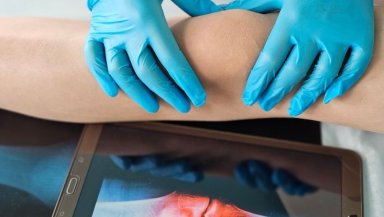
A physical examination helps evaluate joint movement, strength, and areas of tenderness. Imaging tests such as X-rays or MRI scans may be used to look at the condition of the joint.
These steps help determine whether the pain is due to early osteoarthritis or another issue.
Where genicular artery embolization helps
When knee pain is linked to inflammation, treatments like genicular artery embolization can play an important role. GAE targets the abnormal blood vessels that contribute to inflammation in the knee.
By reducing this blood flow, the procedure helps decrease inflammation and pain signals. Over time, this leads to improved comfort and better joint function.
It allows patients to manage their symptoms without undergoing major surgery. This makes it especially useful for those in the early stages of joint problems, before considering options like robotic vs traditional knee replacement.
Emotional impact of early knee pain
Experiencing knee pain at a younger age can be unsettling. Many people feel concerned about what it means for their future mobility and lifestyle.
There may be frustration when the pain keeps returning despite rest or basic treatment. This uncertainty can affect confidence in physical activity.
Understanding the cause and knowing that treatment options are available helps reduce anxiety and encourages proactive care.
Looking at the bigger picture
Knee pain after 30 is not uncommon, but it should not be ignored. It is often an early signal that the joint needs attention and care.
Addressing the issue early helps prevent further damage and maintain long-term joint health. It also opens the door to less invasive treatment options.
Conclusion
Knee pain after 30 may feel normal, but it is often a sign of early joint changes that should not be ignored. Paying attention to symptoms and seeking timely medical advice can make a significant difference. Treatments like genicular artery embolization offer a non-surgical way to manage pain and improve mobility. If knee discomfort is becoming a regular part of your life, consult a specialist and take the first step toward better joint health.