Hysterectomy vs Less-Invasive Alternatives: What Women Are Asking Before Surgery

Medicine Made Simple Summary
When a doctor first mentions the word “hysterectomy”, most women freeze for a moment. It is not just a medical term—it feels like a life-altering decision. The idea of removing an organ so closely tied to womanhood, menstruation, and fertility naturally creates anxiety, confusion, and fear. But here is something most women don’t realize early enough: A hysterectomy is not always the first option, and it is not always the only option. Modern medicine now offers several less-invasive alternatives that can treat the same conditions without removing the uterus. So why do some women still undergo hysterectomies? And when is it genuinely unavoidable?
This article breaks it all down in the simplest way possible—comparing hysterectomy with less-invasive treatments, answering the most common questions women ask before surgery, and helping you understand the right treatment for your body and life stage.
What Exactly Is a Hysterectomy?
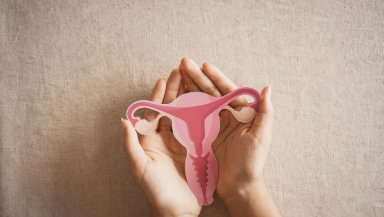
A hysterectomy is a surgical procedure in which the uterus (womb) is removed. Once this happens, menstruation stops permanently, and pregnancy is no longer possible.
Sometimes, the surgery also involves removing one or both ovaries and fallopian tubes depending on the patient’s condition.
The uterus plays three major roles:
- It supports pregnancy
- It produces menstrual bleeding
- It influences hormones indirectly through ovarian function
Because of this, removing it can affect not just reproductive health, but also physical and emotional wellbeing.
Hysterectomy is typically advised in conditions such as:
- Severe fibroids
- Chronic pelvic pain
- Adenomyosis
- Endometriosis (in advanced cases)
- Heavy menstrual bleeding unresponsive to treatment
- Uterine prolapse
- Gynecological cancers
But the key question women ask is:
“Do I really need to remove my uterus to fix this problem?”
The answer is: Not always.
Why Are Doctors Moving Toward Less-Invasive Options?
Medicine today prefers to preserve organs whenever possible.
This means:
- Treating disease without removing healthy tissue
- Minimizing surgical trauma
- Allowing faster recovery
- Protecting fertility and hormonal function
- Preserving natural anatomy whenever safe to do so
Less-invasive treatments target the condition without removing the uterus—which is especially important for younger women, women who want children, or those who simply want to avoid major surgery.
Common Conditions and Their Non-Surgical Alternatives
Let us look at the most common reasons women are offered hysterectomy—and what alternatives exist today.
1. Fibroids – One of the Biggest Reasons for Hysterectomy
Fibroids are non-cancerous growths in or around the uterus that can cause:
- Heavy periods
- Painful cramps
- Pressure in the pelvis
- Frequent urination
- Swelling in the abdomen
- Difficulty getting pregnant
In the past, doctors recommended hysterectomy for “large” or “multiple” fibroids without much discussion.
Today, the thinking has changed.
Safer Options Without Removing the Uterus:
Myomectomy
This surgery removes only the fibroids while keeping the uterus intact. It is suitable for women who wish to preserve fertility or simply want to retain their uterus.
Uterine Artery Embolization (UAE)
This is a radiology-based technique that cuts off the blood supply to fibroids, making them shrink naturally.
Hormonal Therapy and Medications
Certain medications can shrink fibroids temporarily and control bleeding.
MRI-Guided Focused Ultrasound
A non-invasive treatment that uses sound waves to target fibroids without surgery.
When Is Hysterectomy Still Recommended?
- When fibroids are extremely large
- When bleeding leads to severe anemia
- When multiple treatments have failed
- When cancer is suspected
- When symptoms severely impact daily life
2. Heavy Periods – A Very Common Complaint
Millions of women suffer silently from periods that feel endless, exhausting, and socially limiting.
But heavy bleeding does not automatically mean hysterectomy.
Alternatives to Consider:
Hormonal Intrauterine Device (IUD)
Controls bleeding effectively in many women.
Endometrial Ablation
Destroys the uterine lining so periods become lighter or stop entirely.
Hormone Therapy
Oral pills regulate cycles and reduce blood loss.
When Is Surgery Necessary?
If bleeding:
- Does not respond to medication
- Is linked to cancer
- Causes severe anemia
- Affects quality of life permanently
3. Endometriosis – A Complicated Condition
Endometriosis happens when tissue similar to the uterine lining grows outside the uterus, causing:
- Painful sex
- Severe cramps
- Infertility
- Lower back pain
- Digestive symptoms
Some women are told hysterectomy is the "only cure".
The truth:
Hysterectomy is not a cure for endometriosis by default.
Smarter Approaches Include:
- Surgical removal of endometriosis tissue
- Hormonal therapies
- Pain management strategies
- Fertility-preserving surgeries
Hysterectomy may help in selected cases—but is never a universal solution.
4. Uterine Prolapse – When the Uterus Slips Down
This happens when pelvic muscles weaken and the uterus drops into or outside the vagina.
Alternatives Before Hysterectomy:
- Pelvic floor therapy
- Vaginal pessaries (support devices)
- Uterine-sparing prolapse surgery
Hysterectomy becomes necessary only when conservative measures fail or complications arise.
What Do Women Really Ask Before Saying Yes?
Here are the exact questions women ask—and honest answers:
“Will removing my uterus change who I am?”
Physically, your body will not become “less female”.
Emotionally, however, many women grieve silently after the surgery. Feeling a sense of loss is real and valid.
Talk openly about emotional preparation—because healing isn’t just physical.
“Will I go into menopause?”
Only if the ovaries are removed.
If ovaries remain, hormones continue but may decline earlier than usual.
“Will my sex life change?”
Some women experience improvement due to resolution of pain.
Others may face vaginal dryness or emotional blocks.
Response varies by:
- Hormonal status
- Emotional readiness
- Surgical method
- Pain relief outcomes
“Is less-invasive surgery always better?”
Not always.
Less-invasive does not mean:
- Risk-free
- Suitable for everyone
- Guaranteed success
In cancer, uncontrolled bleeding, and severe disease, hysterectomy may be the safest choice.
Hysterectomy Is Not Failure. It Is Also Not the Only Solution.
Choosing hysterectomy does NOT mean:
- You waited too long
- You failed at treatment
- You took the easy way out
It means:
You chose survival, comfort, and relief.
But choosing alternatives does not mean denial either. It means informed decision-making.
Making the Right Choice for You
You should consider:
✔ Your age
✔ Desire for children
✔ Severity of symptoms
✔ Previous treatments
✔ Mental readiness
✔ Family support
✔ Fear vs facts
✔ Long-term healthcare access
Never rush into surgery because someone else decided your life for you.
Red Flags That Mean You MUST Get a Second Opinion
If:
- Surgery is suggested at the first visit
- Alternatives were not discussed
- Your fears are dismissed
- You are made to feel guilty
- No scan or biopsy was done
- You are told “this is normal” despite pain
These are signs to pause.
Conclusion
A hysterectomy is not evil. Alternatives are not magic. Every body is different. Every diagnosis is unique.
Less-invasive treatments have changed women's healthcare forever. But hysterectomy still saves lives. The key is choice with clarity—not fear-based decisions.