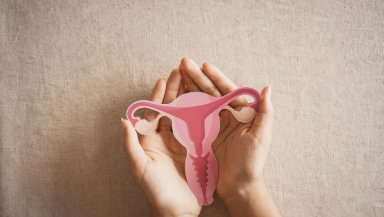
Hysterectomy Myths vs Facts

Medicine Made Simple Summary
Hysterectomy is one of the most misunderstood medical procedures for women. Many believe it changes who you are, ruins relationships, or signals the end of an active life. In truth, most fears around hysterectomy are based on myths, not medicine. This article clearly separates what is true from what is exaggerated or wrong. It explains how hysterectomy affects the body, hormones, emotions, and daily life using simple, honest language. When women understand the reality behind the surgery, they are able to make decisions based on facts instead of fear.
Introduction: Why Are There So Many Myths About Hysterectomy?
Hysterectomy does not come with just physical impact. It comes wrapped in emotion, tradition, and misunderstanding. For many cultures, the uterus is not just an organ. It is tied to ideas about femininity, motherhood, and identity. So, when surgery is advised, fear naturally follows.
What makes the situation worse is how easily misinformation spreads. A single bad experience gets repeated until it sounds like a rule. Stories pass through families without medical context. Over time, myths become louder than science.
This article exists to replace fear with clarity. Not to dismiss emotions, but to ground them in truth.
Myth 1: “If My Uterus Is Removed, I Am No Longer a Woman”
This is one of the deepest and most painful beliefs many women carry. The idea that womanhood is located in an organ is not medical truth. Womanhood is not defined by one part of the body. It is defined by personality, experiences, emotions, relationships, and strength.
A hysterectomy removes a diseased organ, not a woman’s worth. No surgery has the power to reduce identity. Women do not lose their role in family or society because of this procedure. They do not become “less.”
For many, confidence improves after surgery because constant pain, unpredictable bleeding, and illness no longer control their days. The body becomes a place of comfort again, not suffering.
Myth 2: “A Hysterectomy Will Destroy My Sex Life”
Fear about intimacy is one of the primary reasons women delay surgery. The fear is understandable, but it is rarely accurate.
A hysterectomy does not remove the vagina. It does not remove desire. It does not erase intimacy.
In fact, many women report improved sexual life after surgery. When pain, fear of bleeding, and fatigue disappear, comfort returns. Confidence improves. Relationships heal.
If ovaries are preserved, hormones remain stable and sexual drive continues as before. If ovaries are removed, treatment options like hormone therapy help restore balance.
Sexual satisfaction is influenced by comfort, trust, emotional safety, and communication. A uterus does not control these things.
Myth 3: “Hysterectomy Means Instant Old Age”
This myth comes from confusion between hysterectomy and menopause.
If the ovaries remain, the body does not enter menopause immediately. The woman will reach menopause naturally when her body is ready.
If ovaries are removed, menopause begins sooner. But menopause is not ageing. It is a change in function, not a collapse of life quality.
Women often become healthier in midlife because they finally pay attention to their bodies. Strength is built through better habits, not lost because of surgery.
Many women feel younger after hysterectomy because disease is no longer draining energy.
Myth 4: “Everyone Gains Weight After Surgery”
Weight gain is a common fear.
Hysterectomy itself does not cause weight gain. Reduced movement during illness does. Emotional eating does. Hormonal changes can cause minor shifts if ovaries are removed, but they are manageable.
When pain stops, energy returns. Activity increases. Healthy routines become possible again.
Weight is not determined by surgery. It is influenced by lifestyle.
The body remains capable of strength and fitness after hysterectomy.
Myth 5: “Hysterectomy Will Harm My Mental Health”
Some fear long-term depression after surgery.
In many cases, the opposite happens. Chronic illness silently damages mental health. Continuous pain, broken sleep, fear of bleeding, and exhaustion create anxiety and sadness.
After surgery, many women feel lighter mentally. They sleep better. They worry less. Their confidence returns. Some women may experience grief, especially related to fertility. This is natural and valid.
Grief is not illness. Support, therapy, and time help emotions settle just as the body heals.
Myth 6: “You Will Be in Bed for Months”
Modern medicine has changed recovery completely. Most hysterectomies are minimally invasive. Recovery is quicker and easier than before. Many women return home fast. Walking happens early. Pain is controlled. Strength gradually returns.
Returning to normal life often takes weeks, not months. Surgery today focuses on healing, not suffering.
Myth 7: “Doctors Push Surgery for Profit”
This myth builds distrust. Doctors are trained to preserve organs, not remove them. Before surgery is offered, patients usually try medicines, therapy, and less invasive procedures. Hysterectomy is advised when these fail or when risk becomes serious. If ever unsure, second opinions exist. Truth stands firm under questioning.
Fact 1: Periods Stop Forever
This is medical truth. With no uterus, menstrual bleeding ends permanently. For many women, this is relief after years of struggle.
Fact 2: Pregnancy Is No Longer Possible
This is important to understand fully. Once the uterus is removed, pregnancy cannot happen. This factor must be discussed carefully and emotionally with younger women.
Fact 3: Hormones Depend on the Ovaries
- If ovaries remain, hormones remain.
- If ovaries are removed, menopause begins.
- Doctors do everything possible to preserve ovaries when safe, especially in younger women.
- Hormonal health is not taken lightly.
Fact 4: Many Women Feel Better After Surgery
- Pain disappears.
- Bleeding stops.
- Energy improves.
- Life opens up again.
- Hysterectomy often returns quality of life, not removes it.
The Real Danger Is Not Surgery. It Is Fear.
Myths delay treatment. Delay allows disease to grow. Complicated disease requires complicated surgery. Fear harms more than facts ever could. Knowing the truth saves time. Time saves health.
How to Stay Safe from Misinformation
- Listen to medical professionals.
- Use reliable health sources.
- Avoid sensational stories online.
- Choose clarity over drama.
- Knowledge protects.
Conclusion
If hysterectomy has been advised or mentioned, talk openly to your doctor. Ask questions. Seek understanding. Do not allow fear or stories to guide your health choices. Information brings power. Power restores peace.