High Platelet Volume: Causes, Symptoms, and Treatment Options
Medicine Made Simple
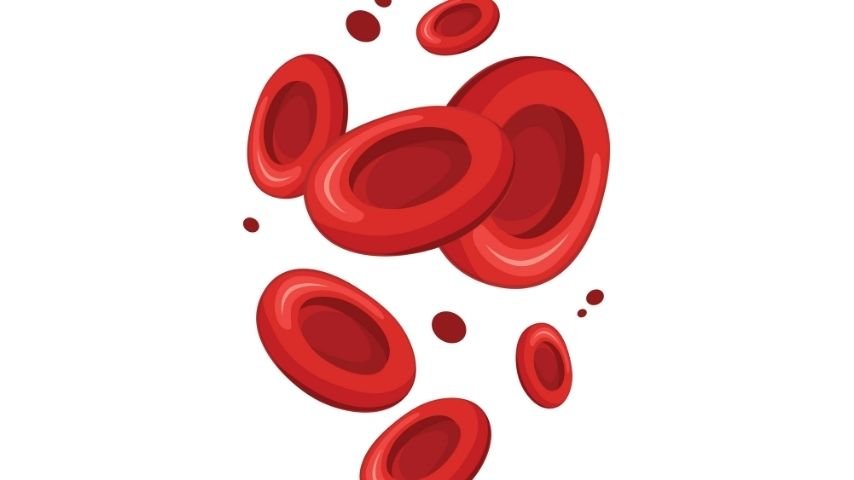
Platelets are small blood cells that help the body form clots to stop bleeding. When platelet levels become too high, the condition is known as thrombocytosis or high platelet count. In some cases, a high high platelet volume may indicate that the platelets are larger and more active, which can increase the risk of clotting.
Understanding the causes of high platelet count, recognizing symptoms early, and seeking appropriate treatment of high platelet count are important steps to maintain healthy blood circulation and prevent complications.
Introduction: Understanding High Platelet Count
Platelets are produced in the bone marrow and play an essential role in blood clotting. A normal platelet count usually ranges between 150,000 and 450,000 platelets per microliter of blood.
When platelet levels rise above the normal range, the condition is referred to as thrombocytosis. Elevated platelets may increase the risk of blood clots, which can lead to serious health problems such as stroke or heart attack.
Another related laboratory parameter is high platelet volume, often referred to as mean platelet volume (MPV). A higher platelet volume means platelets are larger and possibly more active in clot formation.
Although some cases are mild and temporary, persistent high platelet counts should always be evaluated by a healthcare professional.
Causes of High Platelet Count
There are several possible causes of high platelet count, and they generally fall into two categories: primary thrombocytosis and secondary thrombocytosis.
Primary Thrombocytosis
Primary thrombocytosis occurs when the bone marrow produces too many platelets due to abnormal cell production. This condition is also known as essential thrombocythemia.
It may be associated with bone marrow disorders and requires careful medical monitoring.
Secondary (Reactive) Thrombocytosis
Secondary thrombocytosis is more common and occurs as a response to another condition.
Common triggers include:
- Infections
- Inflammatory diseases
- Iron deficiency anemia
- Recent surgery or trauma
- Chronic inflammatory conditions
- Certain cancers
Treating the underlying cause often helps normalize platelet levels.
Splenectomy (Removal of Spleen)
The spleen helps remove excess platelets from circulation. When the spleen is removed, platelet levels may increase because the body loses this filtering function.
Blood Loss or Recovery from Bleeding
After significant blood loss or recovery from severe bleeding, the body may temporarily produce more platelets to support clotting.
Signs and Symptoms of High Platelets
In many cases, people with high platelet counts may not experience noticeable symptoms. However, some individuals may develop symptoms related to abnormal blood clotting.
Common symptoms include:
- Headaches
- Dizziness or lightheadedness
- Chest pain
- Weakness or fatigue
- Numbness or tingling in hands and feet
- Vision changes
In severe cases, blood clots may develop in arteries or veins, which can cause more serious complications.
Recognizing symptoms early helps identify the need for medical evaluation.
Diagnosis and Blood Tests for High Platelets
Doctors usually diagnose high platelet counts through routine blood tests.
Complete Blood Count (CBC)
A complete blood count test measures the number of platelets in the blood. It also evaluates other blood components such as red blood cells and white blood cells.
Mean Platelet Volume (MPV) Test
The MPV test measures high platelet volume, indicating the average size of platelets in the bloodstream.
Higher MPV values may suggest increased platelet activity.
Additional Tests
If platelet levels are significantly elevated, doctors may perform additional tests such as:
- Iron level tests
- Inflammatory marker tests
- Bone marrow examination
- Genetic testing for bone marrow disorders
These tests help determine the underlying cause of high platelet counts.
Treatment Options for High Platelet Count
The treatment of high platelet count depends on the underlying cause and the severity of the condition.
Treating Underlying Conditions
In cases of reactive thrombocytosis, treating the primary condition often brings platelet levels back to normal.
For example:
- Treating infections
- Correcting iron deficiency
- Managing inflammatory diseases
Blood-Thinning Medications
Doctors may prescribe blood thinners to reduce the risk of clot formation.
Common medications include low-dose aspirin, which helps prevent platelets from clumping together.
Platelet-Lowering Therapy
In some cases, medications may be used to reduce platelet production in the bone marrow.
These treatments are usually recommended for individuals at higher risk of blood clots.
Medications Used to Manage High Platelets
Certain medications are used to control platelet levels and reduce complications.
Examples include:
- Hydroxyurea – helps reduce platelet production
- Anagrelide – lowers platelet counts
- Low-dose aspirin – prevents clot formation
These medications should only be used under medical supervision.
Lifestyle and Dietary Changes to Support Healthy Platelet Levels
Healthy lifestyle habits can help maintain balanced platelet levels.
Important strategies include:
Balanced Diet
Eating nutrient-rich foods supports healthy blood production.
Beneficial foods include:
- Fruits and vegetables
- Whole grains
- Healthy fats such as olive oil
- Omega-3 rich foods like fish
Regular Physical Activity
Exercise improves blood circulation and supports cardiovascular health.
Activities such as walking, swimming, and cycling can help maintain healthy blood flow.
Proper Hydration
Drinking enough water helps maintain healthy blood consistency and circulation.
Avoid Smoking
Smoking increases clotting risk and damages blood vessels. Quitting smoking significantly improves blood health.
Possible Complications of Untreated High Platelets
If left untreated, high platelet levels may lead to complications such as:
- Blood clots in arteries or veins
- Stroke
- Heart attack
- Deep vein thrombosis
- Pregnancy complications
In rare cases, extremely high platelet counts may cause bleeding problems instead of clotting.
Regular medical monitoring helps prevent these complications.
Monitoring and Follow-Up Care
Patients diagnosed with thrombocytosis often require regular monitoring.
Doctors may recommend:
- Periodic blood tests
- Monitoring platelet counts
- Follow-up visits to assess treatment response
Consistent monitoring ensures that platelet levels remain within safe limits.
Conclusion
High platelet counts can occur due to various medical conditions, infections, or bone marrow disorders. Understanding causes of high platelet count, recognizing symptoms, and seeking appropriate treatment of high platelet count are essential for maintaining good health.
Regular medical monitoring, proper treatment, and healthy lifestyle choices can help manage platelet levels and reduce the risk of complications. With early diagnosis and proper care, most individuals with high platelet counts can maintain normal blood function and overall well-being.
Frequently Asked Questions
What causes a high platelet count?
Common causes of high platelet count include infections, inflammation, iron deficiency anemia, certain cancers, and bone marrow disorders.
How is high platelet count diagnosed?
Doctors diagnose high platelet counts through blood tests such as a complete blood count (CBC) and mean platelet volume (MPV) test.
What are the symptoms of high platelet count?
Symptoms may include headaches, dizziness, fatigue, chest pain, numbness in the limbs, or vision changes.
How can high platelets be treated naturally?
Healthy lifestyle habits such as balanced nutrition, regular exercise, proper hydration, and avoiding smoking may help support healthy platelet levels.
What medications are used to manage high platelet count?
Medications such as low-dose aspirin, hydroxyurea, and anagrelide may be prescribed to control platelet levels.
Can diet and lifestyle changes help reduce platelet levels?
Yes, maintaining a healthy diet, exercising regularly, and avoiding smoking can help support balanced platelet levels.
What complications can arise from untreated high platelet count?
Untreated high platelet levels may increase the risk of blood clots, stroke, heart attack, and other cardiovascular complications.