HPV Vaccination and Head & Neck Cancer: What Adults Need to Know
Medicine Made Simple Summary
HPV vaccination protects against high-risk HPV types that can cause HPV-related head and neck cancer overview. The vaccine works best when given before exposure to HPV, but it can still provide benefits for some adults. Vaccination does not treat existing cancer or active HPV infection, but it helps prevent future infections with cancer-causing strains. Understanding who should get vaccinated, when it helps, and what it does and does not do can reduce confusion and support informed decisions for individuals and families.
Why HPV Vaccination Matters for Head and Neck Cancer
Human papillomavirus is now one of the leading causes of head and neck cancers, especially cancers of the tonsils and base of the tongue. Unlike smoking-related cancers, HPV-related cancers often affect younger, otherwise healthy adults.
HPV vaccination was originally introduced to prevent cervical cancer. Over time, strong evidence has shown that the same high-risk HPV types also cause head and neck cancer. Preventing infection with these types reduces the risk of oral HPV cancer progression years later.
What the HPV Vaccine Actually Does
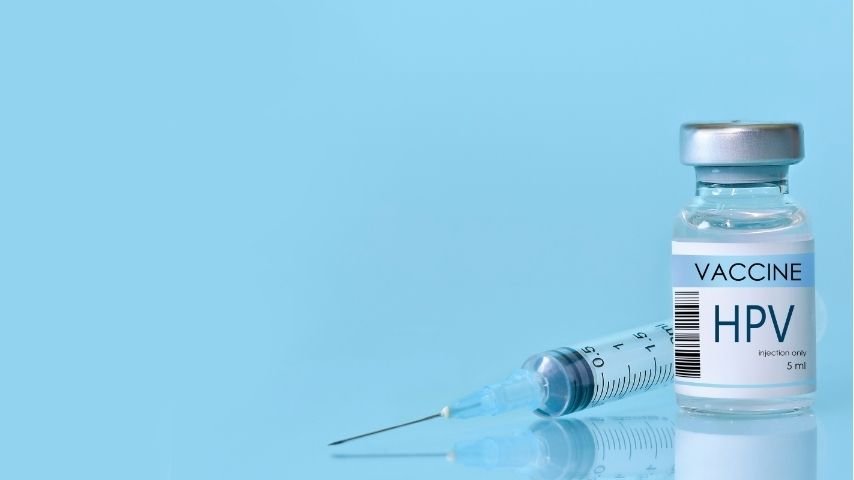
The HPV vaccine helps the immune system recognize and block specific high-risk HPV types before they cause infection. It does not contain live virus and cannot cause HPV infection.
Important points to understand
- The vaccine prevents new HPV infections
- It does not clear existing HPV infections
- It does not treat cancer or precancer
- Protection is long-lasting
By stopping infection early, the vaccine prevents the slow chain of events that can eventually lead to cancer.
Which HPV Types Are Linked to Head and Neck Cancer
Most HPV-related head and neck cancers are caused by HPV type 16. Modern HPV vaccines protect against this type.
This is why vaccination is considered an important cancer-prevention tool, not just a protection against sexually transmitted infection. It also highlights the ongoing role of tobacco and cancer risk in head and neck cancers.
Who Should Get the HPV Vaccine
HPV vaccination is most effective when given before any exposure to the virus. For this reason, it is routinely recommended for adolescents.
However, adults often ask whether vaccination still makes sense later in life. The answer depends on age and individual circumstances.
General recommendations include
- Routine vaccination in early adolescence
- Catch-up vaccination in young adults
- Selective vaccination in some adults after discussion with a doctor
Even adults who may have been exposed to HPV can still benefit because they may not have encountered all covered types.
HPV Vaccination for Adults
Adults up to the mid-40s may be eligible for HPV vaccination in some settings. While the benefit is lower than in adolescents, it is not zero.
Vaccination may still help prevent future infections with HPV types not previously encountered and can complement HPV-positive head and neck cancer treatment strategies if needed. A healthcare provider can help assess whether vaccination is appropriate.
Common Myths About HPV Vaccination
There are many misunderstandings about HPV vaccination that cause unnecessary hesitation.
Common myths include
- Believing the vaccine is only for women
- Thinking it promotes sexual activity
- Assuming it is useless after adulthood
- Worrying it causes infertility or serious harm
Scientific evidence does not support these concerns. The vaccine has been widely studied and monitored for safety.
Safety and Side Effects
HPV vaccines have an excellent safety record. Most side effects are mild and temporary.
Typical side effects include
- Soreness at the injection site
- Mild fever
- Fatigue
- Headache
Serious side effects are very rare. The benefits of cancer prevention far outweigh the risks.
Can Vaccination Help After an HPV-Related Cancer Diagnosis
HPV vaccination does not treat existing cancer or eliminate HPV already present in the body. However, it may still have a role in preventing future infections with other HPV types.
Some patients and survivors choose vaccination after discussing potential benefits with their doctors. This decision is individualized.
What Vaccination Means for Partners and Family
Vaccination is a preventive step, not a response to exposure. Partners of patients with HPV-related head and neck cancer do not need special testing or urgent vaccination.
However, eligible family members, especially adolescents and young adults, should follow routine vaccination recommendations to reduce future cancer risk.
Why Vaccination Will Not Immediately Reduce Cancer Rates
HPV-related head and neck cancer develops slowly, often over decades. This means the impact of vaccination on cancer rates will take time to appear.
Current cases reflect infections that happened many years ago. The full benefit of widespread vaccination will be seen in future generations.
HPV Vaccination and Stigma
Because HPV is sexually transmitted, vaccination sometimes carries social stigma. This stigma can discourage open discussion and prevention.
Reframing the vaccine as a cancer-prevention tool rather than a sexual health issue helps normalize its use and importance.
What Doctors Want Patients to Understand
Doctors emphasize that HPV vaccination is about prevention, not judgment. It protects against a virus that most people are exposed to at some point in life.
Choosing vaccination is a proactive health decision, similar to other routine immunizations.
What Patients and Parents Often Ask
People commonly ask whether vaccination is still useful, whether it is safe, and whether it is truly necessary. These questions are reasonable.
Clear answers help families make confident decisions based on evidence rather than fear.
A Long-Term View of Prevention
Preventing cancer is always better than treating it. HPV vaccination is one of the few tools that can prevent a known cause of head and neck cancer.
Combined with awareness of symptoms and early evaluation, vaccination forms a strong foundation for reducing future disease burden.
Conclusion
If you are considering HPV vaccination for yourself or a family member, discuss it with your healthcare provider. Understanding who benefits and why can help you make an informed decision that supports long-term cancer prevention.
References and Sources