Body Image and Confidence After Mastectomy — Coping Strategies That Help
Medicine Made Simple Summary
After a mastectomy, many patients struggle with how they see their body and how confident they feel. Changes such as scars, loss of a breast, numbness, and altered shape can affect self-image, intimacy, and emotional well-being. These feelings are common and do not mean something is wrong. Confidence usually rebuilds slowly with time, support, and self-compassion. Understanding why body image changes happen and how people cope helps patients and families approach recovery with patience and reassurance.
Introduction
For many patients, the physical healing after mastectomy is only part of recovery. How a person feels about their body, identity, and confidence often becomes one of the most challenging parts of the journey. These changes may not be visible to others, but they can deeply affect daily life.
This article explains body image and confidence after mastectomy in simple language. It is written for patients and families who want to understand why these feelings happen and how people gradually regain comfort and confidence in their bodies.
Why Body Image Changes After Mastectomy
Body image is shaped by how we see ourselves and how we believe others see us. A mastectomy changes the body in a very personal way. The breast is often closely linked to femininity, sexuality, and identity, even for people who never consciously thought about it before surgery.
After mastectomy, the chest looks different. There may be scars, swelling, or a flat area. Sensation is often reduced or altered. These changes can make the body feel unfamiliar, which affects self-confidence.
In addition, cancer itself changes how people relate to their bodies. Many patients describe feeling betrayed by their body or disconnected from it. These emotional reactions are normal and expected.
Common Feelings Patients Experience
There is no single emotional response after mastectomy. Many patients feel a mix of emotions that change over time.
Some feel relief that the cancer has been removed. Others feel grief for the loss of their breast. Some feel strong and proud of surviving, while others feel vulnerable or sad.
Feelings of embarrassment or self-consciousness are common, especially when thinking about clothes, mirrors, or intimacy. These feelings do not mean a person is ungrateful or weak. They reflect adjustment to a major life change.
Seeing Your Body After Surgery for the First Time
The first time seeing the chest after mastectomy can be emotionally intense. Some patients choose to look immediately, while others avoid mirrors for days or weeks. Both reactions are normal.
The surgical area may look swollen, bruised, or uneven at first. This is not how it will look forever. Healing takes time, and the appearance continues to change over months.
Patients should move at their own pace. There is no requirement to feel comfortable right away.
How Confidence Is Affected in Daily Life
Loss of confidence can show up in small, everyday ways. Some patients feel uncomfortable wearing certain clothes or going out in public. Others feel hesitant in social situations or avoid activities they once enjoyed.
Confidence may also be affected by fatigue, hair loss from treatment, or weight changes. These combined effects can make patients feel unlike themselves.
It is important to remember that confidence often returns gradually, not suddenly.
Intimacy and Relationships After Mastectomy
Many patients worry about how mastectomy will affect intimacy and relationships. Concerns about attractiveness, touch, and acceptance are common.
Physical changes such as numbness or sensitivity can make touch feel different. Emotional vulnerability can also affect closeness.
Open communication with partners helps rebuild trust and connection. Many partners want to be supportive but may not know how unless guided.
Intimacy evolves over time. It may look different, but it can still be meaningful and fulfilling.
The Role of Reconstruction and Going Flat
Some patients choose breast reconstruction. Others choose not to. Both choices are valid and deeply personal.
Reconstruction can help some people feel more comfortable with their appearance. For others, it adds stress or does not improve confidence as expected.
Patients who choose to go flat may feel empowered by simplicity and comfort. Confidence is not determined by reconstruction choice, but by emotional adjustment and support.
There is no right decision, only the right decision for each individual.
How Time Changes Body Image
In the early weeks after surgery, body image concerns are often strongest. Over time, many patients notice that their emotional response softens.
Scars fade. Swelling reduces. The body begins to feel more familiar again.
As patients return to daily activities, work, and social life, confidence often improves naturally. Many people report that they eventually think less about their chest and more about living their lives.
Acceptance does not mean loving every change. It means feeling comfortable enough to move forward.
Coping Strategies That Patients Find Helpful
Many patients find that talking openly about their feelings reduces emotional burden. Sharing worries with a trusted person can be very relieving.
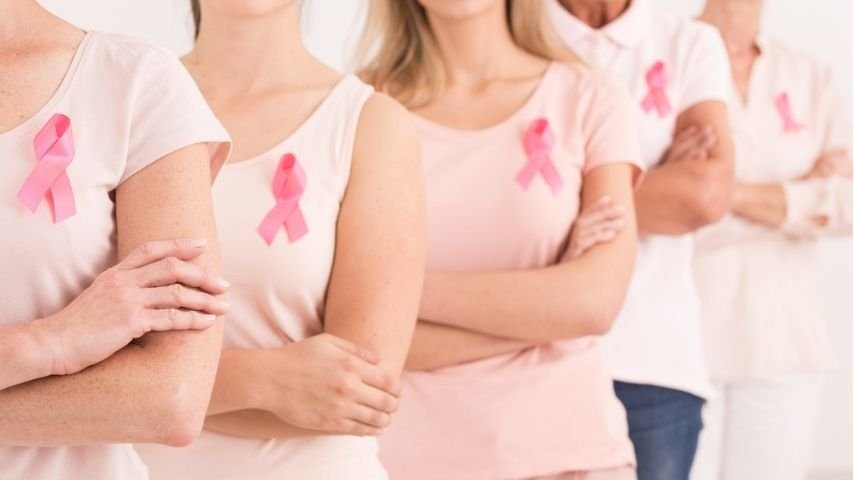
Some patients benefit from connecting with other breast cancer survivors. Hearing similar experiences helps reduce feelings of isolation.
Professional counseling can be especially helpful for body image concerns. Talking to someone trained in emotional health provides tools for coping and self-acceptance.
Small acts of self-care, such as gentle exercise, wearing comfortable clothes, or focusing on activities that bring joy, also support confidence.
Clothing and Appearance During Recovery
Clothing can strongly influence confidence after mastectomy. Soft, loose clothing often feels more comfortable early on.
Over time, many patients explore clothing styles that make them feel good, whether that includes prostheses, padded bras, or going flat.
There is no obligation to hide scars or to show them. Patients should choose what feels right for them.
Confidence grows when comfort is prioritized over expectations.
How Family and Friends Can Support Confidence
Well-meaning comments can sometimes hurt without intention. Statements that minimize feelings or rush positivity may make patients feel misunderstood.
Listening without judgment is one of the most powerful forms of support. Allowing patients to express sadness or frustration without trying to fix it helps emotional healing.
Respecting boundaries around body-related topics is important.
Support is about presence, not perfection.
When Body Image Struggles Need Extra Support
While emotional ups and downs are normal, some signs indicate the need for professional help. Persistent sadness, withdrawal from loved ones, or intense distress about appearance should be addressed.
Seeking help is not a failure. It is a healthy response to a major life change.
Mental health care is an essential part of cancer recovery.
Rebuilding Identity Beyond the Body
Many patients eventually discover that their sense of identity expands after cancer. Strength, resilience, and perspective often become more important than appearance.
Confidence begins to come from survival, not symmetry.
This shift does not erase loss, but it adds meaning to the experience.
Helping Young Patients and Family Members Understand
Younger patients and family members may struggle to understand body image changes. Honest, age-appropriate conversations help reduce confusion and fear.
Normalizing emotional reactions helps younger patients feel less alone.
Support systems matter at every age.
Why Self-Compassion Matters
Recovery is not about forcing positivity. It is about allowing space for all emotions.
Being kind to oneself during this period supports healing far more than self-criticism.
Confidence grows when patients give themselves permission to heal at their own pace.
Conclusion: Confidence Returns in Many Forms
Body image and confidence after mastectomy are deeply personal and often challenging. These changes are common and do not reflect weakness.
With time, support, and self-compassion, most patients find a new sense of comfort and confidence in their bodies.
Healing includes both physical recovery and emotional acceptance.
If you are struggling with body image or confidence after mastectomy, talk to your care team or seek counseling support. Emotional healing is a vital part of recovery, and you do not have to navigate it alone.