






The level of pain is generally lower than that after open surgery and can be managed with medication.


Table of Contents 
- Introduction
- What Is a VATS Lobectomy?
- Why Is a VATS Lobectomy Recommended?
- Who Is a Suitable Candidate for VATS Lobectomy?
- Preparing for the Surgery
- How Is a VATS Lobectomy Performed?
- Recovery After VATS Lobectomy
- Possible Risks and Complications
- Benefits of VATS Lobectomy
- Why Choose Gleneagles Hospitals for VATS Lobectomy?
- Conclusion
Introduction
Being advised that a section of your lung needs to be removed can be overwhelming. Moreover, the questions regarding pain, recovery and quality of life follow. VATS Lobectomy is a current method that is less invasive to remove a diseased portion of the lung and allows patients to recuperate quickly and return to their normal daily lives more quickly.
Video-Assisted Thoracic Surgery (VATS) is one of the most important innovations in pulmonary surgery. At Gleneagles Hospitals, VATS Lobectomy is performed by qualified thoracic surgeons using high-tech procedures that centre on safety, comfort, and future health.
What Is a VATS Lobectomy?
A VATS Lobectomy is a less invasive type of surgery that is conducted to excise one lung lobe. The lungs are subdivided into lobes, and the removal of one lobe does not normally prevent a normal person from breathing.
Unlike traditional open surgery, VATS uses small incisions and a camera to guide the surgeon, avoiding a large chest incision. This camera transmits clear images to a screen, thus the surgeon can act with precision, causing minimal damage to other tissues.
The primary objective of a VATS lobectomy is to treat lung disease while minimising pain, scarring, and recovery time.
Why Is a VATS Lobectomy Recommended?
The VATS Lobectomy is the most frequently used method to treat cancer of the lungs at the early stages. It can also be prescribed for some non-cancerous lung conditions.
This procedure may be advised for:
- Lung cancer in its early stages.
- Lung infections that do not respond to other treatments.
- Benign lung growths.
- Lung impairment brought on by a protracted illness.
The surgery preserves as much healthy lung tissue as possible by removing only the affected lobe.
Who Is a Suitable Candidate for VATS Lobectomy?
Not all patients are suitable candidates for a VATS lobectomy. After carefully examining each patient, doctors recommend the operation.
Patients who may be suitable include:
- People with very early-stage lung cancer that is restricted to one lobe.
- Patients with good general pulmonary functioning.
- Patients who are fit enough to undergo surgery.
- People who can benefit from a less intrusive procedure.
The process is not necessarily appropriate for patients with a progressive disease or some medical conditions. A thorough examination, scans and lung functioning tests assist the doctors in determining the optimal method.
Your health matters – get expert advice today.
Preparing for the Surgery
Before surgery, patients undergo a number of tests to ensure they are prepared and to plan the surgery safely.
Preparation usually includes:
- A scan of the chest to know the precise location of the disease.
- Blood tests and lung and heart tests.
- Review of current medications.
- Discussion about lifestyle habits such as smoking.
Patients can be recommended to quit smoking and follow specific preoperative guidelines. It is also part of the care team to explain what to expect to help patients feel informed and reassured.
How Is a VATS Lobectomy Performed?
VATS Lobectomy is performed under the influence of general anaesthesia, i.e., the patient is asleep during the procedure.
During surgery:
- Small incisions are made on the side of the chest.
- A small camera is inserted to guide the surgeon.
- The affected lung lobe is removed using special tools.
- Lymph nodes can also be examined or excised where necessary.
The excised tissue is sent for detailed analysis. The incisions are small, resulting in less pain and quicker healing as compared to open surgery.
Recovery After VATS Lobectomy
What Patients Can Expect in the Hospital
Once VATS Lobectomy is complete, the patient will be transferred to the Recovery Room or Intensive Care Unit for close observation. This will enable the medical team to monitor breathing, heart rate and stability during the first hours of the post-surgical period.
Once the patient has a proper recovery, they are transferred to a hospital ward. During this period:
Oxygen support is usually required for the first few hours.
- A chest drain is usually left in place for two to three days, depending on air leakage and drainage.
- A urinary tube can be applied to track the urine output, and it is removed the following day.
Regular sessions with a physiotherapist can help improve breathing, encourage mobility, and avoid infection while a patient is in the hospital.
Additional aspects of recovery include:
- Breathing: Shortness of breath is typical and lasts 4 -5 days and progressively improves.
- Diet: Diet and drinking normally recommence on the post-operative day.
- Pain management: Analgesics are administered and altered accordingly.
- Personal care: Assistance is given with activities such as showering
The average hospital stay lasts three to five days. Before being released, the care team ensures the patient is ready to recuperate at home.
Possible Risks and Complications
Lobectomy VATS is rarely associated with serious complications; thus, it is considered a safe operation. However, patients should be aware of some risks, just like with any operation. These are discussed in detail by the doctor before surgery.
Some possible risks include:
- Bleeding: Slight drainage of blood from the chest is a usual occurrence. In very rare instances, the treatment or surgery may need to be repeated.
- Change in surgical practice: If the surgeon feels that VATS is no longer safe, they can switch to an open-chest approach.
- Infection: Wound or chest infections may occur and are typically cured with antibiotics and physiotherapy. Patients should report fever, chest pain, blood-streaked cough, or wound discharge.
- Pain: Postoperative temporary pain is normal and treated with drugs.
- Prolonged air leak: In some cases, the leakage of air may take over a week, and further observation is necessary.
Benefits of VATS Lobectomy
VATS Lobectomy has several benefits compared to traditional open lung surgery, and thus, recovery is not difficult for many patients.
- Less suffering and less drug use: Smaller surgeries result in fewer muscle traumas, which result in lower pain rates and the necessity to use potent pain medications.
- Earlier recovery: Patients can move, breathe deeply, and start living their everyday lives much earlier.
- Reduced length of hospital stay: The majority of patients can be discharged within 2-3 days, which is shorter than with open surgery.
- Improved early breathing capacity: Lung recovery during early healing is smoother.
- Minimised complications: Fewer complications usually arise after surgery.
These benefits make VATS Lobectomy a preferred option for many eligible patients.
Why Choose Gleneagles Hospitals for VATS Lobectomy?
Gleneagles Hospitals has earned a reputation as a leading provider of high-quality lung care, with patient comfort and safety as the top priorities.
Experienced Thoracic Surgeons:
The surgeries are performed by doctors who have been extensively trained in the most advanced minimally invasive techniques.
Advanced Technology:
State-of-the-art operating rooms and imaging equipment play a major role in the performance of exact and safe surgical procedures.
Comprehensive Patient Care:
Patients experience a seamless, well-coordinated, and efficient flow of care from diagnosis through rehabilitation.
Patient-Centred Approach:
One of the main features of the Gleneagles Hospitals care system is the emphasis on communication with patients, psychological support and devising customised therapy plans.
Conclusion
A VATS lobectomy is one of the modern, minimally invasive methods of treating lung conditions, especially in the early stages of lung cancer. By combining medical knowledge with technology, it offers efficient therapy that is less unpleasant and leads to a quicker recovery.
Patients at Gleneagles Hospitals receive care from diagnosis through recovery. The patients will be able to proceed with confidence knowing that they are safely under the care of the capable specialists who are deeply caring towards them.
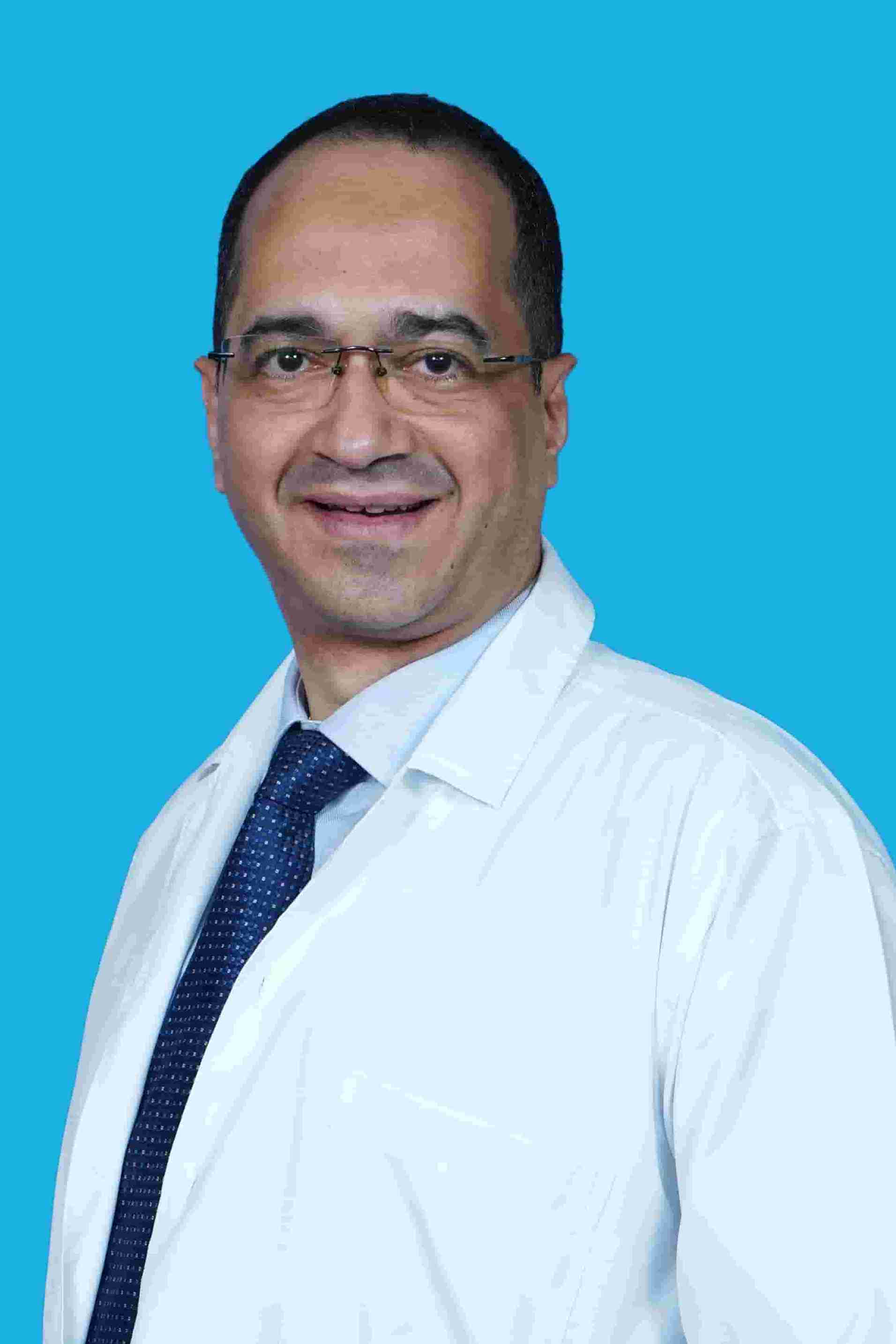

Dr Namrata Jasani
Senior Consultant
MBBS, MD Pulmonary Medicine, European Diploma in Respiratory Medicine

Frequently Asked Questions
Is VATS Lobectomy painful?
How long is the hospital stay after surgery?
Depending on their rate of recovery, most patients stay in the hospital for a few days.
Will I be able to breathe normally after the surgery?
With time, the remaining lung tissue adjusts, and most patients can breathe normally after they have recovered.
When can normal activities be resumed?
Light activities may be promptly resumed in a couple of weeks. It might take longer to recover fully.
Is VATS Lobectomy safe for older patients?
Age alone is not a barrier. General health and pulmonary functioning are more significant.

