






Most people do not find BAL painful, but some discomfort is common because of coughing during the test. The nose or throat is numbed beforehand to reduce irritation. Any discomfort usually settles soon after the procedure.
Table of Contents 
- Introduction
- What Is Bronchoalveolar Lavage (BAL)?
- Why Is Bronchoalveolar Lavage Done?
- Right Candidates for Bronchoalveolar Lavage
- Who May Not Be Suitable for BAL?
- Bronchoalveolar Lavage - BAL Procedure
- Risks and Complications of Bronchoalveolar Lavage
- Benefits of Bronchoalveolar Lavage
- Why Choose Gleneagles Hospitals for Bronchoalveolar Lavage?
- Conclusion
Introduction
Breathing issues or lung problems can sometimes persist in some people. Even after blood tests or imaging scans, doctors may find it challenging to diagnose the exact cause of a persisting lung issue. This is when doctors often suggest Bronchoalveolar Lavage (BAL), or Bronchoalveolar washing. It helps doctors understand the cause of infections, inflammation, or other lung-related conditions that cannot be diagnosed through imaging tests alone. The procedure requires experienced medical expertise.
What Is Bronchoalveolar Lavage (BAL)?
Bronchoalveolar lavage is performed during bronchoscopy. BAL is essentially a diagnostic procedure used to detect issues in the lower respiratory system.
Bronchoalveolar lavage (BAL), sometimes called bronchoalveolar washing, is a test doctors use to get a clearer picture of what is happening inside the lungs. During BAL, doctors carefully insert a thin, flexible tube through the nose or mouth into the airways. A small amount of sterile fluid is introduced into the airways through this tube. Using the tube, doctors then collect samples from the lungs for testing.
The sample helps doctors identify infections, including viral infections such as COVID-19, primarily when routine tests do not provide clear answers. BAL can also provide useful information in conditions such as interstitial lung disease, where lung inflammation or scarring requires closer evaluation. Doctors sometimes use the technique to remove mucus from the airways.
Why Is Bronchoalveolar Lavage Done?
BAL is usually considered when earlier tests do not fully explain lung-related symptoms. It is not a routine investigation and is used selectively, depending on what the doctor is trying to clarify.
Doctors may need to perform a bronchoalveolar lavage in certain situations where it becomes necessary:
If the patient has a long-standing cough without a clear cause.
- When imaging scans also do not reveal an apparent reason for persistent symptoms or breathing discomfort.
- When sputum tests have been done more than once and still do not give clear answers.
- Lung changes that have been visible on scans for a long time and need closer review
- Certain conditions, such as sarcoidosis, where routine tests do not explain the findings
- Lung problems linked to immune or allergic reactions that are not responding as expected.
- Repeated chest infections in patients with low or weakened immunity
- Follow-up checks after lung transplantation, especially when infection is suspected
Thick secretions in the airways that are difficult to clear with usual methods
Right Candidates for Bronchoalveolar Lavage
BAL is not advised for every person with respiratory complaints. The decision is made after reviewing symptoms, scan findings, and response to earlier treatment.
Patients who are often considered for BAL include:
People whose chest X-ray or CT scan continues to show changes over time
- Patients who have already tried treatment but are not getting the expected relief
- Lung inflammation that shows up on scans without a clear explanation
- Patients with reduced immunity for whom a lung infection is being considered
Situations where doctors need more clarity before deciding the next step
Your health matters – get expert advice today.
Who May Not Be Suitable for BAL?
Although Bronchoalveolar Lavage is generally considered safe, it may not be suitable in certain situations. Doctors may avoid or delay BAL in patients who:
Have severe breathing difficulty
- Have unstable heart conditions
- Have active bleeding disorders
Are medically unstable at the time of evaluation
In these cases, doctors may first stabilise the patient or choose another method of investigation.
Bronchoalveolar Lavage - BAL Procedure
A pulmonologist, with support from nursing and anaesthesia staff, performs BAL. At Gleneagles Hospitals, the procedure is performed in a controlled clinical setting with routine monitoring.
Before the test, the doctor explains why BAL has been suggested and what type of information it may help clarify. Patients are given time to ask questions so they know what to expect before the procedure begins.
Medical history, medications, and previous test reports are reviewed. Blood tests and imaging studies are usually checked beforehand.
Patients are commonly advised to:
Avoid eating or drinking for a few hours before the test
- Inform the doctor about blood thinners or long-term medicines
Avoid smoking before the procedure
Doctors at Gleneagles Hospitals ensure the patient is comfortable and fully informed of the procedure at every step.
During the Procedure
Local anaesthesia is used to numb the nose or throat. Some patients may also receive mild sedation, depending on their condition and comfort level.
- A bronchoscope is passed gently into the lungs. When the selected area is reached, saline is introduced and then suctioned back. This process may be repeated a few times to collect enough samples.
Coughing during the procedure is common. Some patients feel mild chest discomfort for a short time. The procedure usually takes around 20 to 30 minutes. Oxygen levels and heart rate are monitored throughout.
After Bronchoalveolar Lavage
After BAL, patients are observed for a short period. Eating and drinking are usually delayed until the numbness in the throat wears off.
Some commonly noticed effects include:
Mild sore throat
- Temporary cough
- Hoarseness of voice
Slight blood-streaked sputum in a few cases
These symptoms usually settle on their own within a day. Most patients are discharged the same day and can return to normal activities as advised.
The BAL sample is sent for laboratory analysis. Depending on the tests required, reports may take a few days.
Risks and Complications of Bronchoalveolar Lavage
Like any procedure involving the lungs, BAL can have a few temporary effects. At Gleneagles Hospitals, patients are monitored closely so that any changes are detected early.
Possible issues seen after BAL include:
A brief drop in oxygen levels during or shortly after the procedure
- Mild bleeding from the airways, which usually settles on its own
- Low-grade fever later in the day
Uncommon infection
Serious complications are rare. At Gleneagles Hospitals, monitoring continues both during and after the test to ensure any issues are managed promptly.
Benefits of Bronchoalveolar Lavage
BAL is mainly used to obtain clarity when routine investigations do not provide sufficient answers. BAL may be used to:
Look for infections that are not identified in sputum samples
- Review the type of lung inflammation seen on scans
- Hold off on starting medicines until the cause is clearer
Decide whether further tests are needed or not
At Gleneagles Hospitals, BAL is usually advised only after other standard tests have already been done.
Why Choose Gleneagles Hospitals for Bronchoalveolar Lavage?
Bronchoalveolar Lavage is performed at Gleneagles Hospitals, as part of routine pulmonary evaluation. The procedure is handled by pulmonologists who regularly manage diagnostic bronchoscopy.
Facilities available at the hospital include:
Dedicated bronchoscopy rooms with monitoring equipment
- Support from anaesthesia and nursing teams during the procedure
- On-site laboratory services for the timely processing of BAL samples
Observation and support after the test, based on the patient's condition
Patients are guided before the procedure and monitored afterwards, as part of standard clinical care at Gleneagles Hospitals.
Conclusion
Bronchoalveolar Lavage is considered when lung-related symptoms or scan findings remain unexplained after routine testing. The test allows examination of samples taken directly from the lungs and helps in further clinical decision-making. When performed in suitable patients, BAL is usually well tolerated. At Gleneagles Hospitals, doctors take time to review reports and the patient’s condition, and BAL is advised only when it is genuinely needed.
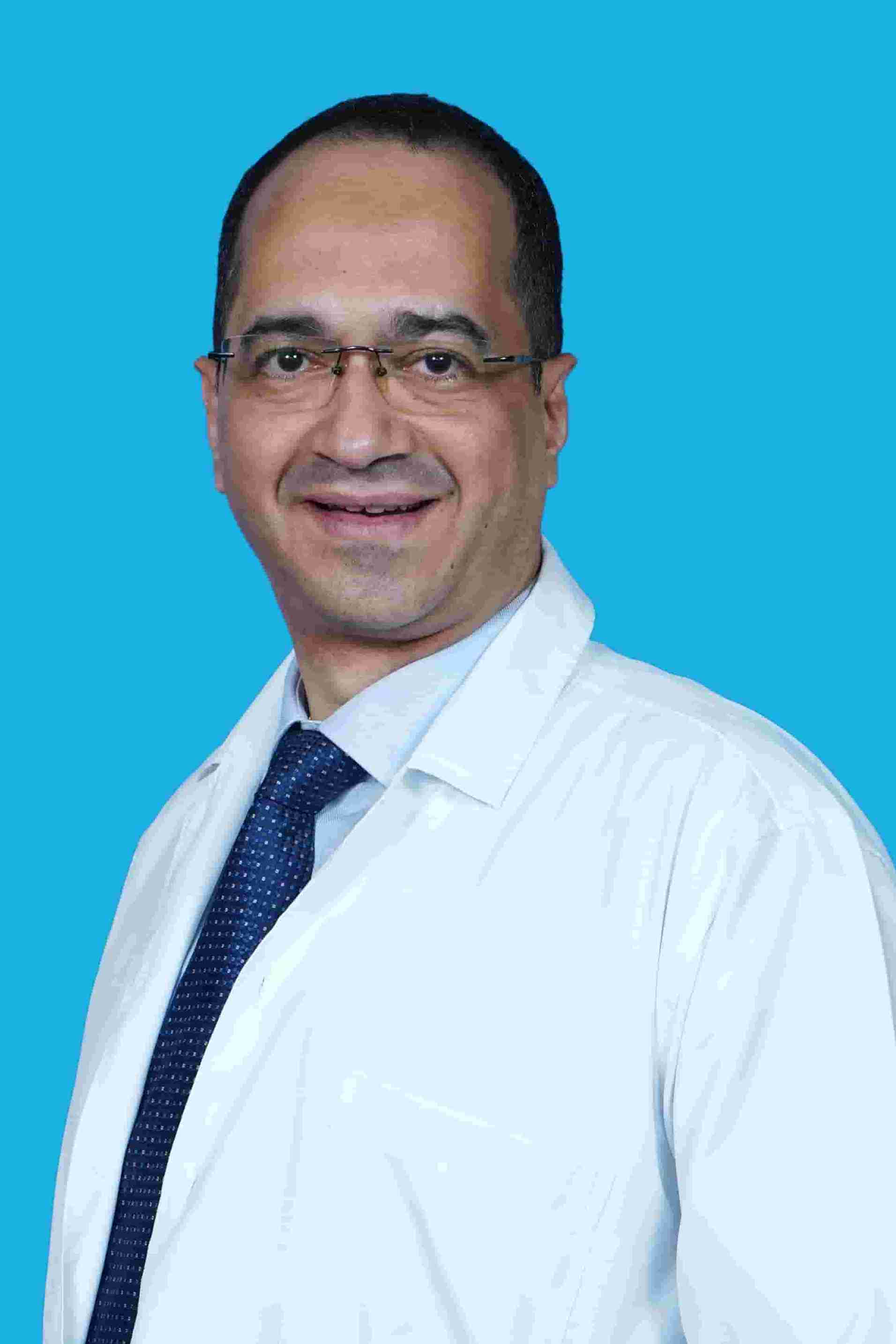

Dr Namrata Jasani
Senior Consultant
MBBS, MD Pulmonary Medicine, European Diploma in Respiratory Medicine

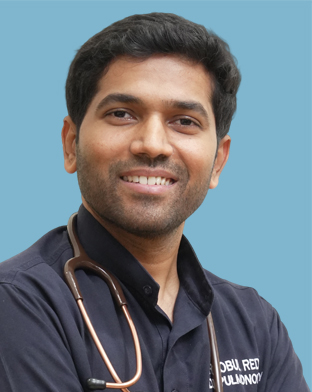
Dr Obul Reddy
Consultant Lung Transplant Physician
MBBS, MD ( Transplant Pulmonology) FICCM, EDARM(Switzerland)
Experience: 5 Years
Pulmonology, Interventional Pulmonology and Sleep Medicine
Hyderabad, Lakdi-Ka-Pul
Frequently Asked Questions
Is bronchoalveolar lavage painful?
How long does a BAL test usually take?
The procedure itself is relatively short and is usually completed within 20 to 30 minutes. After that, you may be asked to wait a while so the team can ensure you are feeling fine before you leave.
When will the BAL results be available?
BAL results usually do not come all at once. Some parts of the report are presented earlier, while others take longer, depending on which tests are being performed on the sample. Your doctor will usually tell you which results to wait for and when it would be best to review them.
Can BAL be done for tuberculosis or fungal infections?
Yes, it can be done in such cases. BAL is sometimes advised when tuberculosis or fungal infection is being considered, but earlier tests have not been helpful.
Will I need to stay in the hospital after BAL?
Most people do not need to stay in the hospital after BAL. Patients are usually kept under observation for some time, and if everything is fine, they are allowed to go home the same day. The doctor will let you know if any extra monitoring is needed.
Can children with acute asthma be advised BAL?
No. Children with acute asthma are usually not advised, as it is invasive and can worsen respiratory distress. BAL is typically recommended for specific diagnostic indications, rather than acute asthma management.
Why is bronchoalveolar lavage performed?
Bronchoalveolar lavage (BAL) is performed to collect fluid and cells from the lower respiratory tract for detailed laboratory analysis. It helps doctors evaluate infections, inflammation, bleeding, or suspected lung diseases when imaging alone is not enough for diagnosis.
How should I prepare for a BAL procedure?
Before a bronchoalveolar lavage, patients are usually advised to avoid food and drink for several hours. Doctors may review medications, especially blood thinners, and may ask for temporary adjustments. Pre-procedure tests are also done to ensure it is safe to proceed.
Can BAL help diagnose lung infections?
Yes, BAL is highly useful in diagnosing lung infections, including bacterial, viral, and fungal infections. It helps identify the exact organism causing the infection and guides targeted treatment, especially in complex or non-responsive cases.
Is sedation required during bronchoalveolar lavage?
Yes, mild sedation and local anesthesia are commonly used during bronchoalveolar lavage to reduce discomfort and suppress coughing. In some cases, it is performed during bronchoscopy under conscious sedation.
How soon are BAL test results available?
Initial results from BAL may be available within 24 to 48 hours, especially for basic cell counts and common infections. However, culture results for specific bacteria, fungi, or tuberculosis may take several days to a few weeks depending on the organism being tested.

